THE TEMPLAR SAGA – PART IV
Escape and Survival
What Happened to the Knights Templar After the Fall of the Order?
History & Stories
"An order can be dissolved. An idea cannot be arrested."
Vagabonds of the North
The End or a New Beginning?
In 1312, the Knights Templar officially ceased to exist.
The papal decree was signed.
The assets were redistributed.
The leaders were imprisoned or executed.
The case appeared closed.
Yet reality was far more complicated.
The Templars had operated across nearly all of Europe.
Thousands of members lived far beyond the reach of Paris.
Many surrendered.
Some retired.
Others simply adapted.
And a few may have vanished into history.
Portugal – The Smoothest Escape in History
Portugal offers perhaps the most remarkable chapter in the Templar story.
King Dinis of Portugal had little interest in destroying experienced warriors who had helped secure his kingdom’s borders.
Instead of persecuting them, he chose a practical solution.
He created a new order.
In 1319, the Order of Christ was established.
Officially, the Templars were gone.
Unofficially, much of their infrastructure remained intact.
The lands survived.
The fortresses survived.
The knowledge survived.
And many of the men survived as well.
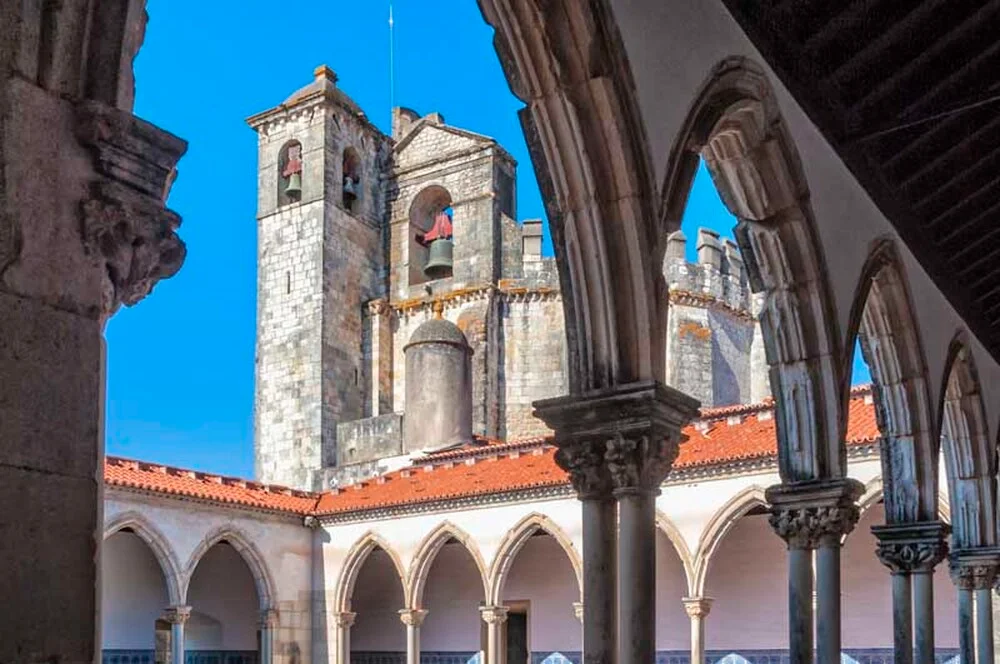
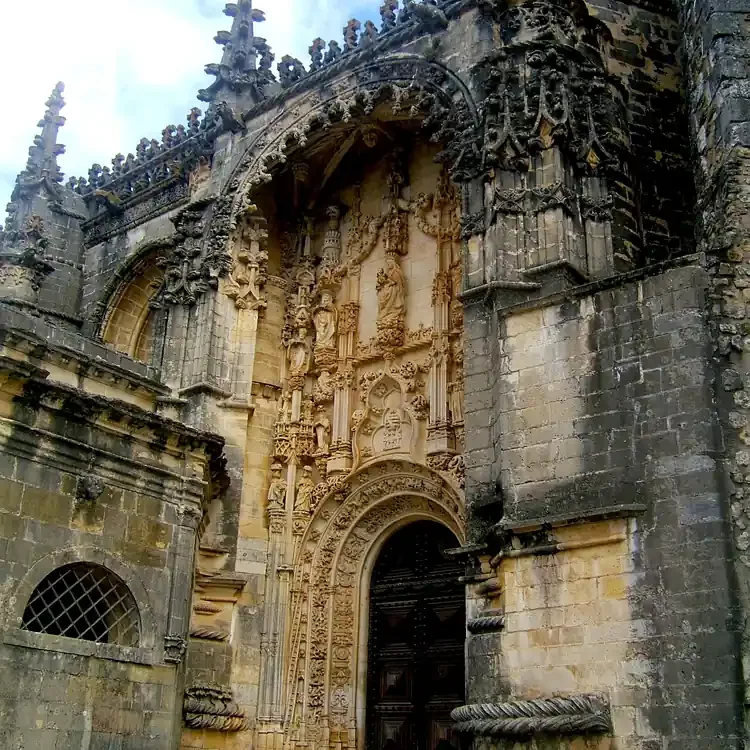
Tomar – A City That Remembers
At the heart of Portugal stands
one of the most important surviving Templar sites in Europe.
Its walls witnessed the rise of the Order, the collapse of its power, and the transformation into the Order of Christ.
Walking through Tomar today feels less like visiting a ruin and more like stepping into a living chapter of medieval history.
The names changed.
The buildings remained.
Spain and the New Military Orders
A similar process unfolded in Spain.
Following the suppression of the Templars, many former members joined existing military orders such as:
- Montesa
- Calatrava
- Alcántara
The white mantle with the red cross disappeared.
The military experience did not.
The frontier wars of the Reconquista still required skilled warriors.
Former Templars found new banners to serve beneath.
Scotland – Between History and Legend
If Portugal represents documented history, Scotland represents enduring legend.
According to popular tradition, some Templars escaped France and crossed the sea.
There they supposedly found protection among Scottish nobles.
Stories claim they carried:
- treasure,
- relics,
- archives,
- sacred knowledge.
Some legends even place them on the battlefield beside Robert the Bruce.
The evidence remains limited.
The fascination remains immense.
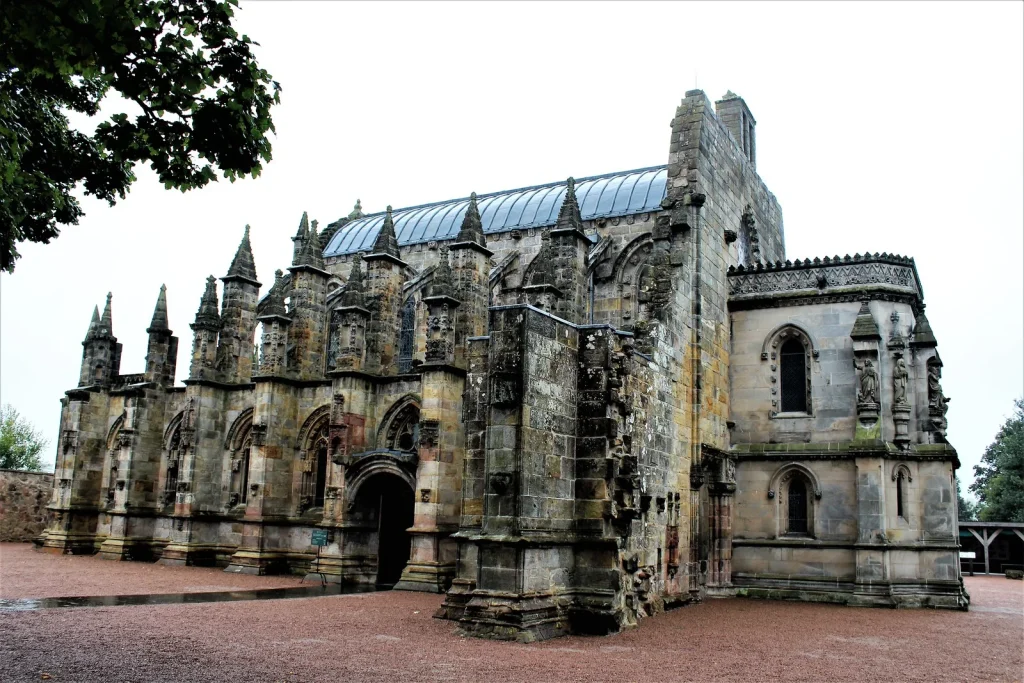
Rosslyn Chapel
Few places are more closely associated with Templar legends than
Its extraordinary stone carvings have inspired generations of speculation.
Some visitors see hidden messages.
Others search for connections to the Holy Grail.
Historians generally urge caution.
Yet Rosslyn remains one of the most captivating medieval sites in Europe.
Cyprus – The Last Eastern Stronghold
After the fall of Acre in 1291, Cyprus became a crucial refuge for the Order.
The island served as a strategic base while the Templars searched for ways to recover their position in the Eastern Mediterranean.
They never succeeded.
In the end, political enemies in Europe proved more dangerous than military opponents in the Holy Land.
Philip IV’s Greatest Failure
King Philip IV achieved nearly everything he wanted.
He destroyed the Order.
He seized its wealth.
He eliminated powerful rivals.
Yet he failed in one important respect.
He could not erase memory.
Had he succeeded, we would not still be discussing the Templars more than seven centuries later.
The Vagabonds’ Perspective
This is where the story becomes truly interesting.
Not because of hidden treasure.
Not because of secret relics.
But because traces of the Templars remain scattered across Europe.
Castles.
Churches.
Ruins.
Forgotten cemeteries.
Places like Kilwirra.
Places like Rosslyn.
Places like Tomar.
Locations that seem insignificant until someone begins asking questions.
Did the Templars Really Survive?
If survival means a secret organisation operating continuously for seven hundred years, the answer is probably no.
If survival means ideas, traditions, symbols and collective memory, the answer is very different.
In that sense, the Templars survived extraordinarily well.
Perhaps better than their enemies could ever have imagined.
Conclusion
In 1312, Europe declared the death of the Knights Templar.
History had other plans.
The destruction of the Order became the birth of a legend.
And legends often outlive kingdoms.
"Some orders die with their knights. Others begin their second life."
Vagabonds of the North
Coming Next: Part V
The Legacy of the Templars
Banking.
Symbols.
Mysteries.
Popular culture.
And the answer to one final question:
Why do the Knights Templar still capture the imagination of the modern world more than seven centuries after their fall?