When Two Worlds Collided

Gdy dwa światy się spotkały

“It wasn’t just a meeting of two worlds. It was the moment one world began to disappear.”

There are moments in history that don’t just change the course of events.

They erase entire worlds.

The arrival of the Spanish in the Americas was one of those moments.

When Europeans first set foot on lands inhabited by the Maya, Aztecs and countless other civilizations, they didn’t realize what they were about to unleash.

And neither did the people who welcomed them.

The First Contact

At first, it didn’t look like conquest.

It looked like curiosity.

Strangers arrived from the sea:

  • wearing metal armor
  • riding animals no one had seen before
  • carrying weapons that thundered

For many indigenous peoples, this was not immediately war.

It was confusion.

Who were these men?
Gods?
Traders?
Enemies?

In some places, they were welcomed.

In others, they were watched carefully.

But almost everywhere, they were underestimated.

“This was not just a war. It was a collision between worlds that had never met before.”

The Advantage of Steel and Fear

The Spanish didn’t arrive with massive armies.

They arrived with something else:

  • steel weapons
  • horses
  • firearms
  • and experience in conquest

Against them stood civilizations that had:

  • stone weapons
  • no cavalry
  • no knowledge of gunpowder

But even that was not the decisive factor.

The true weapon was something invisible.

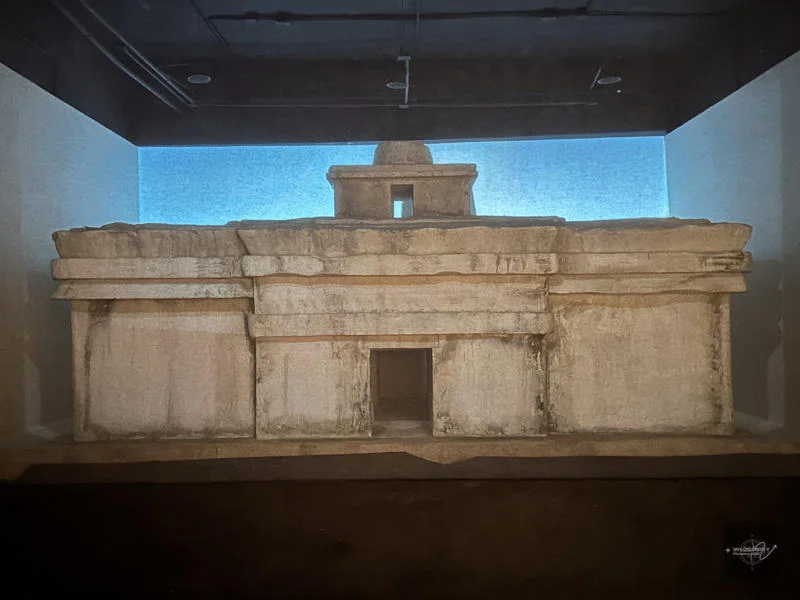
Cozumel Museo de Cozumel

The Invisible Enemy

“The Spanish brought steel and horses. But those were not the weapons that won.”

Disease.

Smallpox, measles, influenza.

Illnesses that had existed in Europe for centuries.

But in the Americas, they were completely unknown.

When they arrived, they spread faster than any army.

Entire cities fell silent.

Entire populations disappeared.

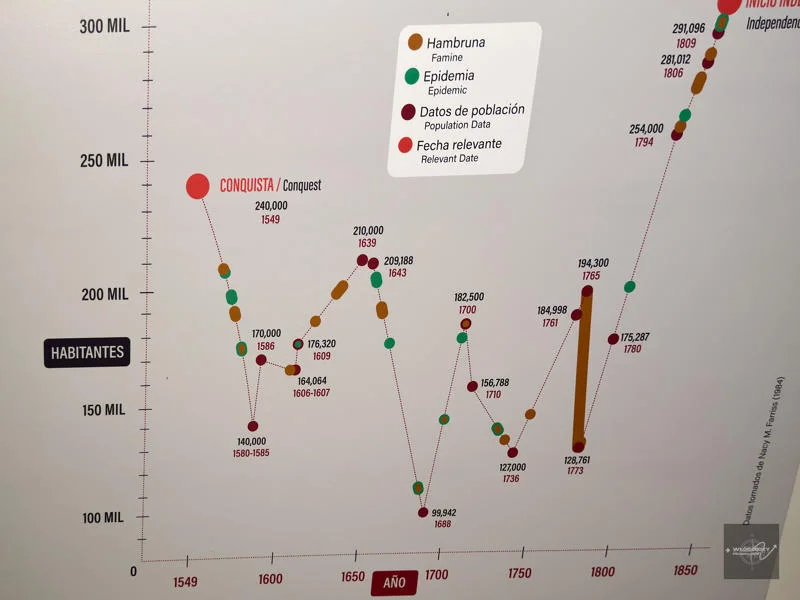
Historians estimate that in some regions, up to 90% of the population died within decades.

The conquest was not only military.

It was biological.

The Fall of Great Civilizations

Without armies, without leaders, without stability, even the greatest civilizations began to collapse.

Cities were abandoned.

Temples fell into silence.

Trade networks disappeared.

The Maya world, already fragmented into city-states, could not resist a force like this.

Not because they were weak.

But because they were facing something no one could fight.

A Clash of Beliefs

“The most powerful weapon of the conquest was not the sword. It was disease.”

This was not only a clash of armies.

It was a clash of worlds.

On one side:

  • gods of the sky, the sun and the underworld
  • rituals, astronomy, sacred cycles

On the other:

  • a single God
  • a different vision of the universe
  • a mission to convert and control

For the Spanish, this was conquest.

For the people of the Americas, it was the end of a world they had known for centuries.

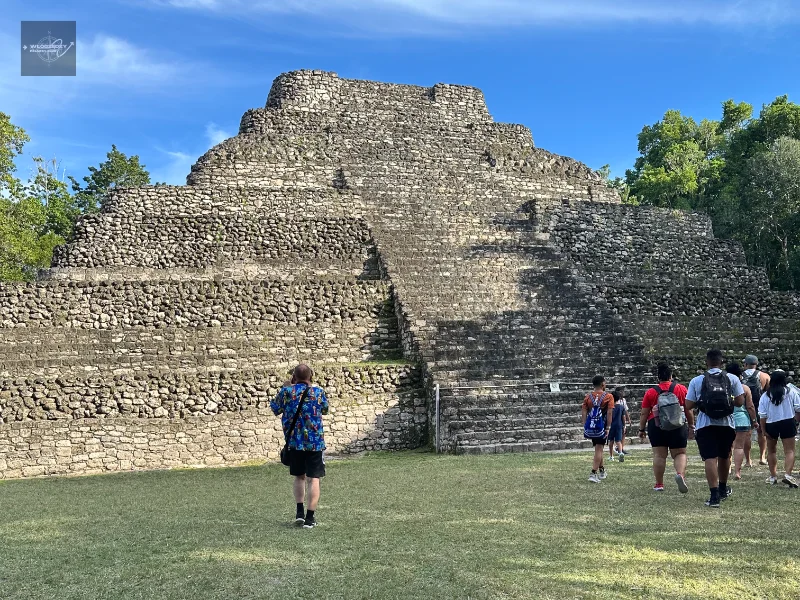
Chacchoben pyramid main structure under blue sky

What Remained

And yet…

Not everything disappeared.

The people remained.

Their descendants are still there.

Their languages survived.

Their traditions still exist.

And the ruins…

They stand as silent witnesses.

Walking Through the Past

Today, when you walk through places like Chacchoben, you don’t just see stones.

You see a memory.

A memory of a world that once thrived.

A world that might have taken a completely different path.

“Some civilizations do not fall in battle. They simply disappear.”

Closing

Because history is not always about what happened.

Sometimes, it’s about what could have happened.

And that is a story we will tell next.

👉 Epilogue: What If the Maya Had Survived

A graph showing the island's population over the centuries

Fascinating Facts About the Spanish Conquest

1️⃣ The Spanish Were Few in Number

Hernán Cortés conquered the Aztec Empire with only a few hundred men.

Numbers alone do not explain the outcome.


2️⃣ Indigenous Alliances Played a Key Role

Many native groups allied with the Spanish.

They used the newcomers to defeat their long-time rivals.


3️⃣ Disease Spread Faster Than Armies

Smallpox and other diseases reached cities before soldiers did.

Entire regions collapsed before battles even began.


4️⃣ Horses Were a Psychological Weapon

For many indigenous people, horse and rider appeared as a single creature.

This created fear and confusion.


5️⃣ Some Cities Were Already Abandoned

By the time Europeans arrived, some major centers had already declined.

The collapse had begun before conquest was complete.

Discover with us:

Share
Vagabonds of the North
Privacy Overview

This website uses cookies so that we can provide you with the best user experience possible. Cookie information is stored in your browser and performs functions such as recognising you when you return to our website and helping our team to understand which sections of the website you find most interesting and useful.