
Battle of the Boyne
Why Does a War from 1690 Still Matter?
If you visit Northern Ireland in July, you will quickly notice that something unusual is happening.
Flags appear across towns and villages. Giant bonfire structures begin to rise. The sound of drums can be heard in the distance, and conversations often return to events that took place more than three centuries ago.
For many visitors, this can be difficult to understand.
How can a battle fought in 1690 still influence life in Northern Ireland today?
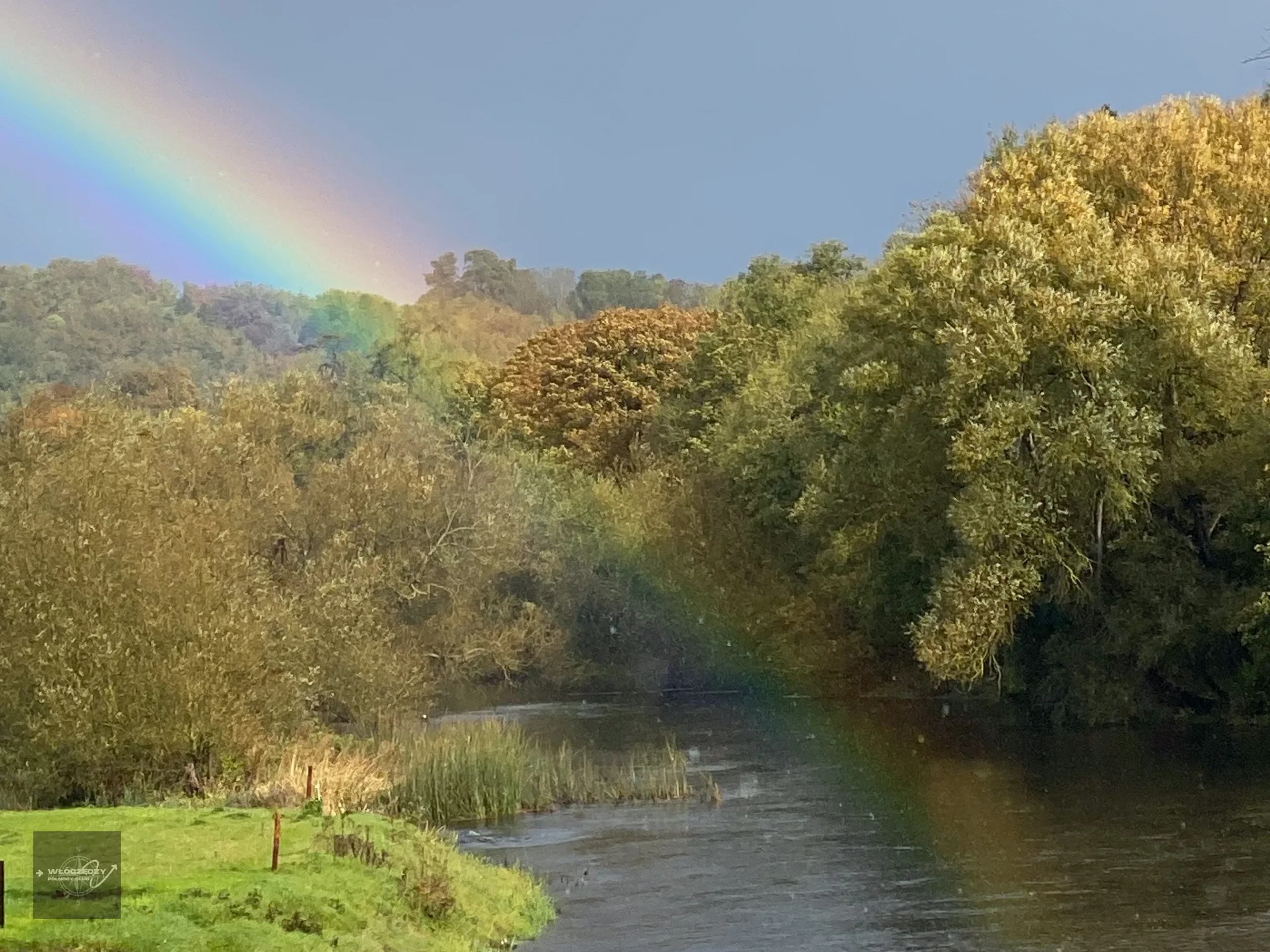
To answer that question, we need to travel to the banks of the River Boyne.
A War Between Two Kings
At the end of the seventeenth century, England, Scotland and Ireland found themselves at the centre of a major political and religious conflict.
On one side stood King James II, a Catholic monarch who had been removed from the throne during what became known as the Glorious Revolution.
On the other stood William of Orange, the Protestant ruler invited to take the English crown.
The conflict was about far more than religion.
It was a struggle for power, influence and control of the kingdoms that made up the British Isles.
Ireland became one of the main battlegrounds in that struggle.
The Battle on the Boyne
On 1 July 1690 according to the Julian calendar, or 11 July in today’s Gregorian calendar, the armies of William and James met near Drogheda on the banks of the River Boyne.
The battle lasted only a single day.
It was not the largest battle of its era.
Nor did it immediately end the wider war.
Yet it would become one of the most famous events in Irish history.
More importantly, it would leave a legacy that is still visible today.
Why This Battle?
History can be surprising.
The battles that people remember are not always the biggest or bloodiest.
Sometimes a battle becomes important because of what it comes to represent.
For many unionists, William’s victory symbolises the defence of Protestant traditions and the continuation of the connection with the British Crown.
For many Irish nationalists and republicans, the same event represents the beginning of a period that eventually led to Protestant political dominance in Ireland.
One battle.
Two very different historical memories.
And that difference remains visible more than three centuries later.
Why Does It Matter Today?
Because in Northern Ireland, history rarely stays inside museums.
It can be found on murals, in commemorations, during parades and within local traditions.
Every July, thousands of people take part in events connected to the memory of William’s victory at the Boyne.
For some, these celebrations are an important expression of cultural identity and heritage.
For others, they remain controversial reminders of a divided past.
Whether people celebrate, criticise or simply observe these events, one thing is certain:
It is difficult to understand modern Northern Ireland without understanding the significance of the Battle of the Boyne.
This Is Only the Beginning
In the next chapters of History of Ireland Without the Headache, we will take a closer look at:
- William of Orange and King James II,
- what actually happened during the battle,
- the origins of the Orange Order,
- the history and meaning of the July parades,
- the tradition of bonfires,
- and why events from 1690 continue to spark debate in the twenty-first century.
Because armies fought beside the Boyne for only one day.
The memory of that battle, however, has lasted for more than three hundred years.
And in many ways, its story is still being written.
Discover with us: