BATTLE OF THE BOYNE EXPLAINED
Part IV – From the Boyne to The Twelfth
Introduction
For most people across Europe, 12 July is just another summer day.
In Northern Ireland, it is something very different.
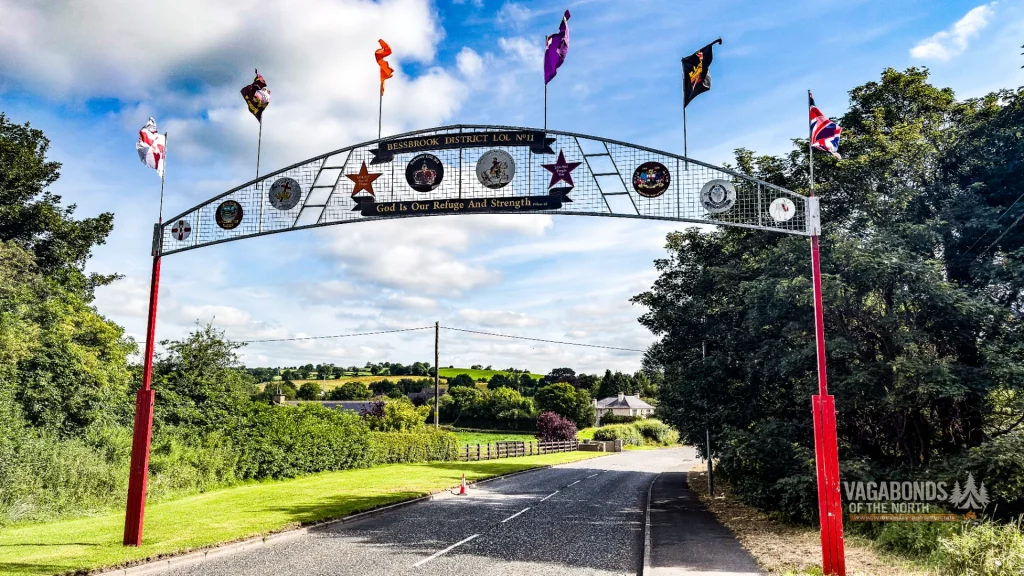
Weeks before the date arrives, flags begin to appear along roads and in housing estates. Huge bonfire structures rise from stacks of wooden pallets. Marching bands rehearse their music, while communities prepare for one of the most distinctive annual events on the island of Ireland.
The day is simply known as The Twelfth.
But how did a battle fought in 1690 become such an important part of modern Northern Ireland?
From Battle to Memory
The Battle of the Boyne lasted only a single day.
Its memory has lasted for more than three centuries.
After the war came the Treaty of Limerick, the Flight of the Wild Geese and the era known as the Protestant Ascendancy. In 1795, the Orange Order was founded and adopted the victory of William III as one of its defining historical symbols.
Over time, the memory of the Boyne became larger than the battle itself.
Fewer people remembered the details of the military campaign.
More people remembered the story.
That story eventually evolved into the traditions associated with The Twelfth.
What Is The Twelfth?
The Twelfth refers to the annual celebrations held on 12 July, primarily within the Protestant and unionist community.
The day commemorates the victory of William III over James II and the historical legacy associated with that event.
For some people, it is first and foremost a family occasion.
For others, it is a celebration of cultural heritage and identity.
Like many aspects of Northern Irish society, its meaning can vary depending on who is asked.
The Parades
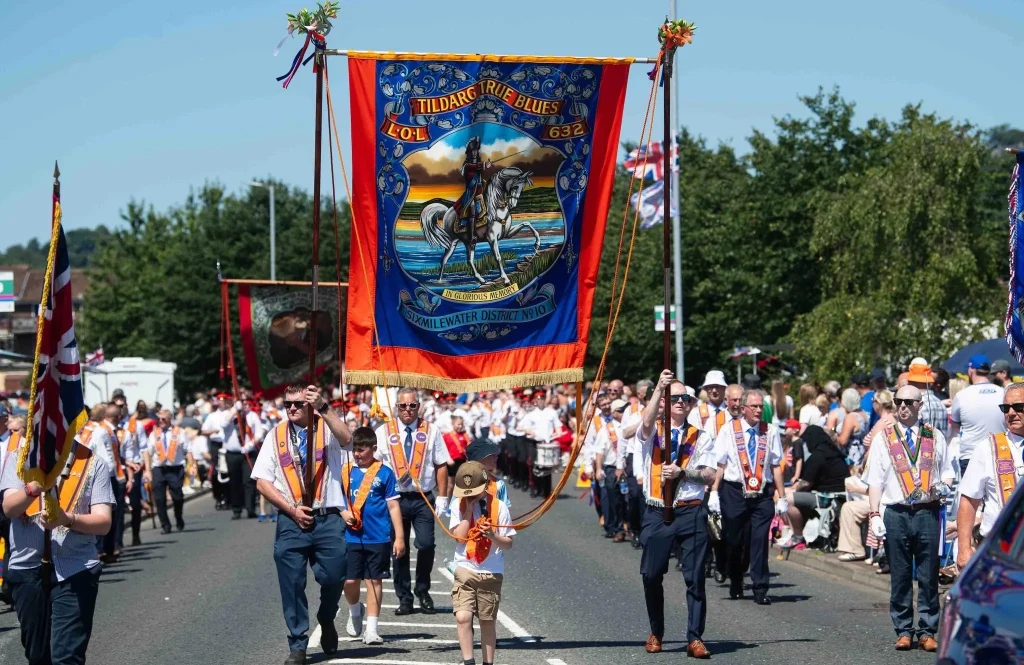
The most visible part of The Twelfth is the series of parades organised by the Orange Order and accompanied by marching bands.
For first-time visitors, the scale can be surprising.
Thousands of participants.
Hundreds of musicians.
Dozens of banners and lodge standards.
Yet there is another side to these events.
Families gather along parade routes. Folding chairs appear on pavements. Flasks of tea are unpacked. Friends and neighbours meet and talk.
For many people, the day is as much a social tradition as a historical commemoration.
Bonfires
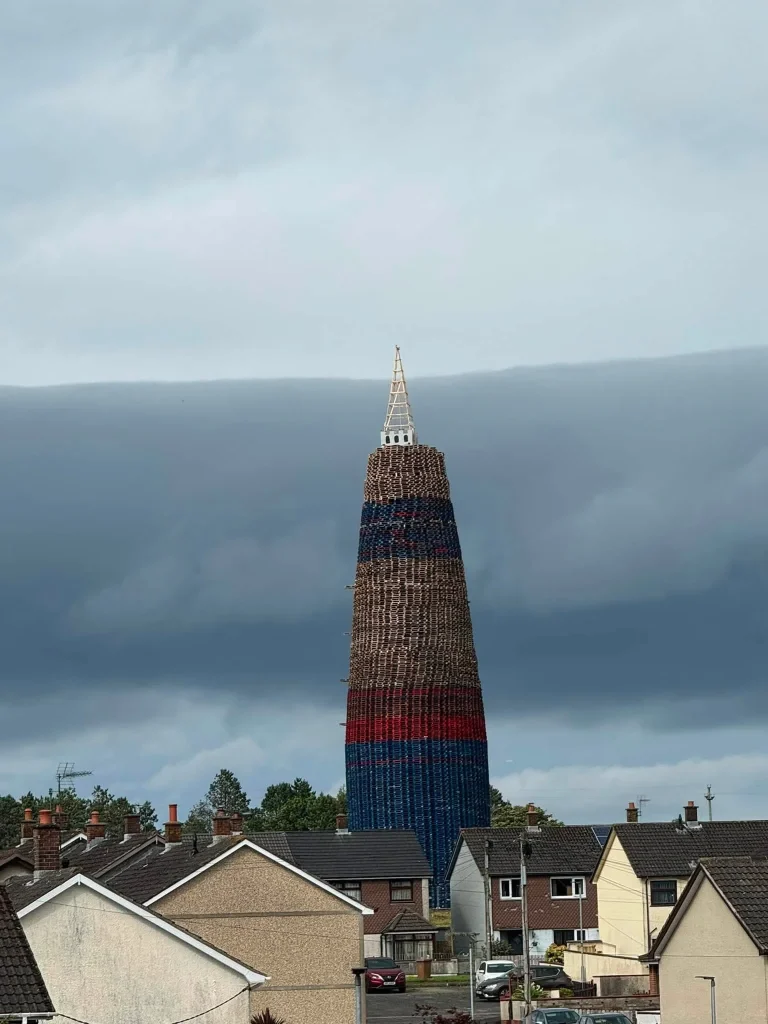
If the parades are the most visible part of The Twelfth, the bonfires are often the most distinctive.
In the weeks leading up to 12 July, enormous structures built from wooden pallets appear across many towns and villages.
Some grow to remarkable heights and become temporary landmarks.
Constructing them requires hundreds of hours of work and the involvement of local volunteers.
At the same time, bonfires remain one of the most controversial aspects of the celebrations.
Questions are often raised about safety, environmental concerns and the use of political symbols.
For supporters, they are an important local tradition.
For critics, they are a source of controversy.
Both views exist within modern Northern Ireland.
What Does a Vagabond See?
Having lived in County Armagh for several years, we have the opportunity to observe these preparations not as visitors, but as residents.
We see bonfires growing week after week.
We see flags appearing along local roads.
We see people spending evenings and weekends helping with preparations.
We also see something that rarely appears in newspaper headlines.
Everyday life.
Neighbours chatting over garden fences.
Children cycling around open spaces.
People simply preparing for an event that has been part of their community for generations.
That does not mean everyone views The Twelfth in the same way.
It does mean that reality is usually more complex than social media arguments suggest.
Does the Boyne Still Matter?
Yes.
But perhaps not in the way many people imagine.
Most participants are not focused on the minute-by-minute details of a battle fought in 1690.
What matters more is the memory passed down through families, communities and traditions.
That memory is what keeps the story alive.
And it is why an event that took place more than three centuries ago still remains part of everyday life for many people in Northern Ireland.
Campfire Reflections 🔥
The Battle of the Boyne lasted a single day.
Its memory has lasted for more than three hundred years.
Kings changed.
Borders changed.
Governments changed.
Generations came and went.
Yet the story remained.
Regardless of politics or personal opinion, few historical events continue to shape identity, tradition and public life as strongly as the battle fought on the banks of the River Boyne in 1690.
Discover with us: