
THE TEMPLAR SAGA – PART V
The Legacy of the Knights Templar

Why Are We Still Talking About Them After Seven Hundred Years?
"Some stories end when their heroes die. Others begin a life of their own."
Vagabonds of the North
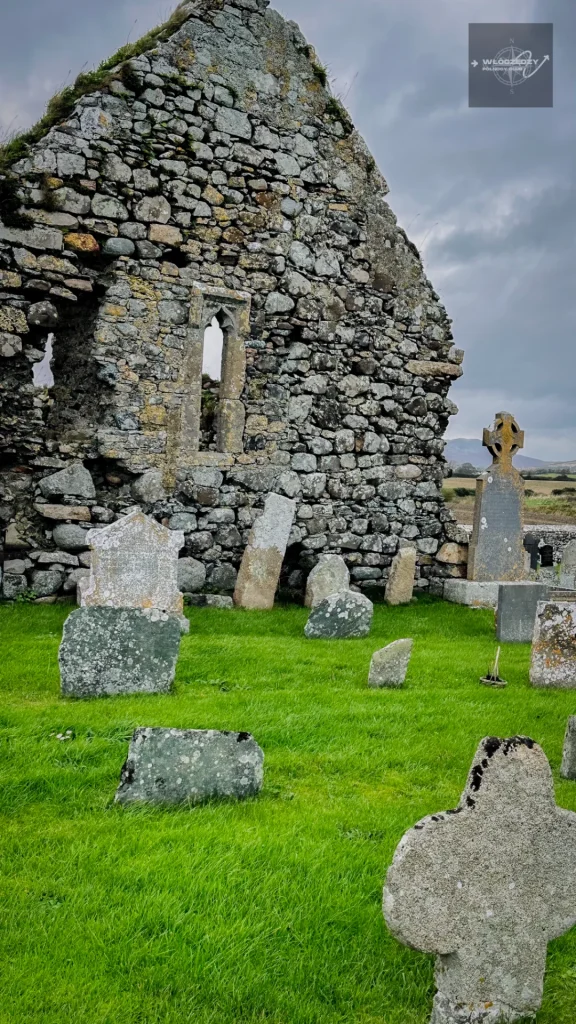
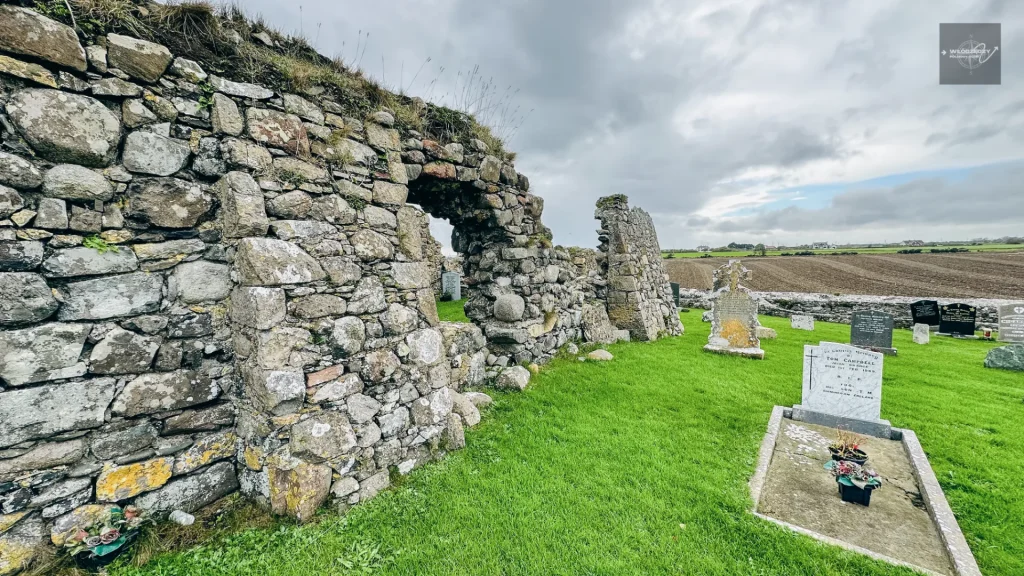
Returning to Kilwirra
Before we go any further, let us return to where this journey began.
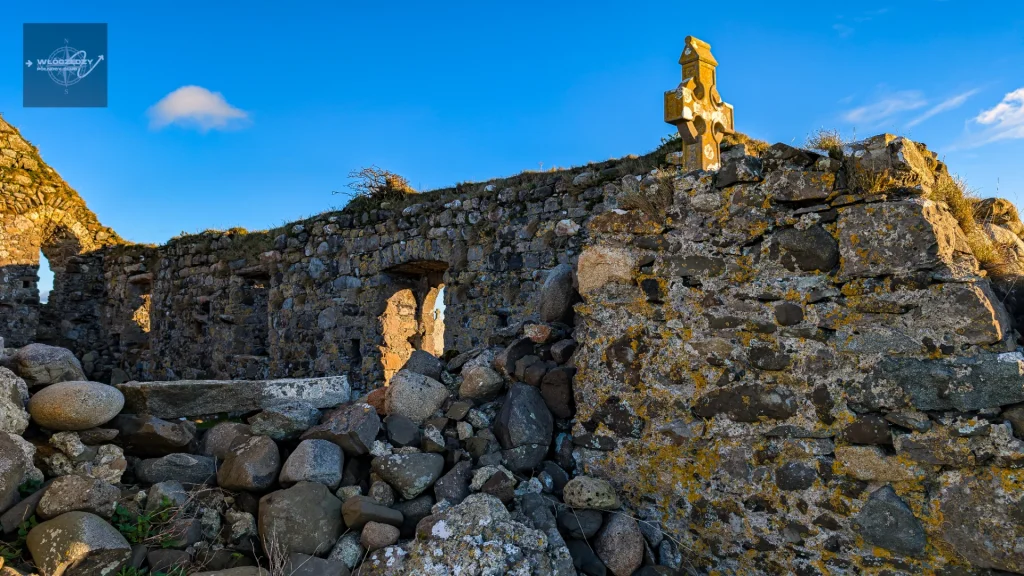
To the ruins of a small church standing quietly among the green fields of the Cooley Peninsula.
To Kilwirra Church Ruins.
The stones remain.
The wind still blows across the fields.
The birds care little about history.
And yet something compels us to stop.
To take a photograph.
To look at an old wall.
To ask questions.
Suddenly, a simple day trip becomes a journey across seven centuries.
Perhaps this is the true legacy of the Templars.
Not gold.
Not treasure.
Not the Holy Grail.
Curiosity.
Europe’s Early Financial Innovators
The modern world celebrates innovation.
Yet many ideas we consider modern have surprisingly old roots.
The Templars created one of the earliest international financial networks in medieval Europe.
A pilgrim could deposit money in one region and retrieve its equivalent value thousands of kilometres away.
Without carrying a fortune through dangerous territory.
The concept feels remarkably familiar.
That is why many historians describe the Templars as pioneers of European banking.
A Symbol That Survived the Centuries
Few medieval organisations left behind symbols as recognisable as those of the Knights Templar.
The white mantle.
The red cross.
The image of two knights sharing a horse.
Even today these symbols appear in:
- books,
- films,
- video games,
- museums,
- historical reenactments.
Millions of people recognise the Templar cross instantly.
That is an extraordinary achievement for an organisation that ceased to exist more than seven hundred years ago.
The Templars and Popular Culture
If the medieval knights could see the twenty-first century, they would probably be astonished.
Their story has become part of global culture.
Adventure novels.
Historical dramas.
Video games.
Documentaries.
Mystery thrillers.
Some portray them as heroes.
Others as guardians of secrets.
Still others place them at the centre of vast conspiracies.
Reality is more complicated.
And therefore far more interesting.
Why Them?
History is filled with powerful kings, military orders and famous warriors.
Why do the Templars stand apart?
Perhaps because their story lacks a neat ending.
We do not know everything.
Some questions remain unanswered.
Some mysteries remain unresolved.
And the human mind has always struggled to leave empty spaces unfilled.
That is where legends are born.
The Greatest Treasure
Throughout this saga, one question has followed us.
Where is the treasure?
Did it reach Scotland?
Was it hidden in Portugal?
Did it vanish forever?
Perhaps we have been searching in the wrong place.
The greatest treasure of the Templars may not have been gold at all.
It may have been knowledge.
Organisation.
Experience.
The ability to connect people across borders and cultures.
The kind of legacy no king could confiscate.
A Story That Refuses to Die
Philip IV could destroy the Order.
The Pope could dissolve it.
Historians could analyse every surviving document.
Yet none of them could end the story.
And that is fortunate.
Because it gives us a reason to keep exploring.
To keep travelling.
To keep asking questions.
The Vagabonds’ Perspective
This saga did not begin with a grand plan.
It began with a journey.
A few photographs.
A ruined church.
A short stop during a drive around the Cooley Peninsula.
Nothing more.
Then came one question.
Then another.
Then another.
And eventually a story emerged.
Not in a university library.
Not in a royal archive.
But through travel.
Exactly where many of the best stories begin.
From Kilwirra to Jerusalem
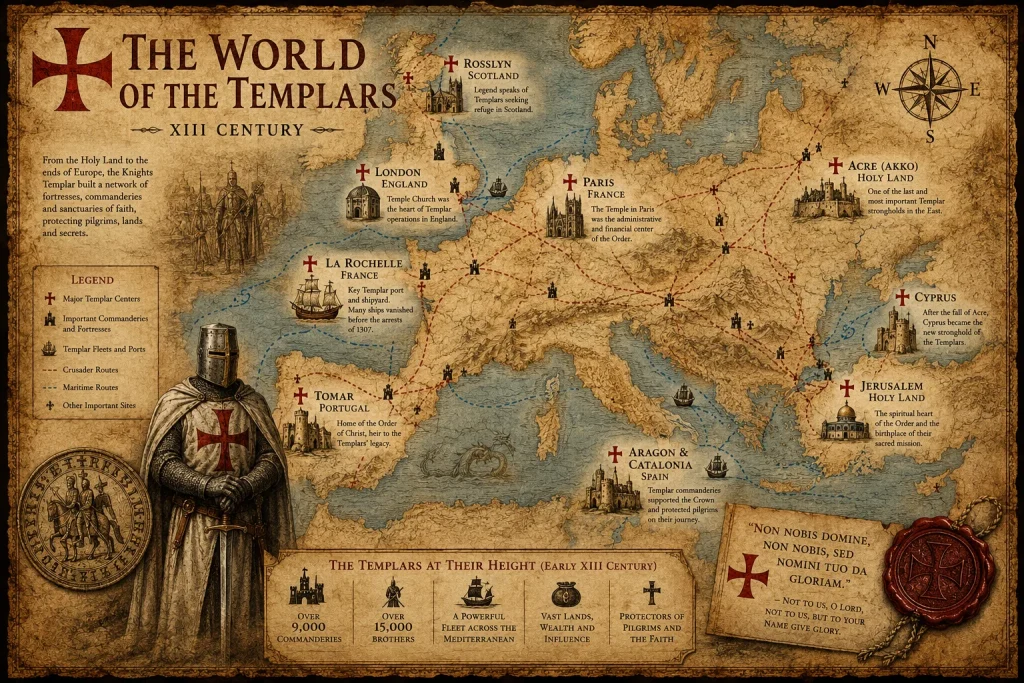
This journey began in Ireland.
It took us to France.
To Portugal.
To Scotland.
To Cyprus.
And to Jerusalem.
Now it brings us home again.
Because that is the nature of every journey.
The destination is never the most important part.
What matters is that we return changed.
Conclusion
The Templars disappeared.
Their fortresses fell silent.
Their banners vanished from the wind.
Yet their story survived.
Not because it was the largest.
Not because it was the most important.
But because it continues to inspire curiosity.
And history always begins with curiosity.
With a traveller standing before an old wall and asking:
“Who stood here before me?”
"We did not inherit the world from our ancestors. We inherited their stories. Our task is to keep telling them."
Vagabonds of the North
Epilogue
Seven hundred years ago, men in white mantles travelled the roads of Europe and the Holy Land.
Today those same roads carry cars instead of horses.
Yet the purpose remains remarkably similar.
To explore.
To learn.
To understand.
That is why the story of the Knights Templar did not end in 1312.
It continues.
In Tomar.
In Rosslyn.
In Jerusalem.
And sometimes…
in the ruins of a small church on the Cooley Peninsula.
⚔️🍀📜