
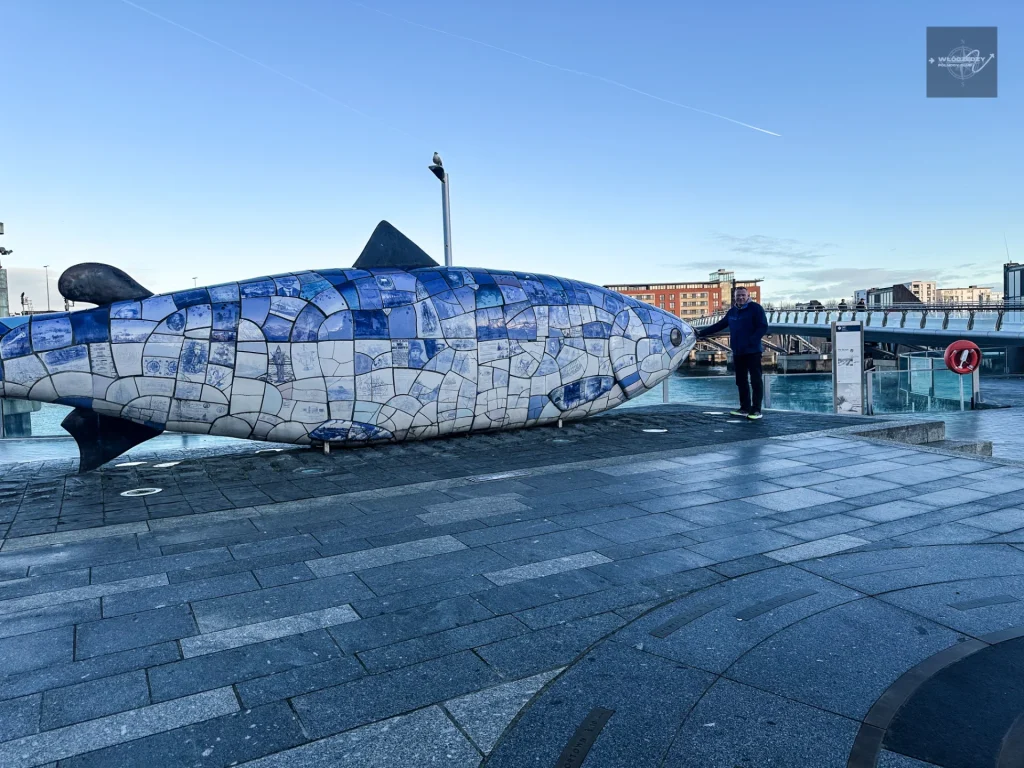
Belfast – The City That Built Titanic
Belfast is a city of contrasts. On one hand, it is the vibrant capital of Northern Ireland, filled with culture, music, and modern attractions. On the other, it is a city shaped by centuries of history, industry, and conflict. It was here that the RMS Titanic was built, where the linen industry flourished, and where events that became known as The Troubles left a lasting mark on both the city and its people.
Belfast received its town charter in 1613 and grew rapidly thanks to its location on the River Lagan and access to the sea. By the nineteenth century, it had become the world’s leading centre for linen production, while its shipyards built vessels for destinations across the globe. At its peak, the famous Harland & Wolff shipyard was responsible for a significant share of Britain’s shipbuilding industry, producing what would become its most famous creation – the Titanic.
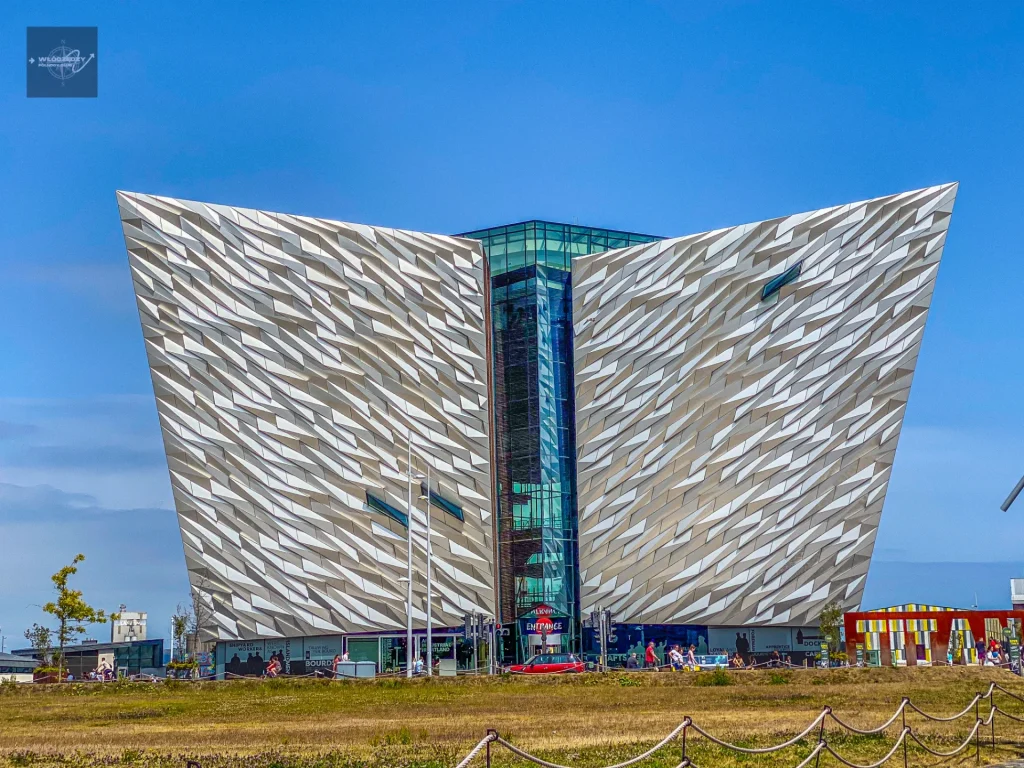
Titanic Quarter – Where a Legend Was Born
For many visitors, Belfast and Titanic are inseparable.
The centrepiece of the city’s waterfront regeneration is Titanic Belfast, an award-winning museum that tells the story of the ship’s design, construction, maiden voyage, and tragic fate. Its striking architecture, inspired by the bows of four ships, has become one of Belfast’s most recognisable landmarks.
Just a short walk away stands the historic SS Nomadic, the last surviving vessel of the White Star Line and the only remaining ship directly connected to Titanic. For maritime enthusiasts, it is an absolute must-see.
Visitors can also admire the iconic Samson and Goliath cranes, towering over the former shipyard and serving as reminders of Belfast’s industrial heritage.
Belfast Harbour and Waterfront
For more than three centuries, Belfast Harbour has been the economic heart of the city. Today, it remains one of the busiest ports on the island of Ireland, handling both cargo and passenger traffic.
The redeveloped waterfront along the River Lagan has become one of Belfast’s most pleasant areas for walking and sightseeing. Here, visitors can see how a former industrial dockland has been transformed into a modern riverside district while still retaining its maritime character.
Europa Hotel – The Most Bombed Hotel in Europe
One of Belfast’s most famous buildings is the Europa Hotel.
During the years of The Troubles, the hotel was targeted by numerous bomb attacks and earned the nickname “The Most Bombed Hotel in Europe.” Despite its turbulent past, the Europa became a symbol of resilience and determination.
Today, it is one of Belfast’s premier hotels and a favourite destination for politicians, journalists, celebrities, and visitors from around the world.
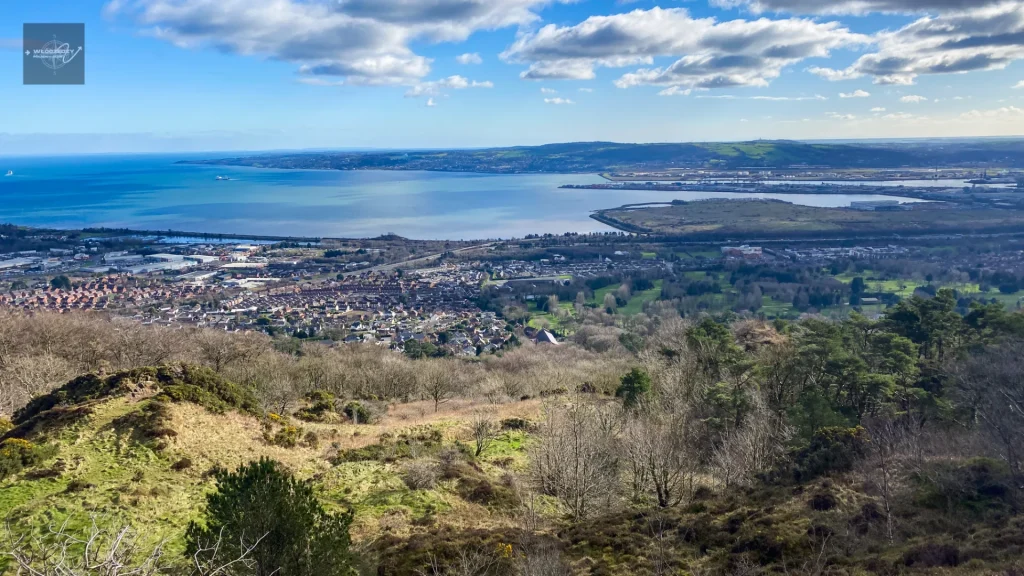
Belfast Castle and Cave Hill
Overlooking the city from the northern slopes is the beautiful Belfast Castle.
The castle itself offers elegant gardens and stunning views, but many visitors continue further into Cave Hill Country Park, one of Belfast’s most scenic natural areas.
From the hilltop trails, panoramic views stretch across Belfast, Belfast Lough, County Down, and County Antrim. Local tradition suggests that the distinctive profile of Cave Hill inspired Jonathan Swift when creating the sleeping giant featured in Gulliver’s Travels.
(We’ll explore Cave Hill in much greater detail in a dedicated article.)
Belfast's Parks and Gardens
Although Belfast is often associated with industry and shipbuilding, it is also one of the greenest cities on the island.
The most famous green space is Botanic Gardens, home to the historic Palm House and the beautifully restored Tropical Ravine.
Another popular destination is Ormeau Park, the city’s oldest municipal park and a favourite spot for locals.
Nature lovers can also explore Victoria Park, Belfast Waterworks, Colin Glen Forest Park, Divis Mountain, and the many walking trails surrounding the city.
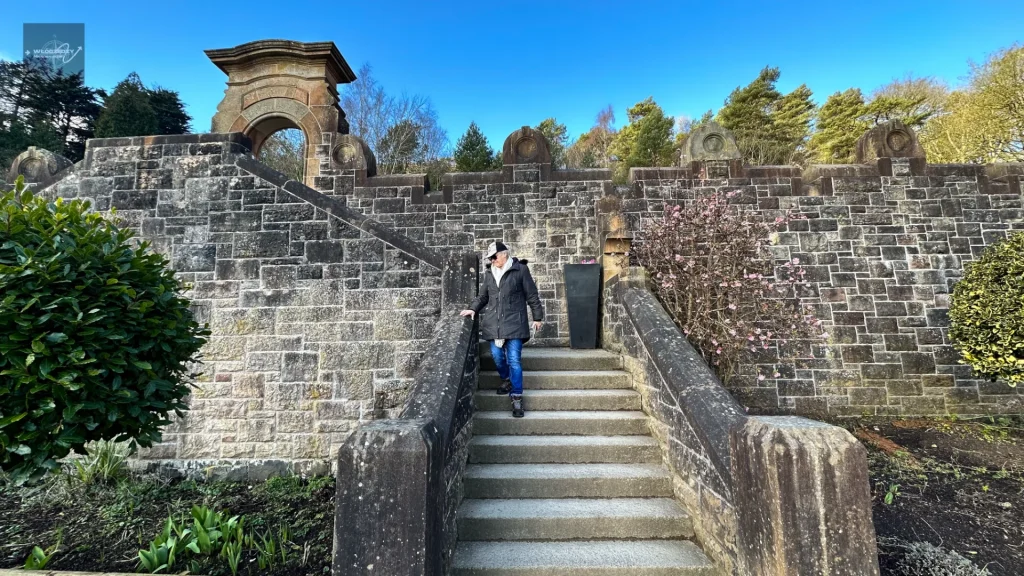
Why Visit Belfast?
Few cities combine maritime history, industrial heritage, political history, green spaces, castles, and coastal scenery quite like Belfast.
It is not a destination that can be fully experienced in a single day. Belfast rewards those who take the time to explore beyond the obvious attractions, discovering stories hidden among shipyard cranes, historic streets, waterfront promenades, and the hills that surround the city.
🍀 Vagabond Tip
Most visitors stop at Titanic Belfast and the famous political murals. The real magic of Belfast often begins where the guidebooks end—along the coastal paths of Helen’s Bay, in Bangor Marina, on the slopes of Cave Hill, and inside the small cafés hidden among the city’s Victorian streets.
And that’s exactly where our Ring of Belfast adventure begins.