Discover Texas with us
| Dallas | Houston | Galveston |
Dallas Museum of Art | Dallas World Aquarium | The Sixth Floor Museum | Dallas Arboretum and Botanical Garden
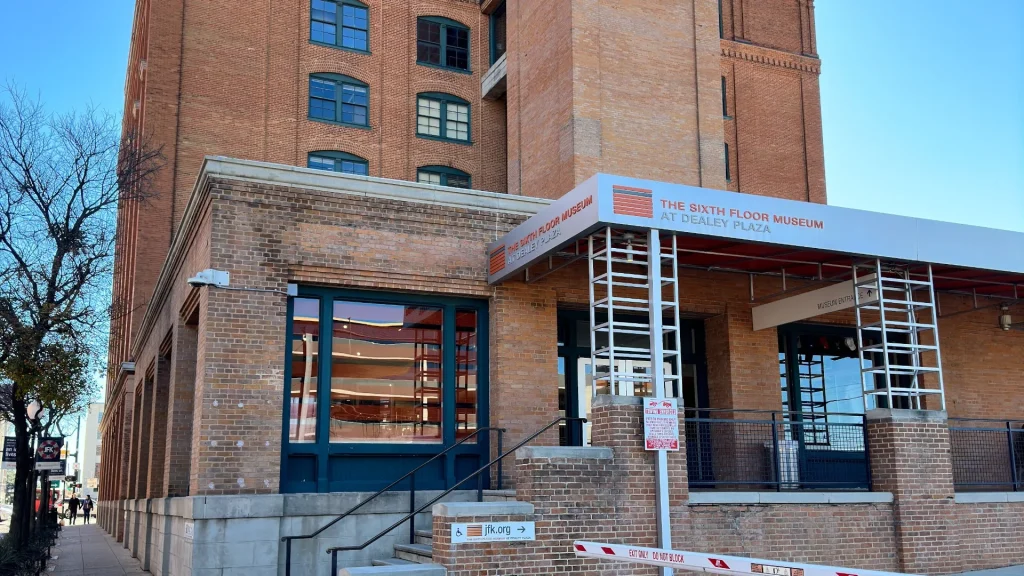
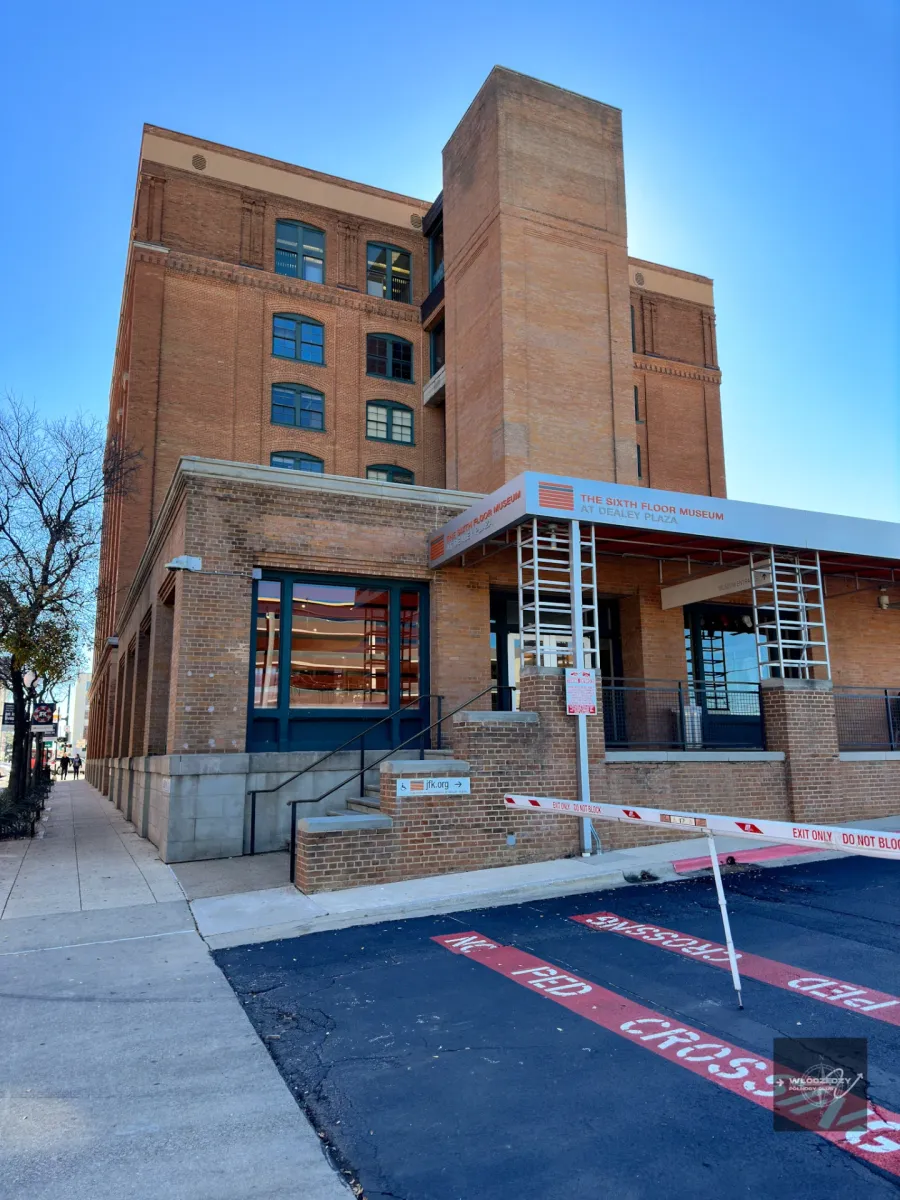
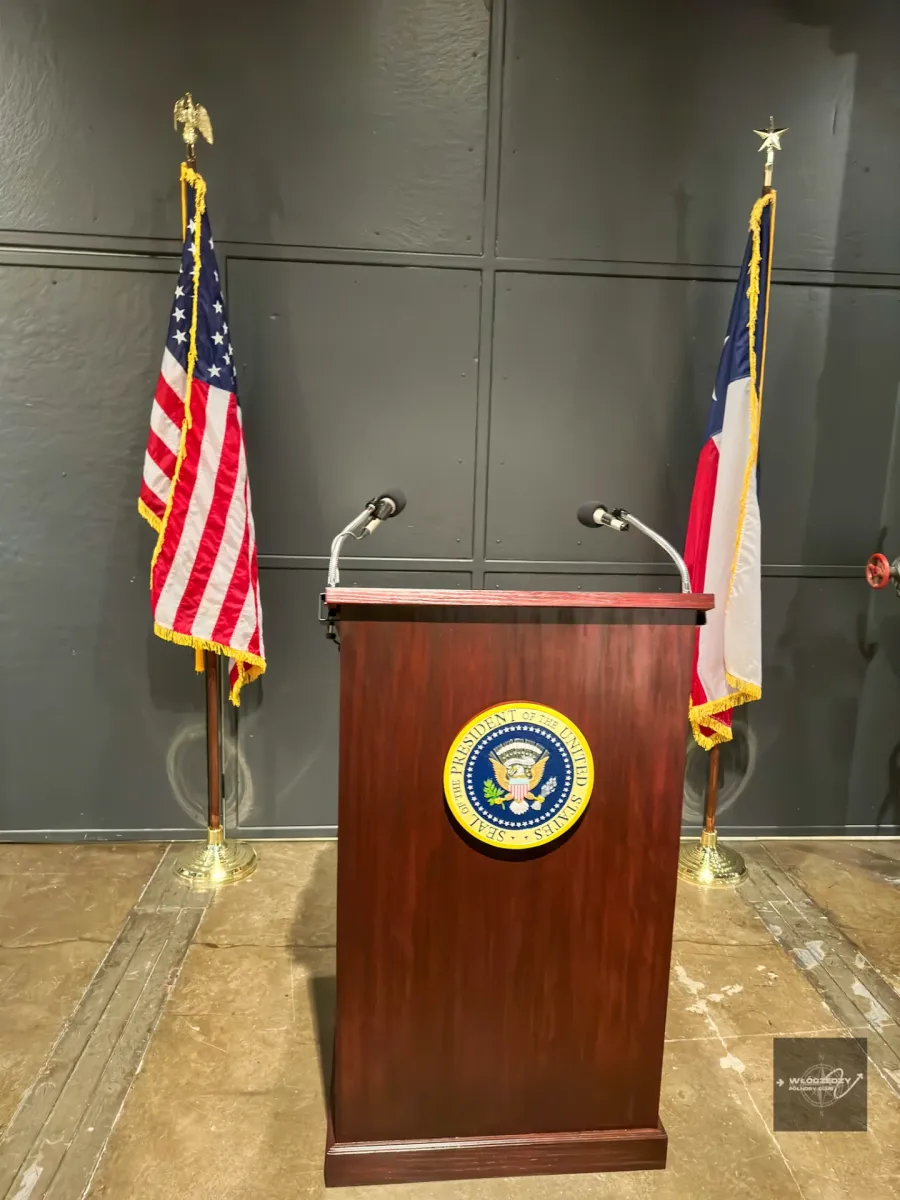
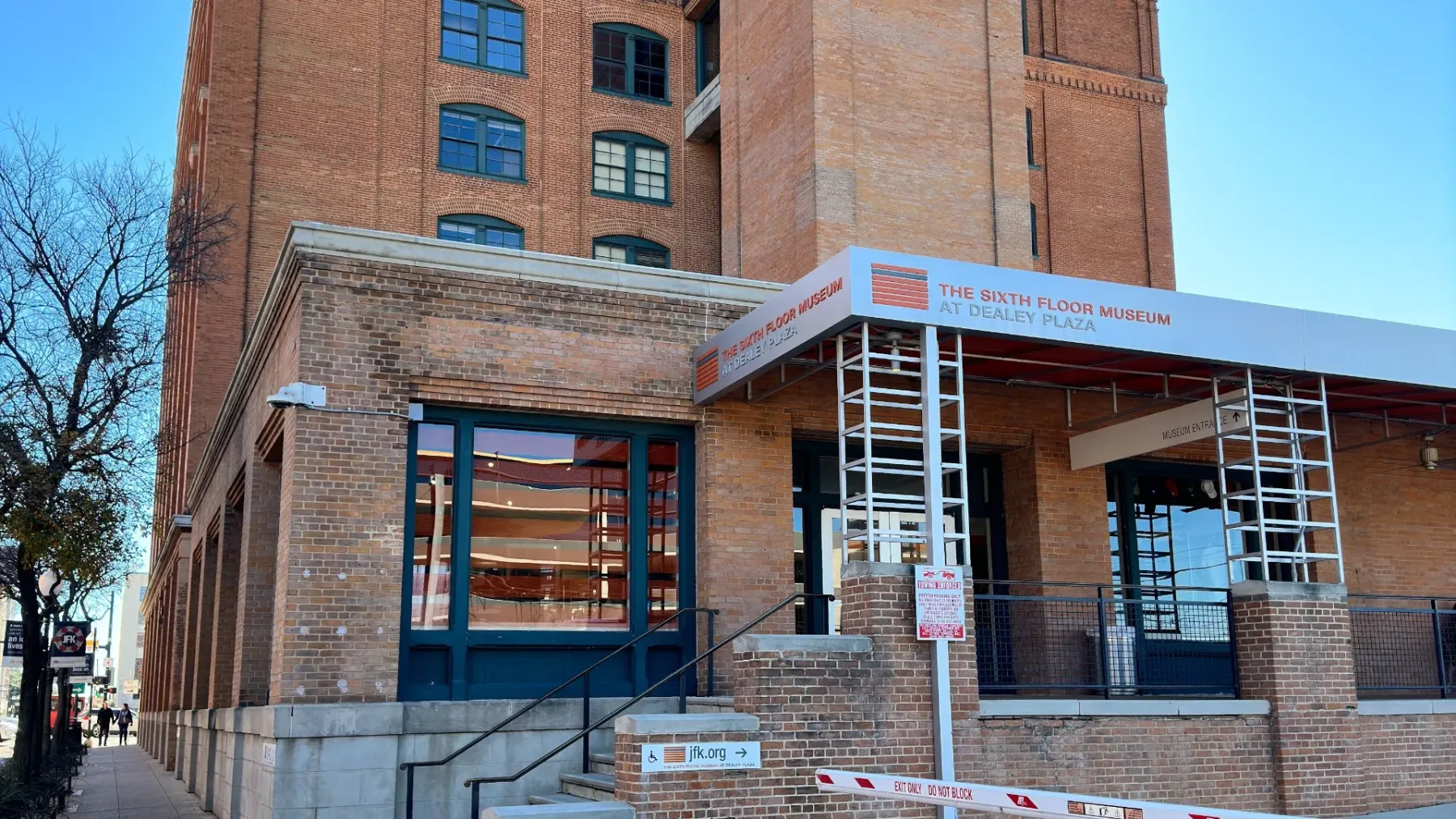
The Sixth Floor Museum at Dealey Plaza
Dallas is a city of highways, glass towers, and a story that never truly ended.
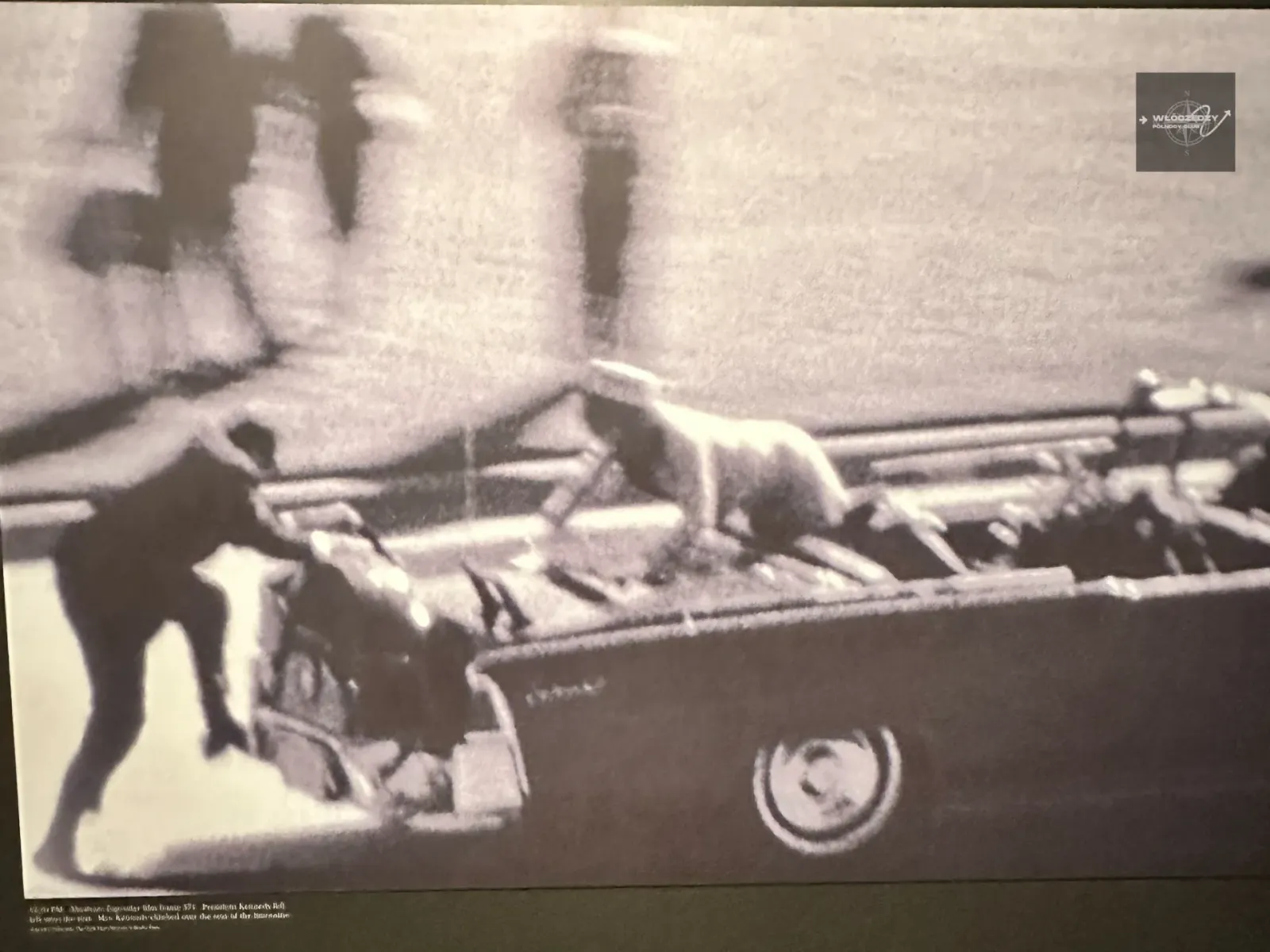
A visit to The Sixth Floor Museum is not about reliving a single tragic moment.
It’s about understanding how a nation arrived there.
This museum does not ask who pulled the trigger.
It asks something far more uncomfortable:
Why was America, in 1963, a place where one shot could change the world?
America Before November 22, 1963—A Country Under Pressure
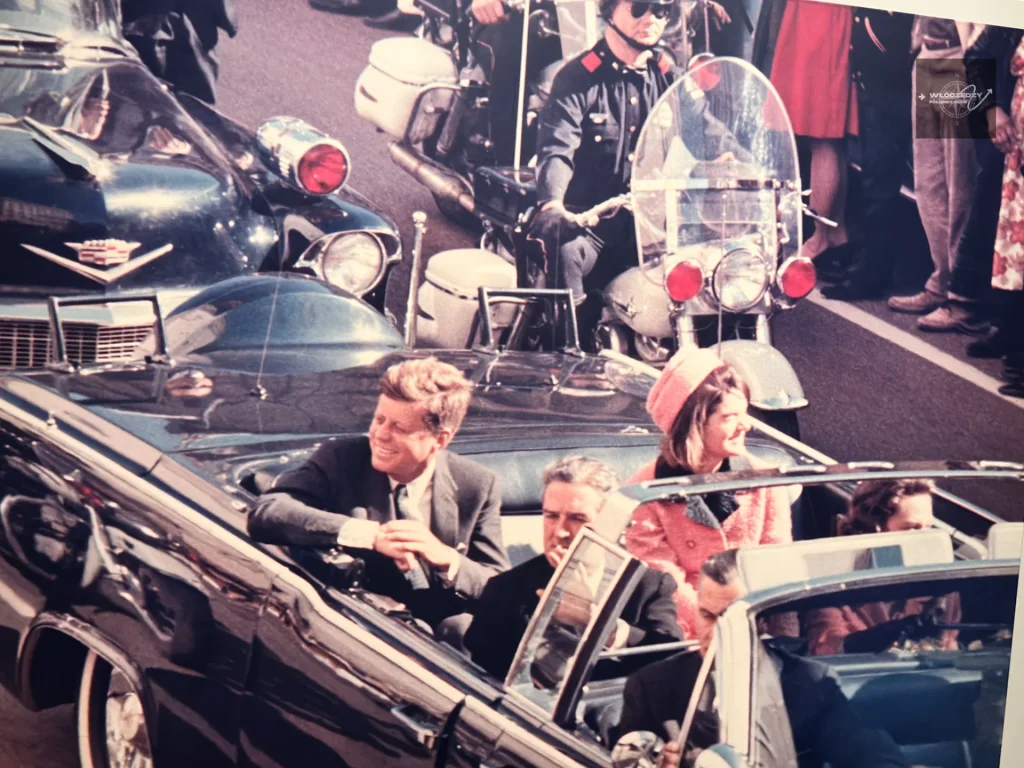
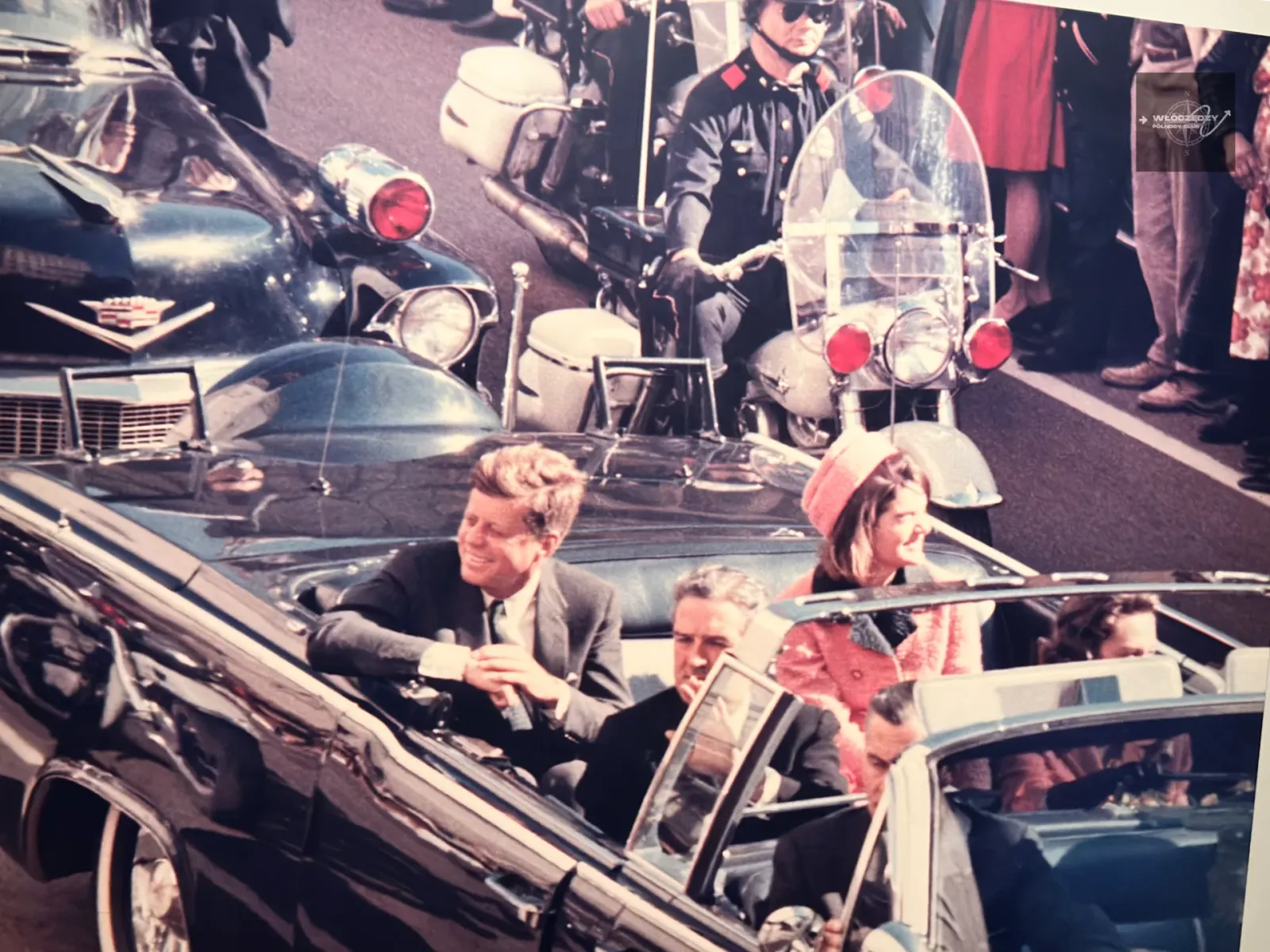
Twelve to eighteen months before the assassination of John F. Kennedy, the United States was deeply divided beneath the surface.
A President Who Didn’t Fit the System
Kennedy was:
- young
- charismatic
- Catholic
- politically unpredictable
To many, he represented a new era.
To others, he was an anomaly in a system built on old power structures.
Conflicts That Quietly Escalated
Intelligence Agencies, the Military & the Cold War
After:
- the failure of the Bay of Pigs
- the brinkmanship of the Cuban Missile Crisis
Kennedy:
- restricted the operational freedom of the CIA
- questioned military escalation, especially in Vietnam
- favored de-escalation over perpetual conflict
In a world where war had become an industry, this made him a difficult president to tolerate.
Civil Rights & the American South
Kennedy supported:
- desegregation
- civil rights legislation
- federal enforcement in Southern states
In Texas and across the South:
- He was seen by many as a threat to tradition
- His visit to Dallas unfolded in an atmosphere of open hostility
No conspiracy was required—a hostile climate already existed.
Who Might Have Wanted Him Gone?
Scenarios, Not Verdicts
What the Sixth Floor Museum does well is restraint.
It does not accuse—it invites reflection.
Possible interests affected by Kennedy’s policies included:
- radical right-wing groups
- elements of the intelligence community
- the military-industrial complex
- extremist anti-communist and Cuban exile circles
- or… a lone individual operating within a failing system
The figure of Lee Harvey Oswald appears not as a neat answer but as part of a much larger question.
The real issue is not who — but:
How could the system allow one person to alter global history so dramatically?
What Changed After Dallas?
The assassination reshaped the United States in lasting ways.
1. Narrative Control
- the Warren Commission
- rapid closure of public debate
- prioritizing national stability over unresolved questions
2. Strengthened Intelligence Agencies
- expanded budgets
- increased autonomy
- reduced civilian oversight
3. The End of American Innocence
After 1963:
- Presidents were no longer untouchable
- Simple explanations lost credibility
- The media became watchdogs, not cheerleaders
America changed — permanently.
Dealey Plaza: Only at the End
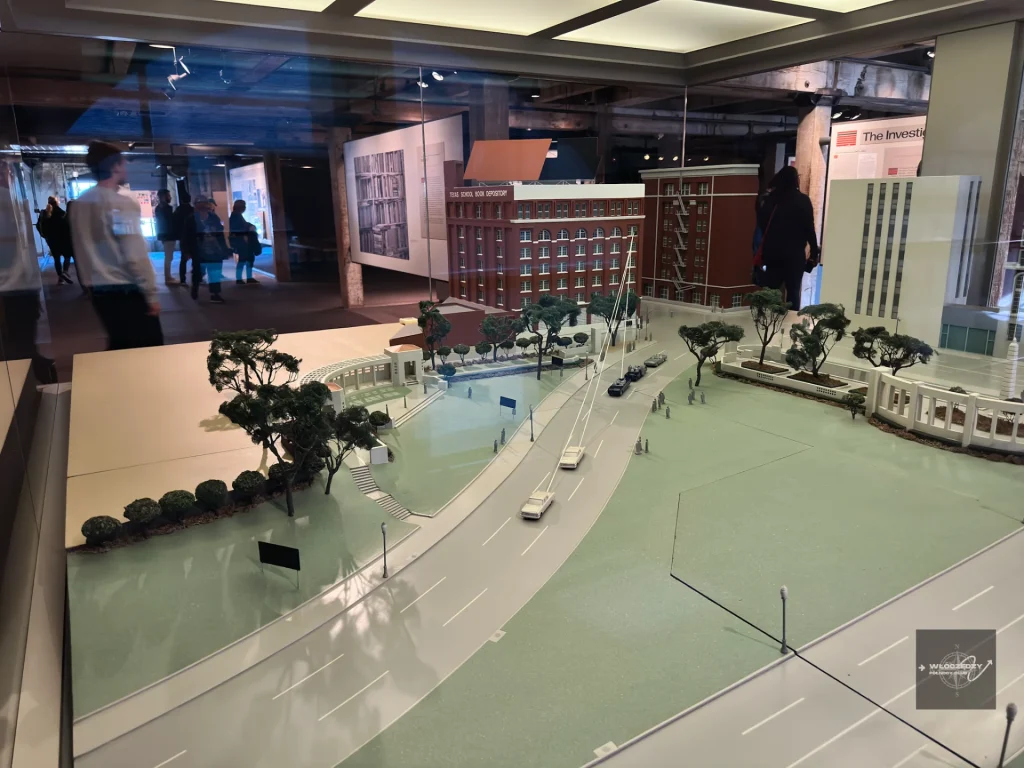
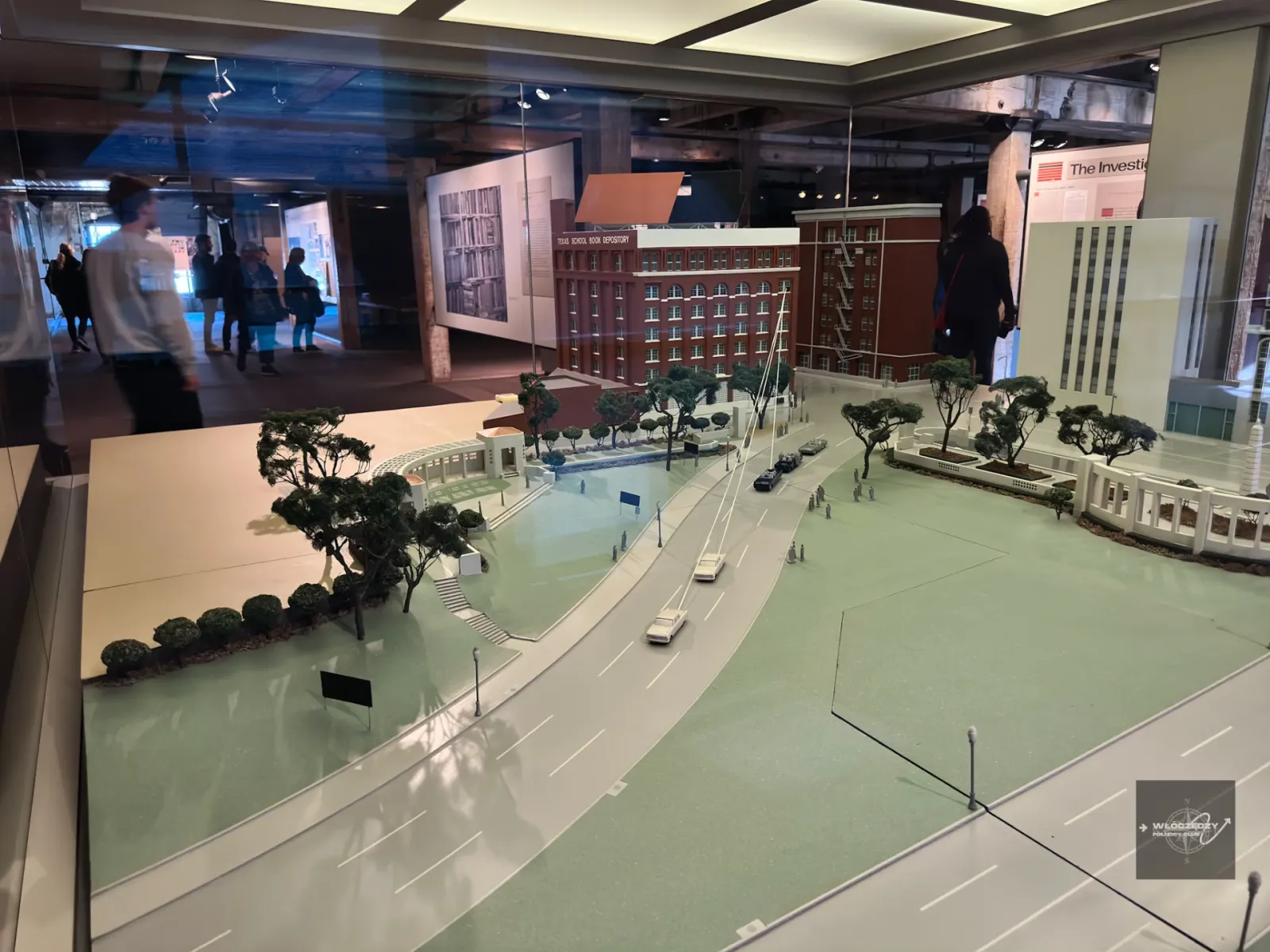
Only after understanding this broader context does Dealey Plaza fully make sense.
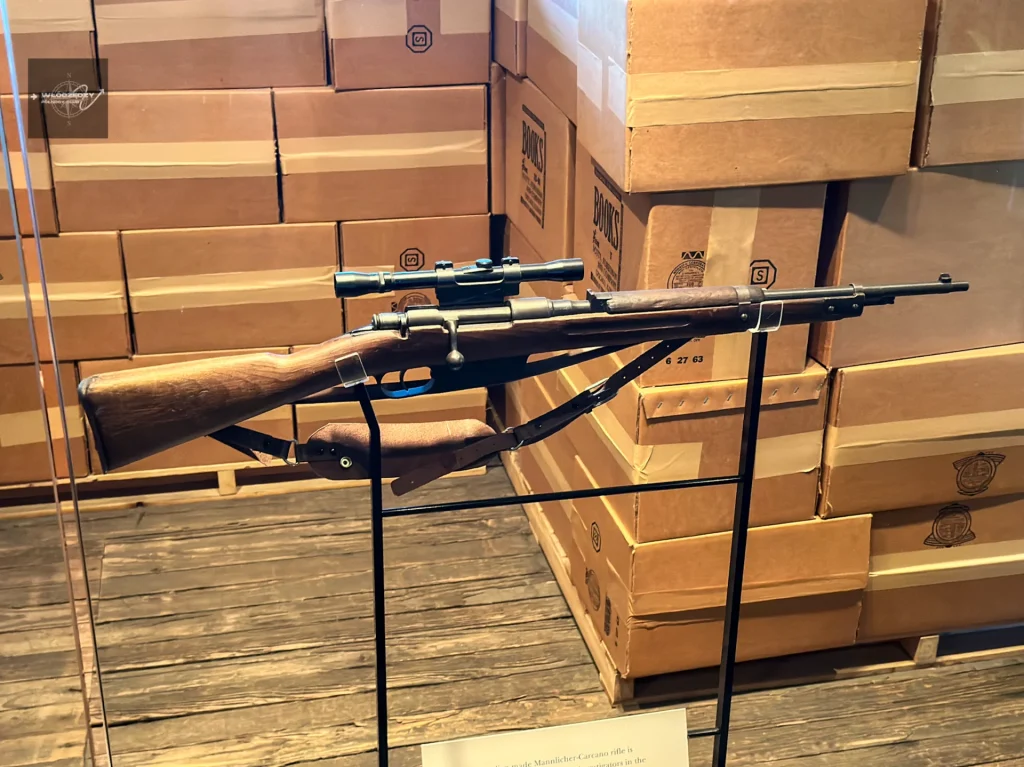
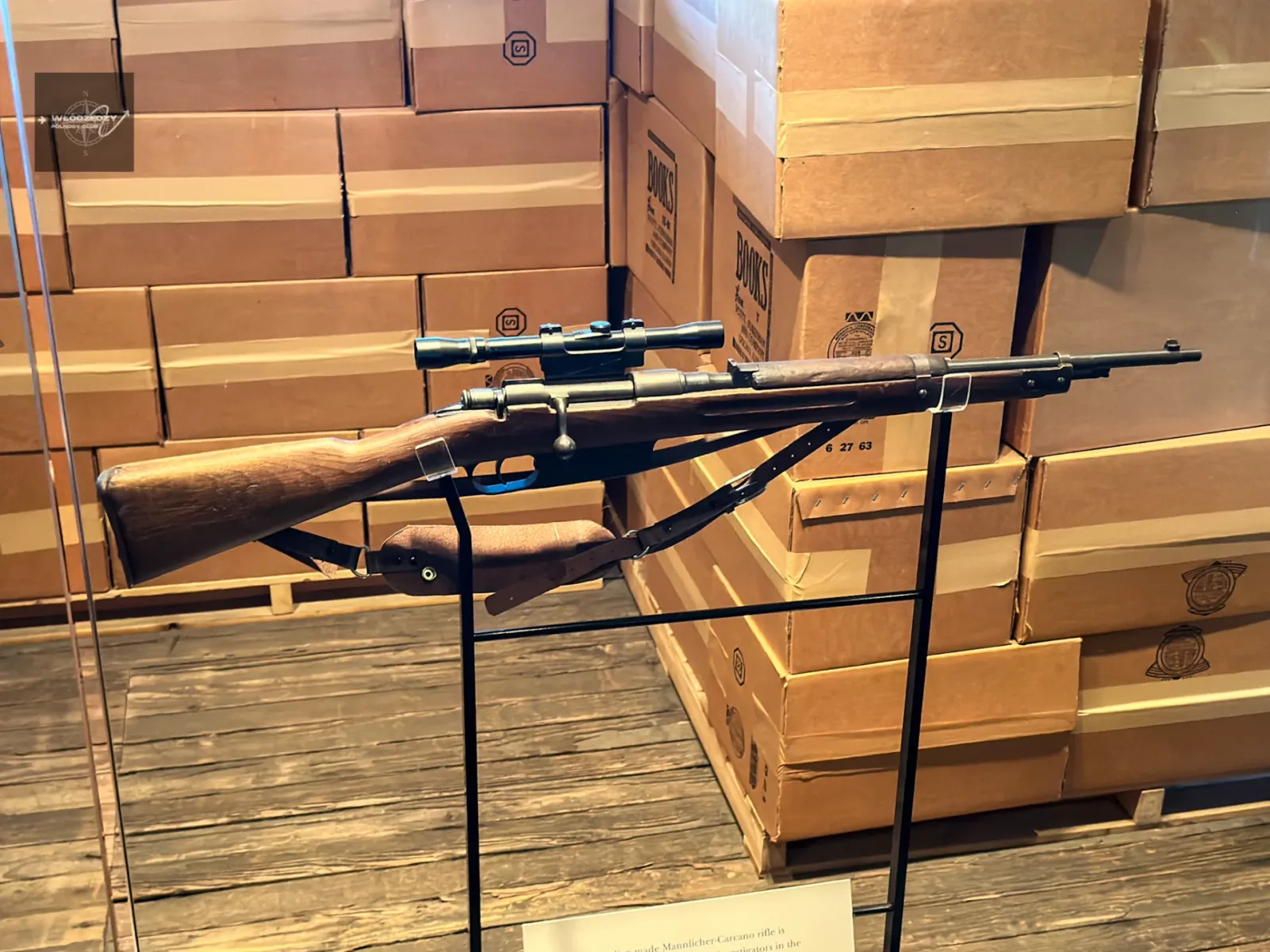
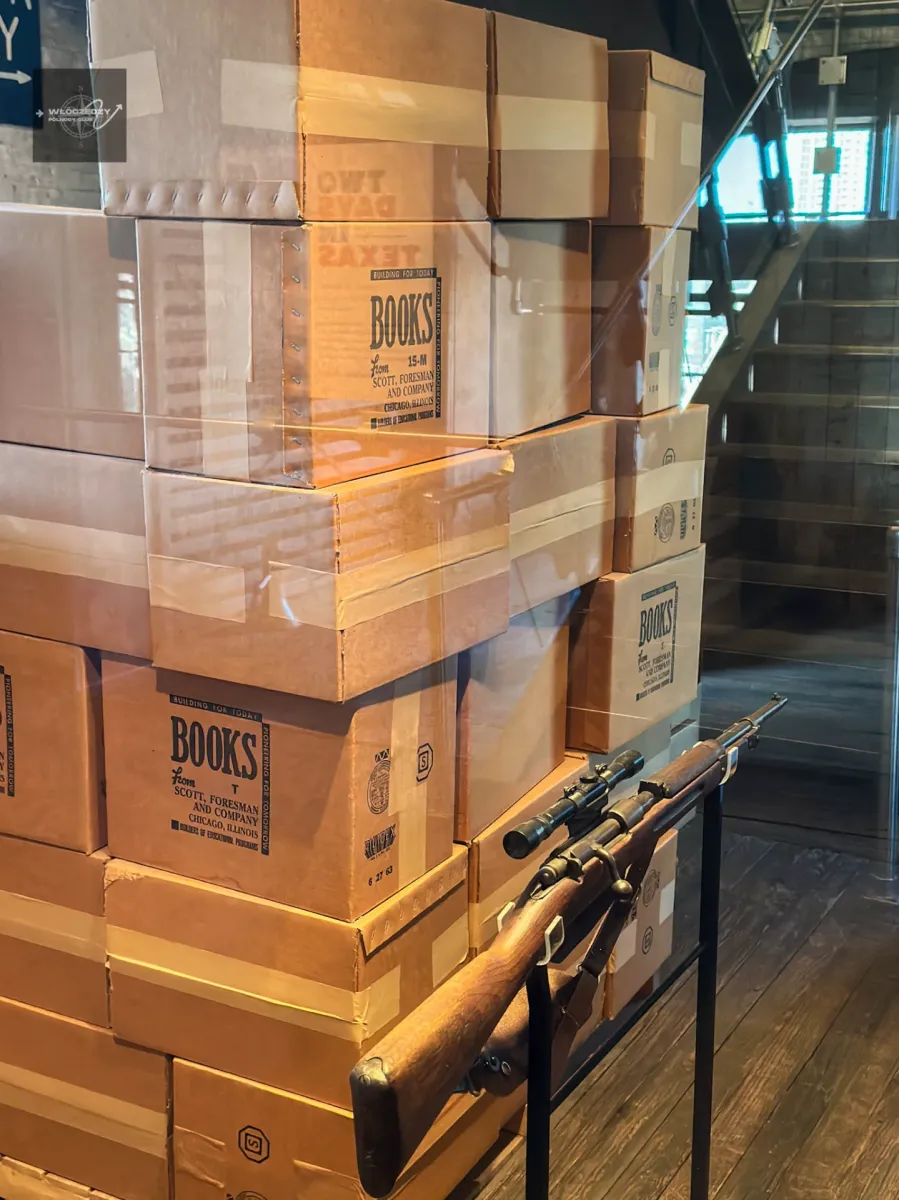
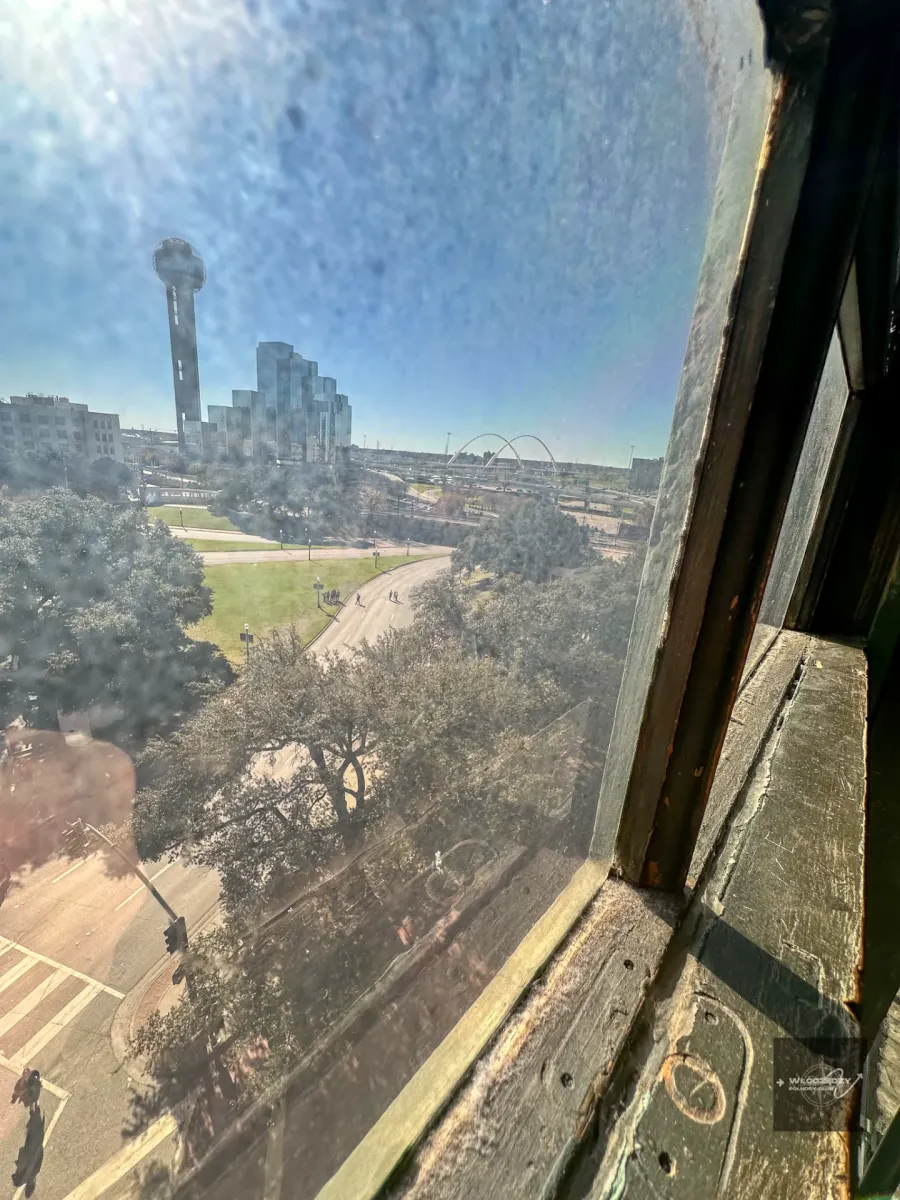
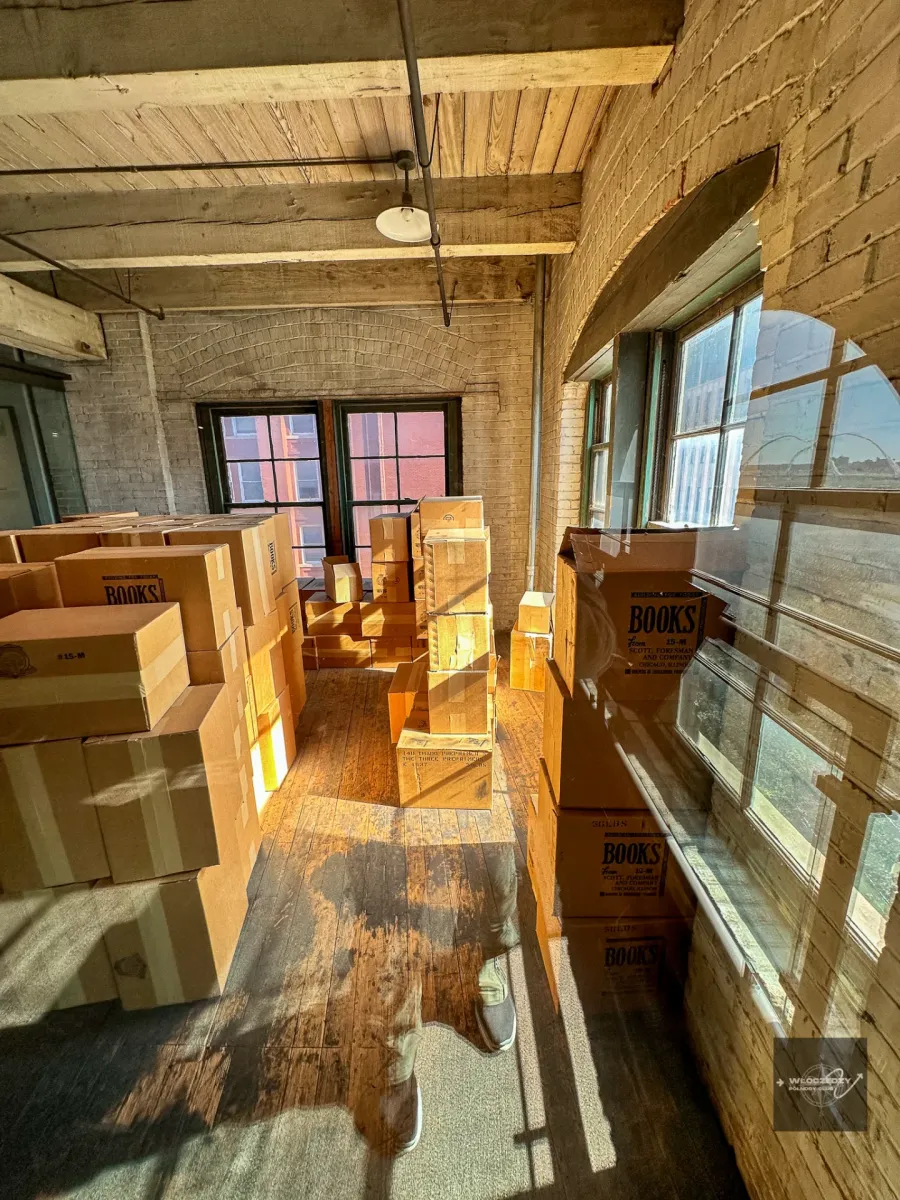
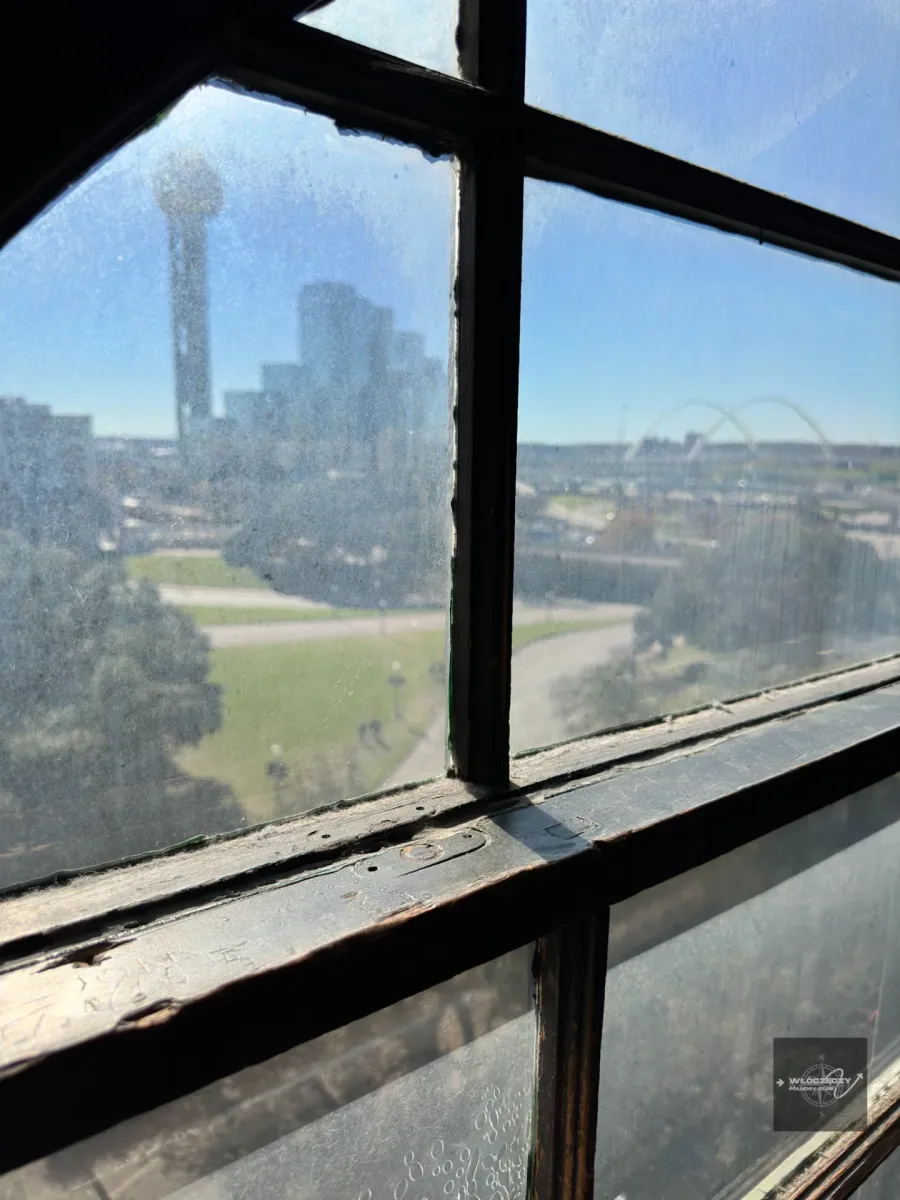
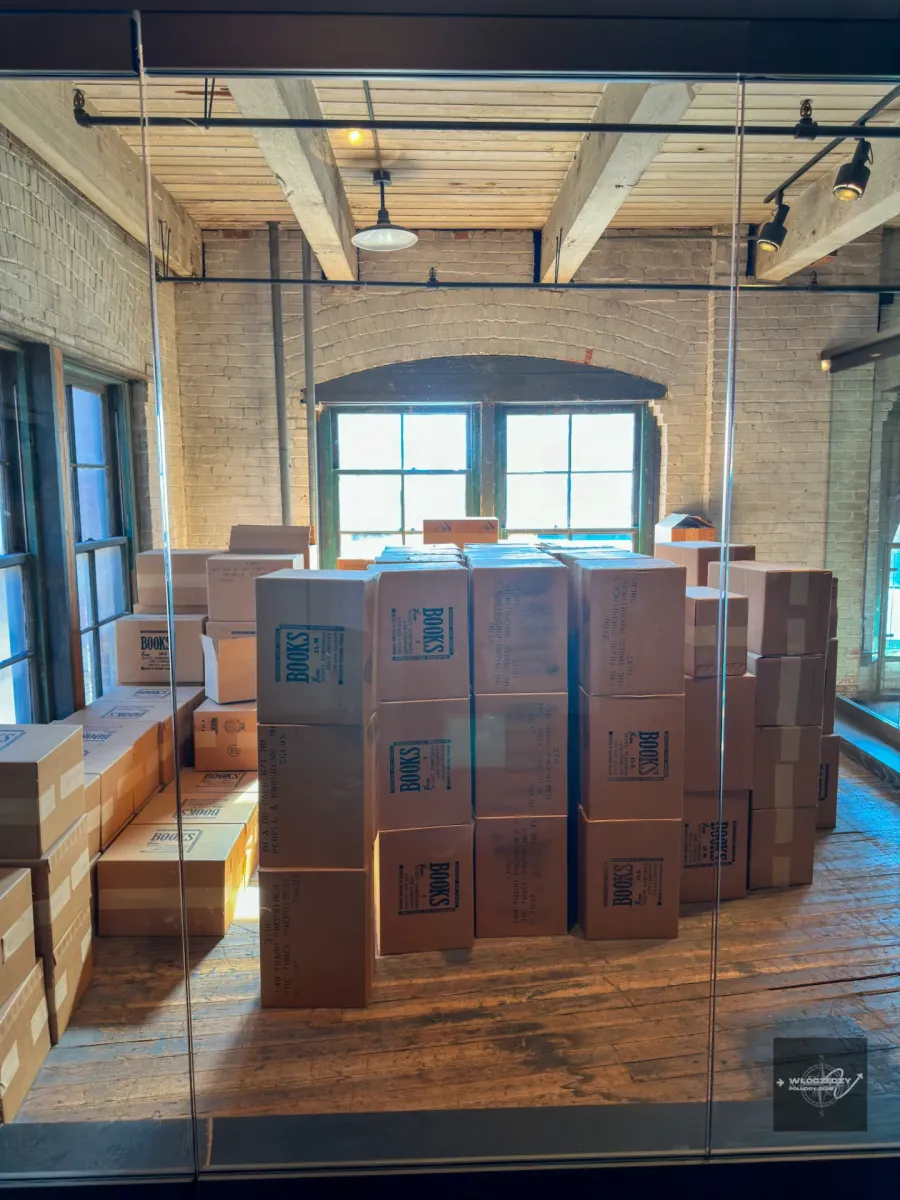
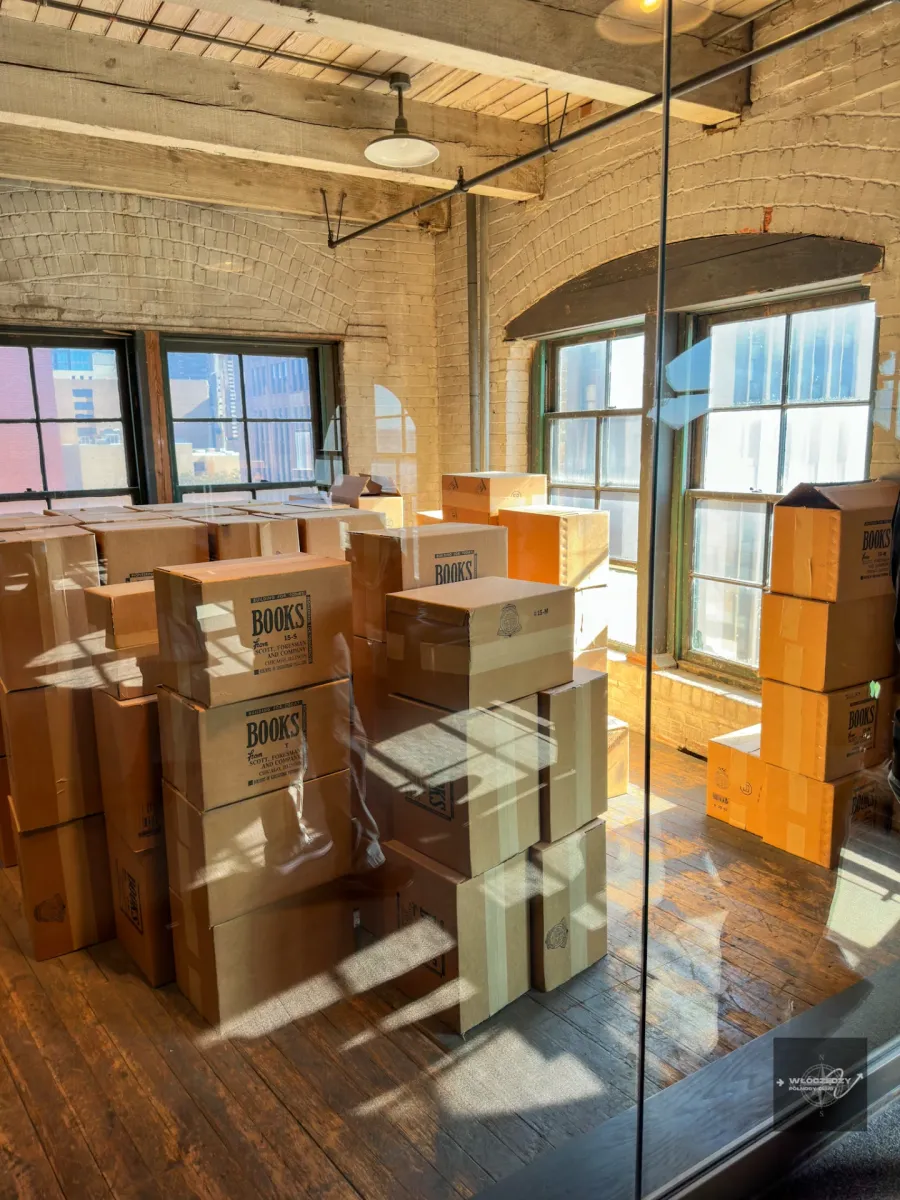
The model, the boxes, the window—they are not the beginning of the story.
They are its final punctuation mark.
Why This Is Our Last Story From Dallas
Because The Sixth Floor Museum closes the chapter perfectly.
Dallas is not only the city of an assassination.
It is the city where politics, fear, ambition, and power collided.
And that is where we leave it—before moving on.
“History rarely begins with a gunshot. It usually starts when people stop listening.”