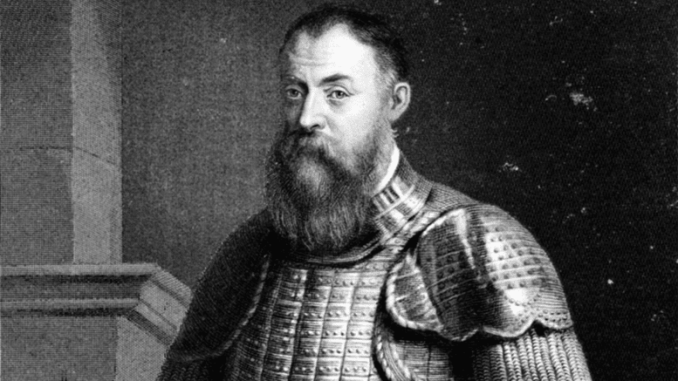
Red Hugh O’Donnell – the Gaelic wolf England wished it had never met

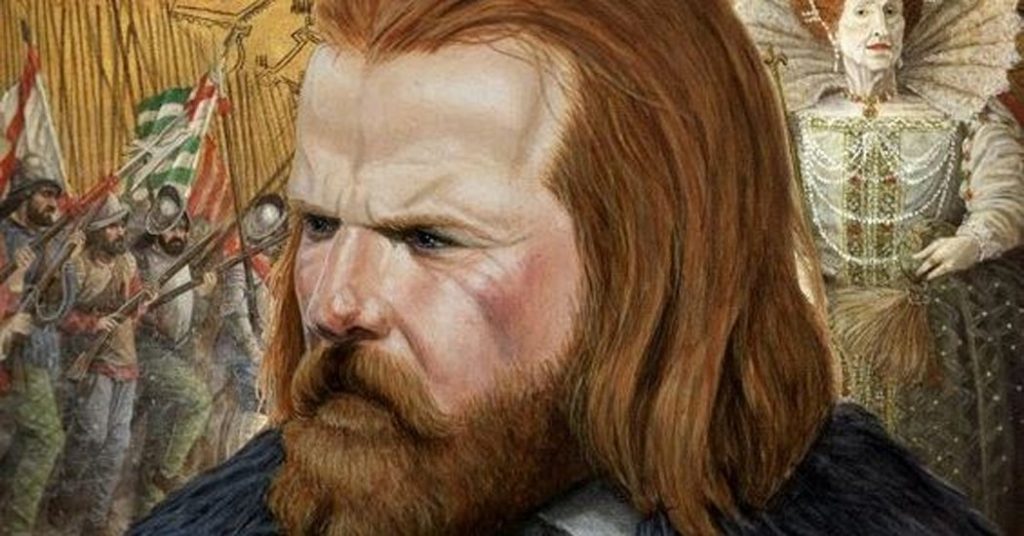
Red Hugh O’Donnell

“Some men enter history quietly. Others kick the door open.”

INTRO

Some historical figures become legends because later generations exaggerate their stories.

And then there’s Red Hugh O’Donnell, where the awkward reality is that the actual facts are already dramatic enough.

Let’s review:

✔ kidnapped by the English as a teenager
✔ imprisoned in Dublin Castle
✔ escaped during winter through the Wicklow Mountains
✔ nearly froze to death
✔ returned to Donegal like a man personally offended by geography
✔ helped lead a war against England
✔ almost changed Irish history
✔ died in Spain under circumstances that still trigger historical arguments

If you pitched this as fiction, someone would absolutely say:

“Bit much, isn’t it?”

And yet…

it all happened.

Mostly.

Because history, as always, enjoys complicating good stories.

Growing up in Donegal: not exactly a peaceful childhood

Hugh Red O'Donnell

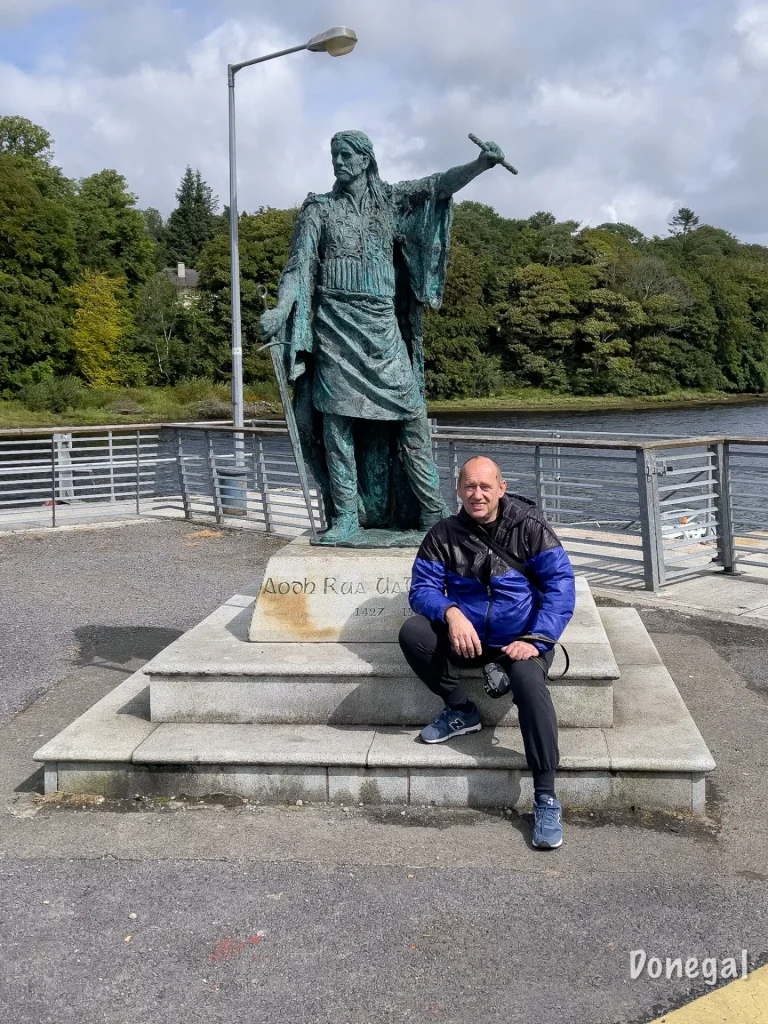
Red Hugh, or Aodh Ruadh Ó Domhnaill, was born around 1572.

His world?

Tyrconnell.
Modern County Donegal.

And if you’re imagining some peaceful aristocratic childhood with poetry, scenic walks and mild political discussion…

absolutely not 😄

Late 16th-century Gaelic Ireland was a remarkably energetic place.

Meaning:

  • political alliances changed constantly,
  • loyalty had a short shelf life,
  • neighbours occasionally visited with armed intentions,
  • England kept expanding influence,
  • everyone was suspicious.

The O’Donnell dynasty was one of the most powerful Gaelic families in Ireland.

And their stronghold?

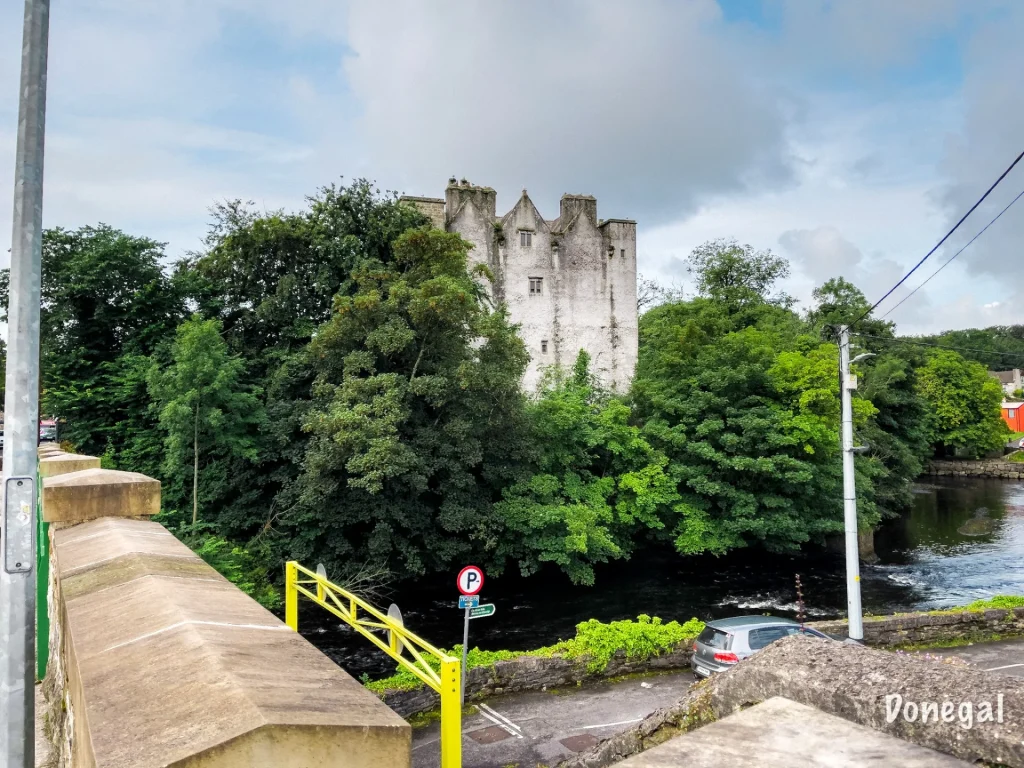
Donegal Castle.

Today:
beautiful heritage attraction.

Back then:
very real centre of power, plotting and strategic anxiety.

Young Hugh wasn’t being raised to inherit property.

He was being raised to survive politics.

VAGABOND COMMENT 🍺

Some children receive toy swords.

Red Hugh basically inherited a geopolitical crisis.
 

The Tudor plan: “lovely island, would be a shame if…”

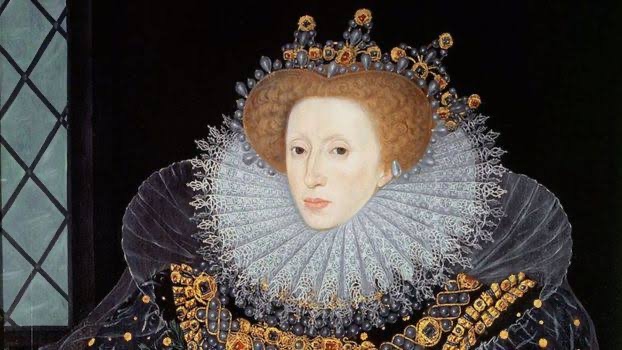
Elżbieta I Tudor

At this point, England had plans.

Those plans were called:

full control of Ireland.

Queen Elizabeth I and her administration had very limited interest in asking permission.

Particularly in the north.

Which was inconvenient for Gaelic lords who preferred independence.

The O’Donnells fell firmly into the category of:

“absolutely not.”

And that naturally made them a problem.

English hospitality (highly overrated)

In 1587, young Hugh received what might generously be described as an invitation.

Or less generously:

a trap.

He was lured aboard an English ship.

Supposedly for discussions.

In practice?

Kidnapped.

The English believed keeping a young O’Donnell hostage would help control the family.

Which, in fairness, was not an unusual strategy.

Still deeply rude.

But not unusual.

And so Hugh was taken to:

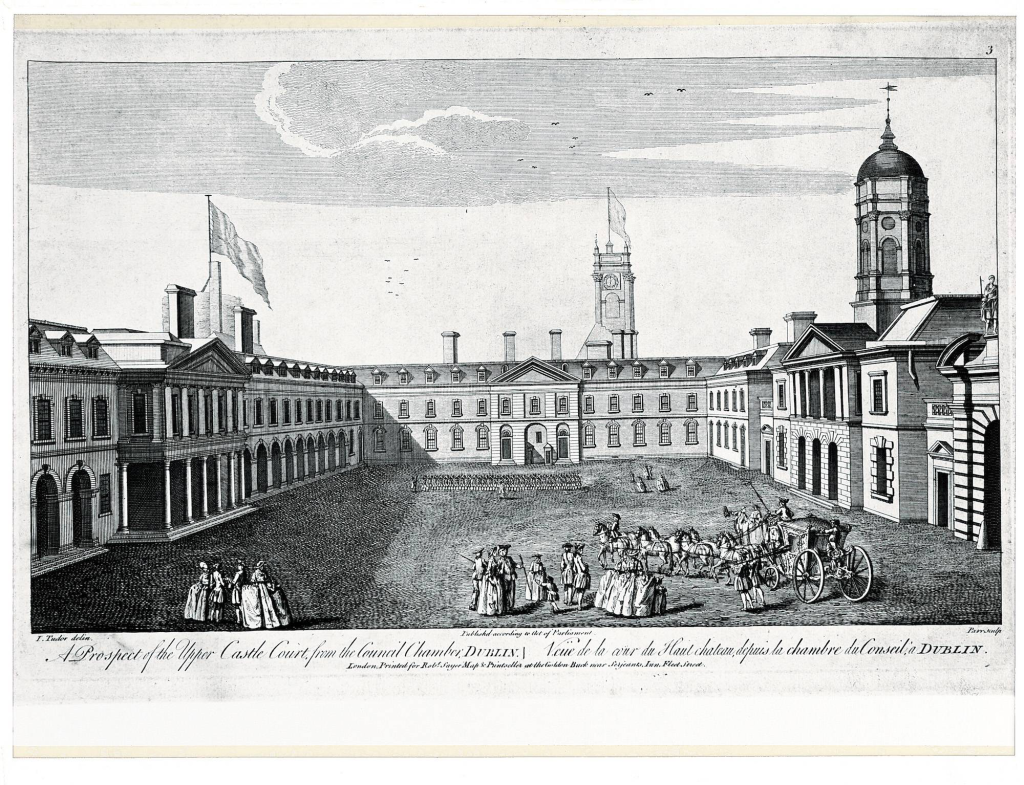
Dublin Castle

Which, as historical accommodation goes, lacked charm.

Dublin Castle z epoki Tudorów

Dublin Castle Escape Room (extreme difficulty)

Modern escape rooms are marketed as “challenging.”

This was genuinely challenging.

Hugh attempted escape multiple times.

The first efforts failed.

Which was unfortunate because Tudor imprisonment did not come with customer feedback forms.

Eventually, however:

1592.

A winter escape.

And suddenly history becomes wildly cinematic.

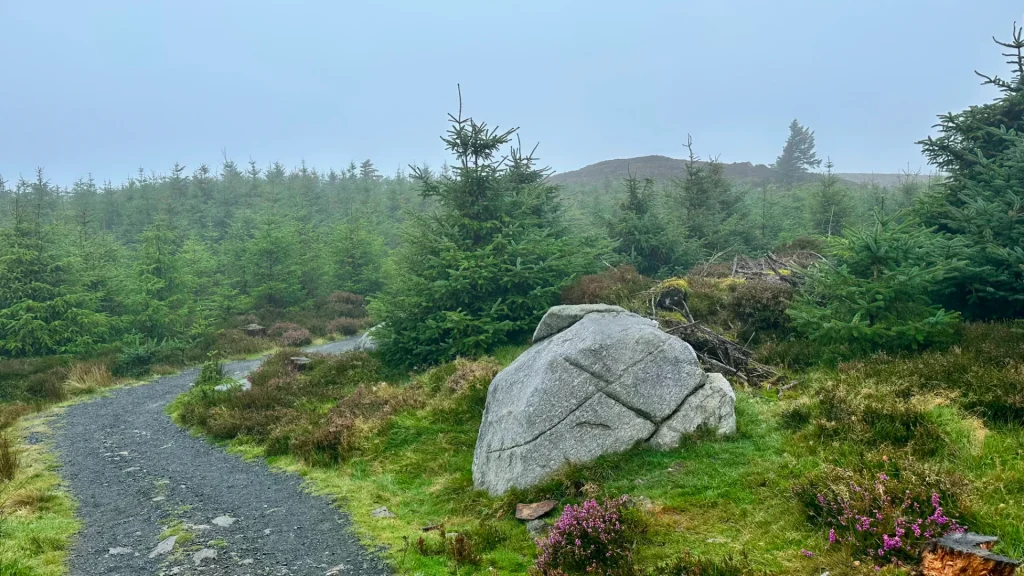
The Mountains and Forests of County Wicklow

Wicklow: where this nearly became a very short story

Escaping prison was only the beginning.

The real nightmare was what came next.

Because getting from Dublin back to friendly territory meant crossing the Wicklow Mountains

in winter.

Meaning:

  • freezing temperatures,
  • snow,
  • exhaustion,
  • pursuit,
  • minimal supplies,
  • terrible odds.

One companion died.

Hugh himself came dangerously close to death.

This wasn’t a romantic heroic trek.

It was desperate survival.

If modern visitors drive through Wicklow admiring the scenery…

it’s worth remembering Hugh probably had slightly different feelings.

Something closer to:

“If I survive this, England is going to hear about it.”

😄

The return of a very angry young nobleman

Hugh made it back.

And that changed everything.

Because he did not return as a frightened hostage.

He returned as a symbol.

Soon, he became recognised as The O’Donnell, leader of the dynasty.

Which created a small but significant problem for England:

they had accidentally produced a highly motivated enemy.

RED HUGH O’DONNELL—PART II

War, Yellow Ford and the precise moment London stopped feeling comfortable

England had accidentally created its own problem

Let’s be honest.

If the English strategy was:

“kidnap the young Gaelic heir and make the family easier to manage”

…it had some noticeable flaws.

Most importantly:

Red Hugh survived.

Returned home.

And came back significantly less interested in cooperation.

Which, frankly, is a fairly understandable emotional response after:

  • kidnapping,
  • imprisonment,
  • near-death mountain survival,
  • and discovering Tudor customer service was deeply lacking.

Enter Hugh O’Neill: because one major problem wasn’t enough

Hugh O’Neill

To understand how serious things became, we need the other Hugh.

Hugh O’Neill, Earl of Tyrone.

This was not some local hot-headed rebel with poor planning.

He was intelligent, politically capable and strategically dangerous.

So naturally history decided to pair him with Red Hugh.

Because apparently moderation was unavailable.

Together:

Hugh O’Neill + Red Hugh O’Donnell

became something England found increasingly inconvenient.

Which is diplomatic wording for:

“this is becoming a serious military problem.”

VAGABOND COMMENT 🍺

Combining these two was essentially the historical version of:
“What if we merge two separate emergencies into one larger emergency?”

The Nine Years’ War: Ireland says “enough”

The Nine Years’ War (1594–1603) was not a collection of random skirmishes.

This was the largest organised Gaelic resistance to English rule in Ireland.

The stakes?

Enormous.

If O’Neill and O’Donnell succeeded:

English expansion could suffer a major strategic collapse.

If they failed:

the old Gaelic political world would begin to disappear.

So yes.

Reasonably high pressure.

Red Hugh: not just symbolic, genuinely dangerous

This matters.

Because it’s easy to turn Red Hugh into purely romantic nationalist iconography.

But he was also a very real military commander.

He wasn’t sitting in a decorative chair giving motivational speeches.

He fought.

Planned.

Organised.

Led campaigns.

And by all accounts, he was effective.

Particularly in Connacht.

Fast-moving campaigns.
Aggressive tactics.
Real battlefield impact.

Not someone English officers remembered fondly.

Yellow Ford: when London nearly choked on its own confidence

1598. Battle of Yellow Ford.

One of the most devastating English defeats in Ireland.

And almost certainly the point where someone in London said something deeply impolite.

English forces marched to relieve Armagh.

Unfortunately for them:

the Irish were ready.

The result?

Disaster.

Heavy casualties.
Strategic failure.
Collapsed morale.
Widespread alarm.

This was the moment when English authorities realised the rebellion was no longer merely inconvenient.

It was dangerous.

And Red Hugh played a real role in that success.

DARK CORNER ☠️

Victories tend to look glorious in paintings.

In reality they usually involve:
mud,
panic,
blood,
screaming,
and a lot of people making increasingly poor decisions.

Spain enters the conversation (slowly)

Naturally, Irish leaders sought support abroad.

And the obvious partner was:

Spain.

Why?

Simple.

  • Catholic power
  • Anti-English
  • Militarily significant
  • Already hostile toward England

Perfect, right?

Well.

In theory.

Spain had a remarkable talent for the diplomatic version of:

“Absolutely, we’ll help. Soon. Very soon. Probably.”

😄

Still, support discussions were real.

And they gave Irish resistance genuine hope.

The historical “what if”

This is where historians start making thoughtful faces.

Because there was a real possibility—however uncertain—that events could have turned differently.

If:

  • coordination had improved,
  • logistics had behaved,
  • communication had functioned,
  • timing had cooperated…

English dominance in Ireland might have faced a far more serious crisis.

That’s not fantasy.

That’s legitimate historical speculation.

But history is deeply fond of the phrase:

“if only.”

Red Hugh becomes something bigger

By now, Red Hugh was more than a military leader.

He was becoming symbolic.

For many Irish:

  • resistance,
  • Gaelic pride,
  • defiance,
  • possibility.

For English administrators?

Something closer to:

“Can this man please stop doing this?”

😄

And then came Kinsale…

Because whenever history starts looking hopeful…

it usually prepares something deeply inconvenient.

And yes.

That’s exactly where we’re going.

RED HUGH O’DONNELL—PART III

Kinsale, exile, suspicious death and the brutally ironic ending history loves so much

“Some men lose the war but still win immortality.”

Kinsale: how to spectacularly ruin a historic opportunity

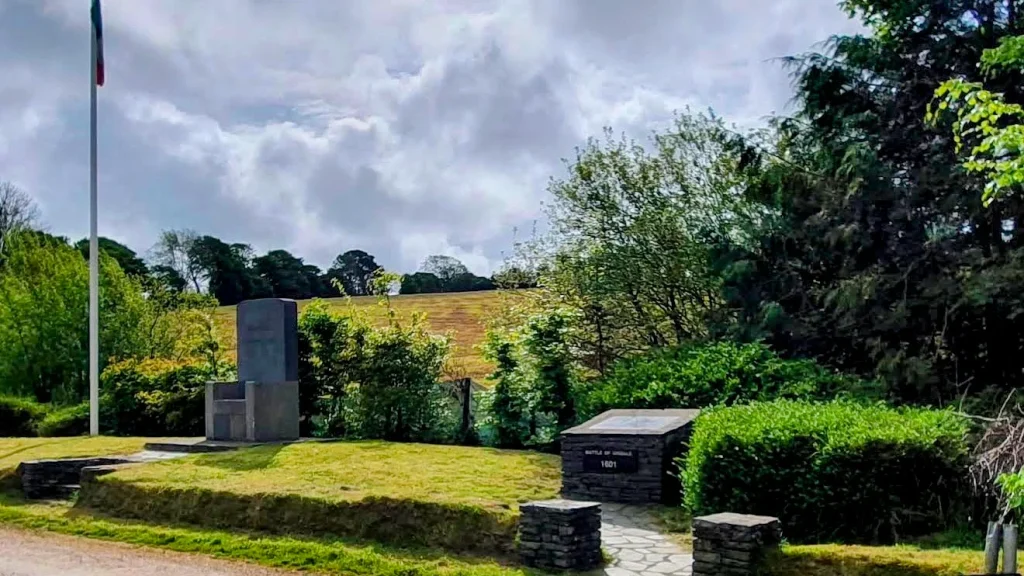
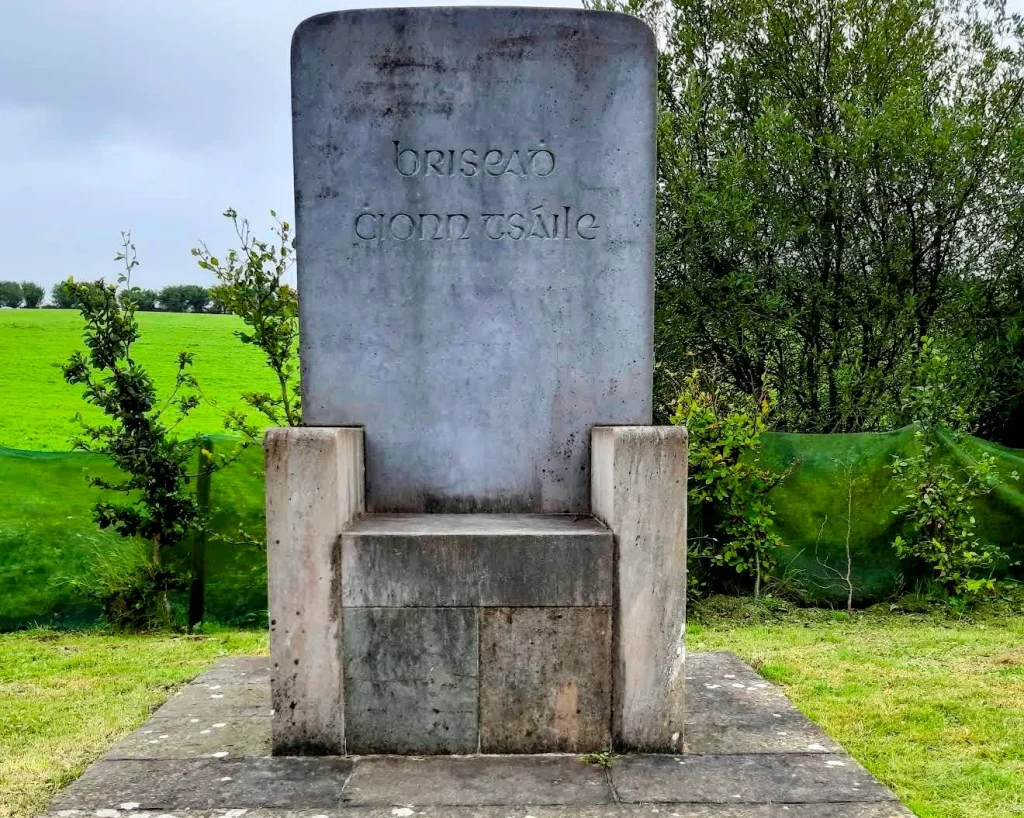
1601. Kinsale.

At last…

Spain arrived.

Which was excellent news.

Except for one minor issue.

They arrived in Cork.

Which, from the perspective of northern Irish strategy, was roughly the equivalent of calling emergency support to Donegal and having them casually appear in southern England.

Not ideal.

Suddenly, Hugh O’Neill and Red Hugh had a serious logistical problem.

Because now the Irish forces had to march south…

in winter…

under pressure…

toward a complicated multinational military situation.

Which is historically the sort of sentence that rarely ends well.

VAGABOND COMMENT 🍺

Anyone who has ever tried organising a group trip knows logistics are difficult.

Now imagine coordinating:

  • Gaelic warlords
  • Spanish military leadership
  • winter weather
  • supply chains
  • strategic timing
  • a war against England

😄

Exactly.

The battle that changed everything

The battle itself?

Disastrous.

And this is where optimism leaves the building.

Problems included:

  • poor coordination
  • strategic confusion
  • communication failures
  • timing issues
  • battlefield chaos

England, meanwhile, was prepared.

The result:

defeat.

Painful.
Historic.
Potentially civilisation-changing.

Because Kinsale was not just another military loss.

It was arguably the beginning of the end for the old Gaelic political order.

That sounds dramatic.

Because it was.

DARK CORNER ☠️

Not every historical collapse looks cinematic.

Sometimes it looks like tired soldiers, bad communication and the slow realisation that your world is ending.

Red Hugh refuses to accept reality

To his credit:

Red Hugh did not respond with:

“Well, that was unfortunate.”

He remained committed.

The struggle wasn’t over.

So he did what ambitious anti-English leaders often did:

looked toward Europe.

Specifically:

Spain.

Exile, diplomacy, and one last gamble

Red Hugh travelled to Spain seeking renewed military assistance.

The objective was straightforward:

convince the Spanish Crown to continue backing Irish resistance.

Perfectly logical.

Unfortunately…

international politics rarely reward logic.

Spain had:

  • its own wars
  • financial pressures
  • competing priorities
  • larger imperial concerns

Red Hugh mattered.

But not enough to reorder the empire around his cause.

Which must have been… disappointing.


So how did he actually die?

And here we reach the deliciously controversial part 😄

Because Red Hugh’s death has attracted exactly the kind of theories historians both enjoy and sigh at.

Let’s review.

VERSION 1 — dramatic spy thriller

English agents poisoned him.

This version has everything:

✔ intrigue
✔ political revenge
✔ foreign assassination
✔ heroic martyrdom

Narratively?

Excellent.

Historically?

Less certain.

Awkward medical reality 🤭

The more likely explanation is much less cinematic.

Historical evidence suggests Red Hugh probably died of illness.

Candidates include:

  • severe infection
  • fever
  • infectious disease
  • possibly a sexually transmitted illness (yes, really)

Do we know with certainty?

No.

Do historians generally consider natural illness more plausible than secret assassination?

Usually yes.

Which gives us one of history’s favourite ironies:

a man who survived:

  • English imprisonment
  • winter mountain escape
  • large-scale war
  • political collapse
  • international diplomacy

…may ultimately have been defeated by microbes.

History can be deeply disrespectful.

MYTH VS REALITY

MYTH

Red Hugh O’Donnell was definitely assassinated by English agents.

REALITY

There is no definitive proof.
Natural illness remains the most plausible explanation.

Hero, legend… or both?

Honestly?

Both.

Because even if every dramatic embellishment vanished tomorrow…

the real story remains extraordinary.

He truly:

  • escaped captivity
  • returned to Donegal
  • led resistance
  • fought England
  • shaped one of Ireland’s most critical conflicts
  • became symbolic of Gaelic resistance

He doesn’t need exaggeration.

Reality already did the heavy lifting.

Donegal Castle: where this story actually lived

And this brings us back to the place modern visitors explore with cameras and comfortable walking shoes.

Donegal Castle.

For tourists:
beautiful heritage site.

For the O’Donnells?

Political headquarters.

Strategic nerve centre.

Seat of power.

This wasn’t decorative architecture.

This was the operational heart of Gaelic authority in Tyrconnell.

Standing there now, it’s easy to admire the stonework.

Harder—but much more rewarding—to imagine the anxiety, ambition and decisions once made inside those walls.

FINAL THOUGHTS

Not every historical figure deserves myth.

Red Hugh O’Donnell probably does.

Not because he was flawless.

Not because he won.

But because he genuinely came close to changing history.

Closer than many remember.

And perhaps that’s what makes stories like this so compelling.

Not victory.

But possibility.

FINAL CTA

If you visit Donegal Castle, remember:

you are not simply visiting an old fortress.

You’re walking through the world of a man who once gave one of Europe’s major powers a genuinely stressful few years.

And, for a while…

did a remarkably convincing job of it.

😎☘️⚔️

Previous


Next


Discover with Us

Share
Vagabonds of the North
Privacy Overview

This website uses cookies so that we can provide you with the best user experience possible. Cookie information is stored in your browser and performs functions such as recognising you when you return to our website and helping our team to understand which sections of the website you find most interesting and useful.