
KING JOHN’S CASTLE — PART II
Sieges, starvation, Cromwell… and everyone having a truly terrible time
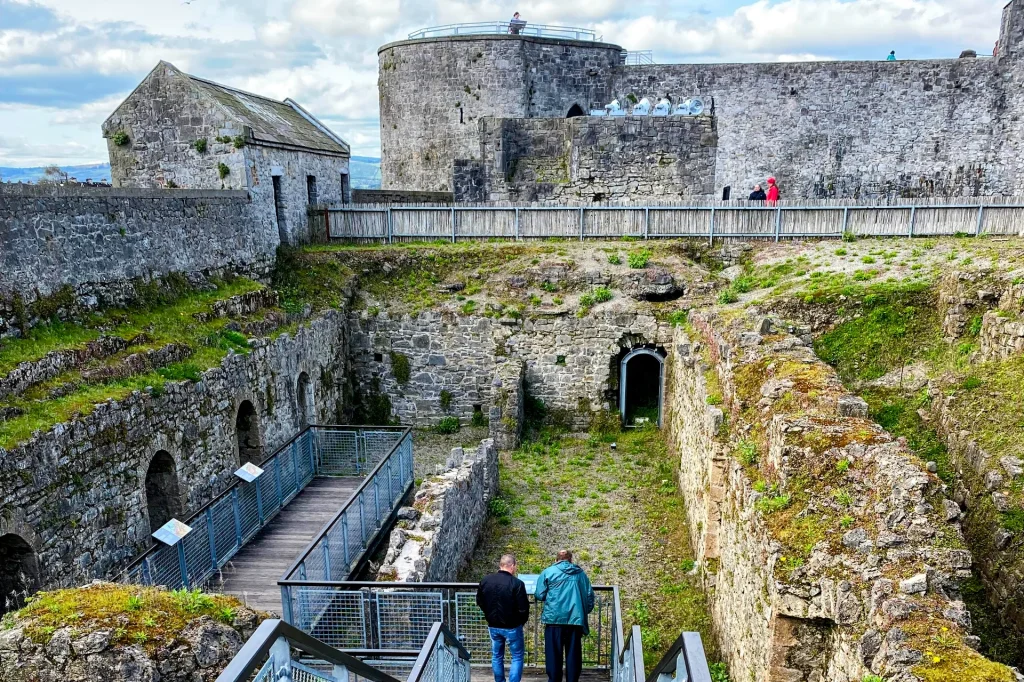
“Some walls protected people. These tested their will to survive.”
Vagabonds of the North
If Part I was about building a fortress designed to dominate the landscape…
Part II is about what happens when everyone decides to attack it anyway.
Because once you build a giant strategic Norman fortress in medieval Ireland, you’re essentially placing a very expensive sign that reads:
“Please start a conflict here.”
And history, being history, enthusiastically accepted the invitation.
Premium medieval real estate… with terrible neighbors
King John’s Castle did not enjoy a quiet existence.
Which is hardly shocking.
Strategically important castles tend to attract attention in much the same way free food attracts relatives.
And Limerick?
Limerick was always strategically important.
Trade.
River access.
Political symbolism.
Military control.
In other words:
absolutely everybody had opinions about who should own it.
Medieval castle life was not remotely glamorous
Quick reality check.
Because fantasy TV has done tremendous damage to public expectations.
No, medieval castles were not charming.
They were not cosy.
They did not smell of fresh bread and noble romance.
They smelled of:
- damp stone,
- smoke,
- livestock,
- poor hygiene,
- human stress,
- and questionable life choices.
King John’s Castle was a military fortress.
Meaning:
- freezing stone walls,
- endless drafts,
- minimal privacy,
- constant anxiety,
- and hygiene standards that would make modern humans immediately leave.
Anyone claiming they’d love to “live in a medieval castle” has clearly never spent a week without heating, hot water or functioning internet.
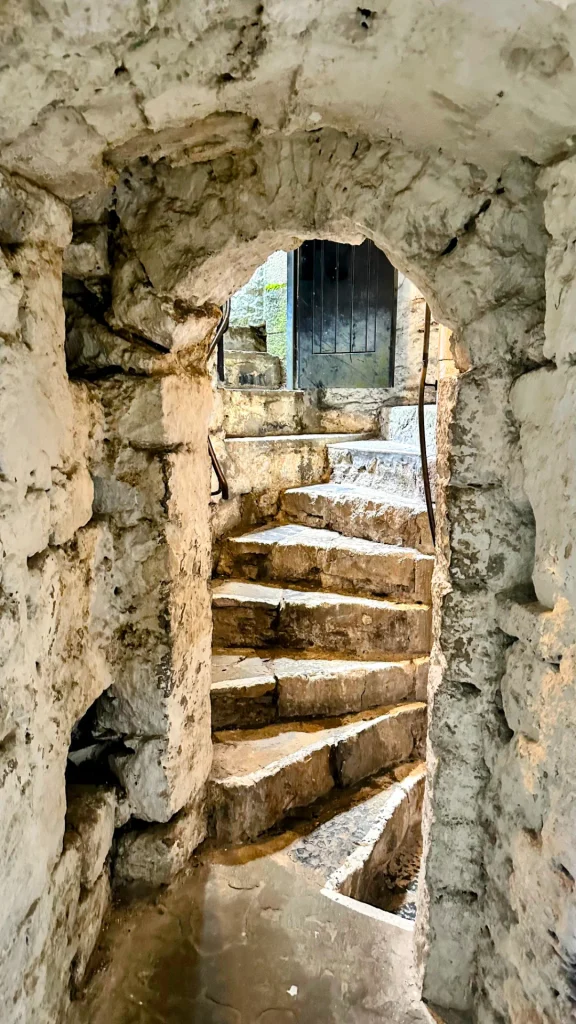
1642: someone decides digging under the castle sounds clever
And now things become properly entertaining.
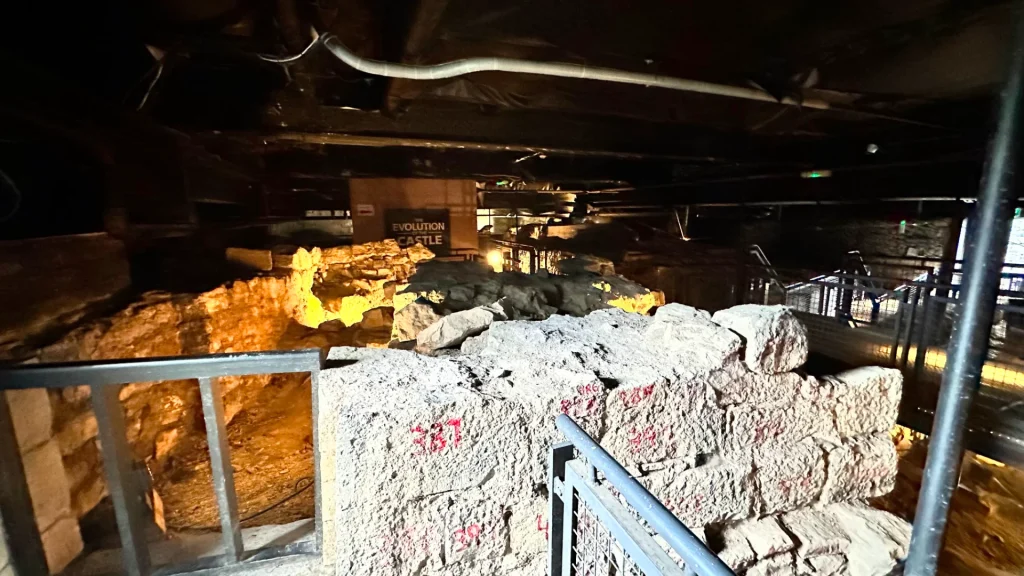
In 1642, during the Irish Confederate Wars, King John’s Castle was besieged again.
Because apparently peace remained unpopular.
And here we encounter one of history’s favourite military problem-solving techniques:
digging tunnels under fortifications and blowing things up.
Yes.
This was an actual strategy.
Someone genuinely looked at the walls and thought:
“What if instead of climbing over them… we remove the ground beneath them?”
Honestly?
Not the worst idea.
The siege caused significant damage.
By now warfare had evolved.
This was no longer swords-and-banners medieval theatre.
Now we had:
- artillery,
- explosives,
- siege engineering,
- structural destruction,
- and a general commitment to making everyone miserable.
King John’s Castle had entered a new era.
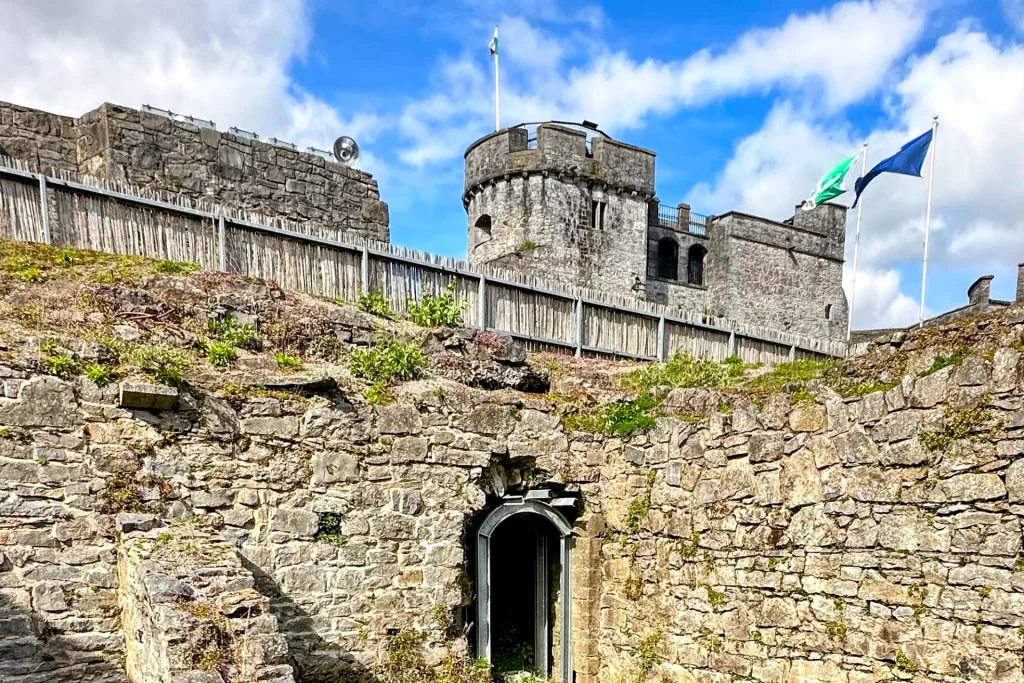
Cromwell enters the chat ☠️
If Irish history had a list titled:
“People we are still not particularly fond of”
Oliver Cromwell would rank extremely well.
In 1651, Limerick faced Cromwellian siege warfare.
And unlike romanticised battlefield stories, siege warfare is profoundly ugly.
Inside the city:
- food ran out,
- disease spread,
- morale collapsed,
- civilians suffered horribly.
There were no cinematic heroic speeches improving the atmosphere.
Just slow misery.
Starvation.
Illness.
Fear.
This is the part of history tourism brochures tend not to feature prominently.
King John’s Castle, by this point, was less a symbol of glorious resistance…
and more a witness to prolonged human suffering.
DARK CORNER ☠️
The worst horror here wasn’t ghosts.
It was logistics.
Because starvation remains one of history’s least glamorous but most brutally effective weapons.
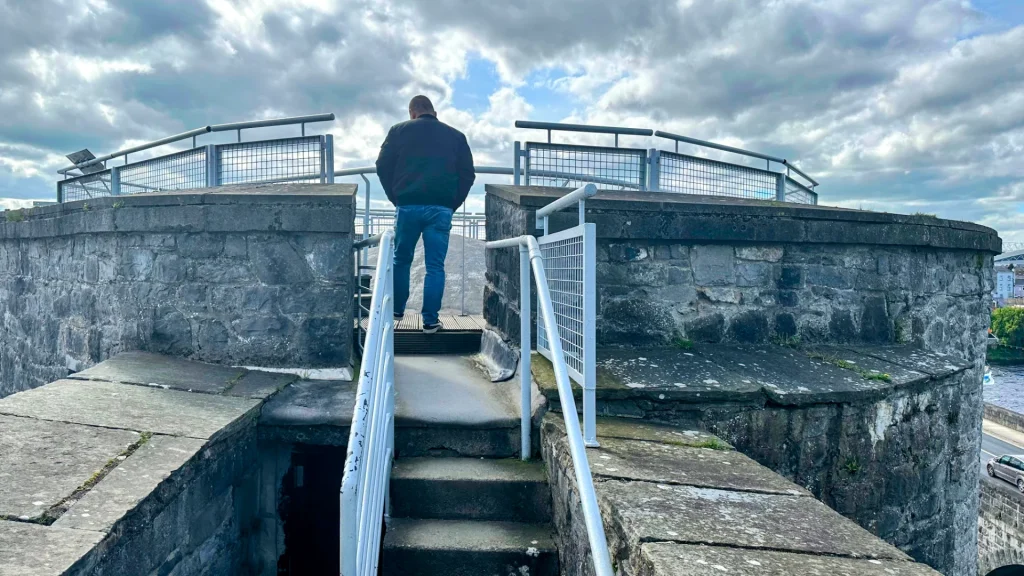
1690: Limerick refuses to cooperate
And if you assumed things improved after Cromwell…
absolutely not 😄
Now we arrive at the Williamite War in Ireland.
Two claimants.
Two political visions.
Plenty of armed men.
On one side:
William III (William of Orange)
On the other:
James II
Limerick became one of the final Jacobite strongholds.
Meaning, once again:
everyone wanted the city.
In 1690, Limerick was besieged.
And unexpectedly…
it held.
This was a serious embarrassment for William’s forces.
The city successfully resisted.
Which is exactly the kind of historical outcome locals tend to remember fondly.
Treaty City is born
By 1691, however, the story changed.
Following another siege, the Treaty of Limerick was signed.
On paper, it promised protections and political settlement.
In practice?
Well.
History has an outstanding tradition of not fully honouring inconvenient agreements.
Still, the treaty gave Limerick its enduring nickname:
Treaty City
And that identity remains part of the city to this day.
Flight of the Wild Geese
One of the most emotionally significant consequences followed shortly after.
The Flight of the Wild Geese.
Thousands of Irish soldiers left Ireland to serve in European armies.
This became one of the defining symbols of loss, exile and the end of an era.
And yes…
King John’s Castle was there for that too.
At this point, if these walls could talk, they would probably request therapy.
VAGABOND COMMENT 🍺
King John’s Castle is essentially that friend who says:
“You won’t believe what happened to me this century.”
And somehow…
you always do.