Discover Texas with us
| Dallas | Houston | Galveston |
Dallas Museum of Art | Dallas World Aquarium | The Sixth Floor Museum | Dallas Arboretum and Botanical Garden
More Than a Museum in Texas
When people think of Dallas, they often imagine skylines, business districts, and Texas scale.
Few expect to find one of the most globally diverse art collections in the United States.
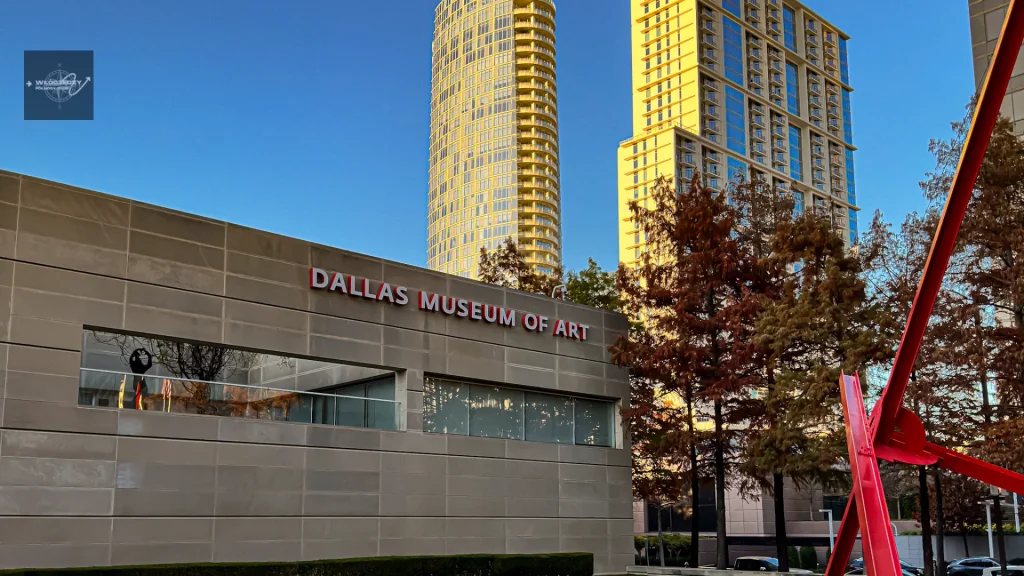
Yet right in the Arts District stands the Dallas Museum of Art, a museum that doesn’t simply display objects—it stages conversations between civilizations.
Walking through DMA is not a chronological lesson.
It is a leap across continents and centuries.
Gold and the Afterlife—The Andes
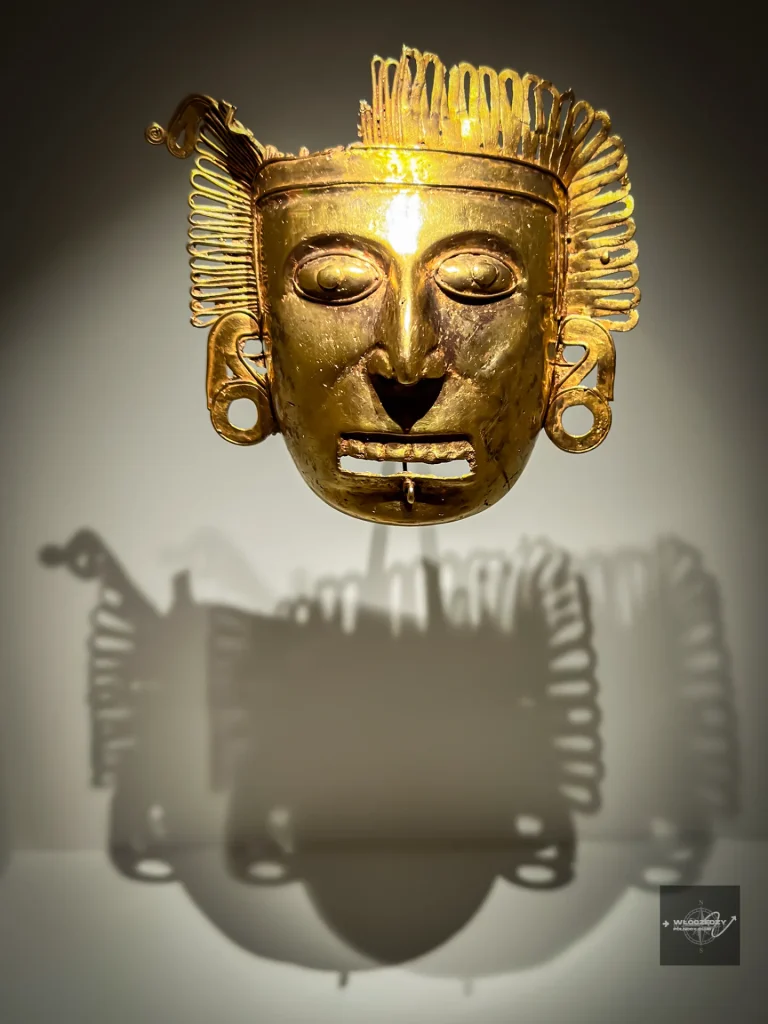
One of the most striking pieces in the pre-Columbian galleries is a gold funerary mask from northern Peru, associated with the Sicán (Lambayeque) culture.
In the Andes, gold was not currency.
It was sacred.
It represented the sun, immortality, and divine presence. These masks were not portraits of individuals; they were symbolic transformations. The deceased did not “wear” gold for status. They entered eternity wrapped in solar power.
In a single object, DMA introduces a civilization where death was not an ending but a continuation.
Stone and Negotiation—Zapotec Oaxaca
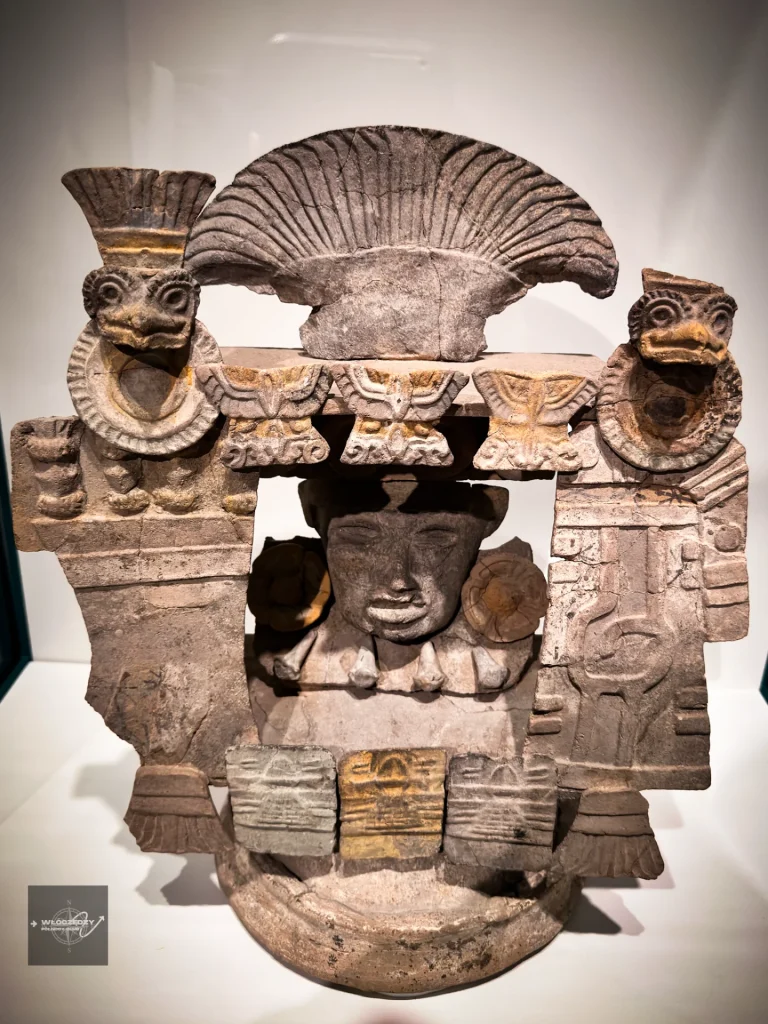
A Zapotec funerary urn from Oaxaca reveals a different worldview.
Monumental and architectural in form, it likely represents Cocijo, the Zapotec rain deity. Rain was survival. Crops depended on it. Communities depended on crops.
Even in death, the Zapotec elite ensured proximity to divine forces. The urn functioned as mediator between the living, the dead, and the powers of nature.
Here, art becomes diplomacy.
Gods of Rain—The Aztec World
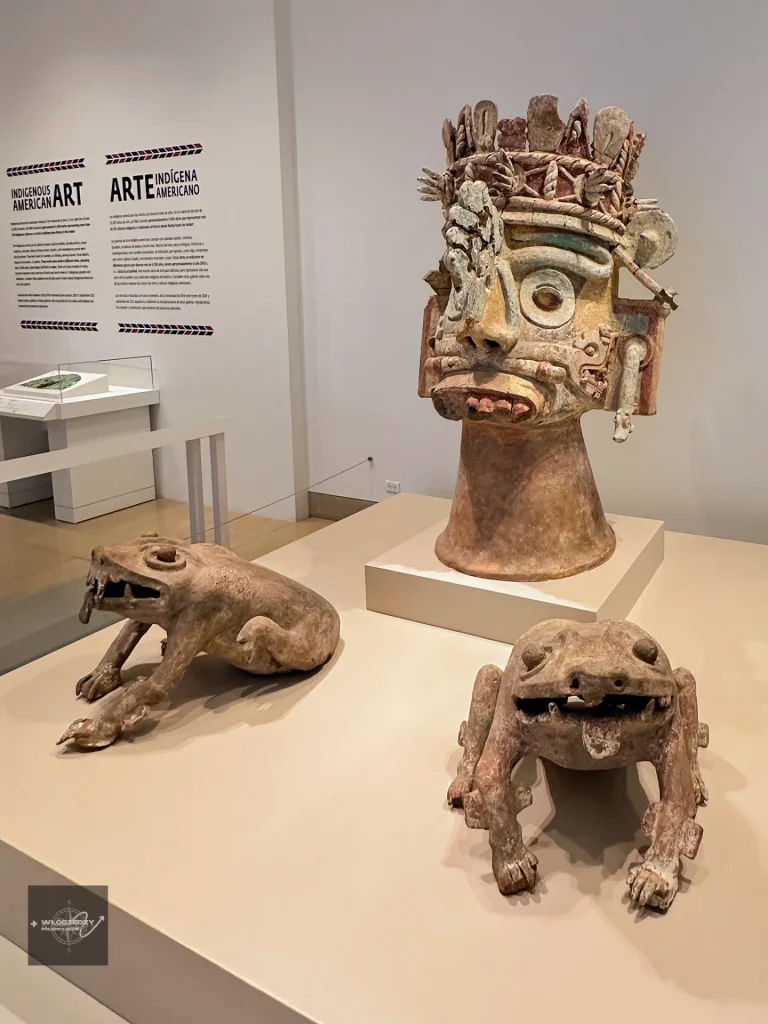
Moving forward in space but not necessarily in time, ceramic sculptures associated with the Aztec rain god Tlaloc and ritual frog imagery expand the theme.
In Mesoamerica, rain determined destiny.
Without seasonal storms, there was no maize. Without maize, there was no society.
The stylized eyes, powerful expressions, and animal symbolism were not decorative. They were theological infrastructure.
Humanity, Not Divinity—West Mexico (Colima)
Then the narrative shifts dramatically.
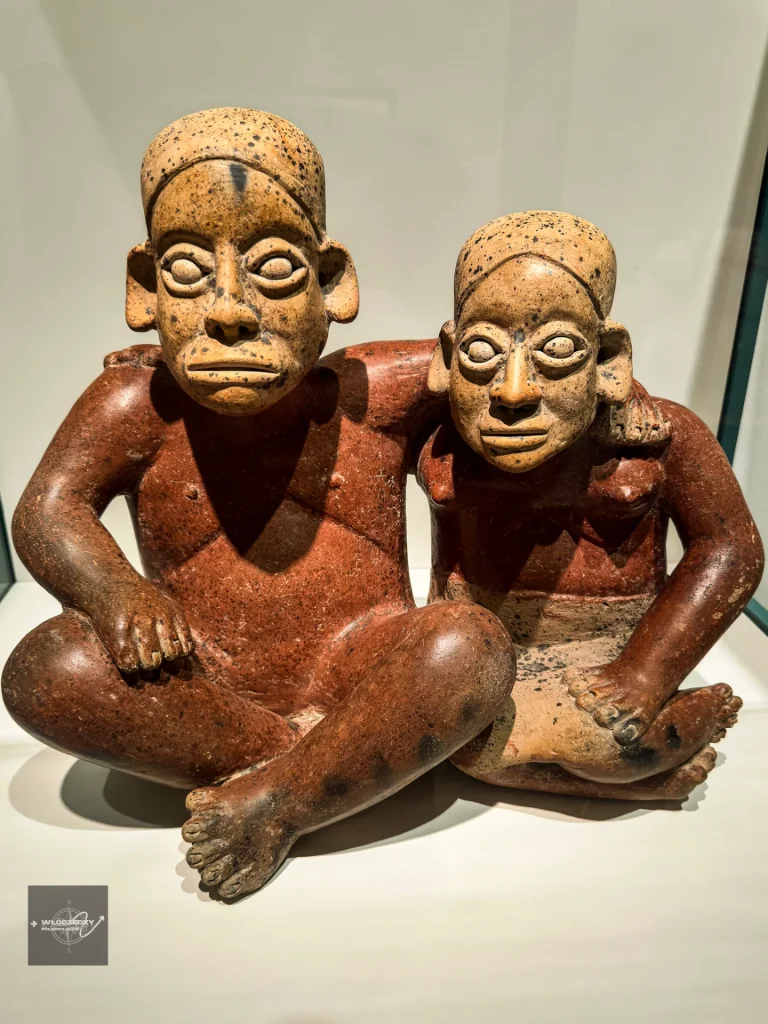
A ceramic pair from the Colima culture of western Mexico depicts two seated figures in an intimate pose. One arm rests gently around the other.
No cosmic gestures.
No mythic attributes.
Just closeness.
These figures were placed in shaft tombs, reflecting the belief that daily life, relationships, and emotional bonds continued beyond death.
It is one of the most unexpectedly modern moments inside the Dallas Museum of Art.
Memory Carved in Stone – China
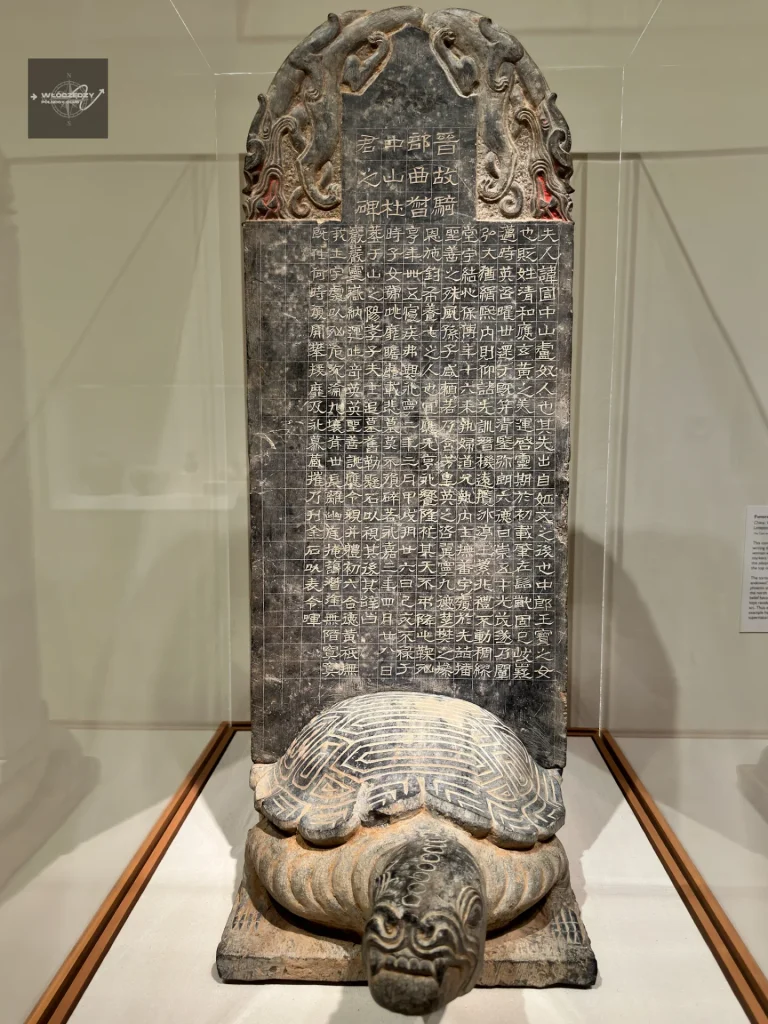
In the Asian galleries, a Chinese stone stele mounted on a mythological turtle (Bixi) introduces yet another approach to permanence.
The inscribed text records virtue, lineage, and achievement. The turtle symbolizes longevity and stability.
Rather than negotiating with gods, this monument speaks to continuity—family, order, and historical record.
Immortality, here, is structured and documented.
The Universe in Motion—Shiva Nataraja
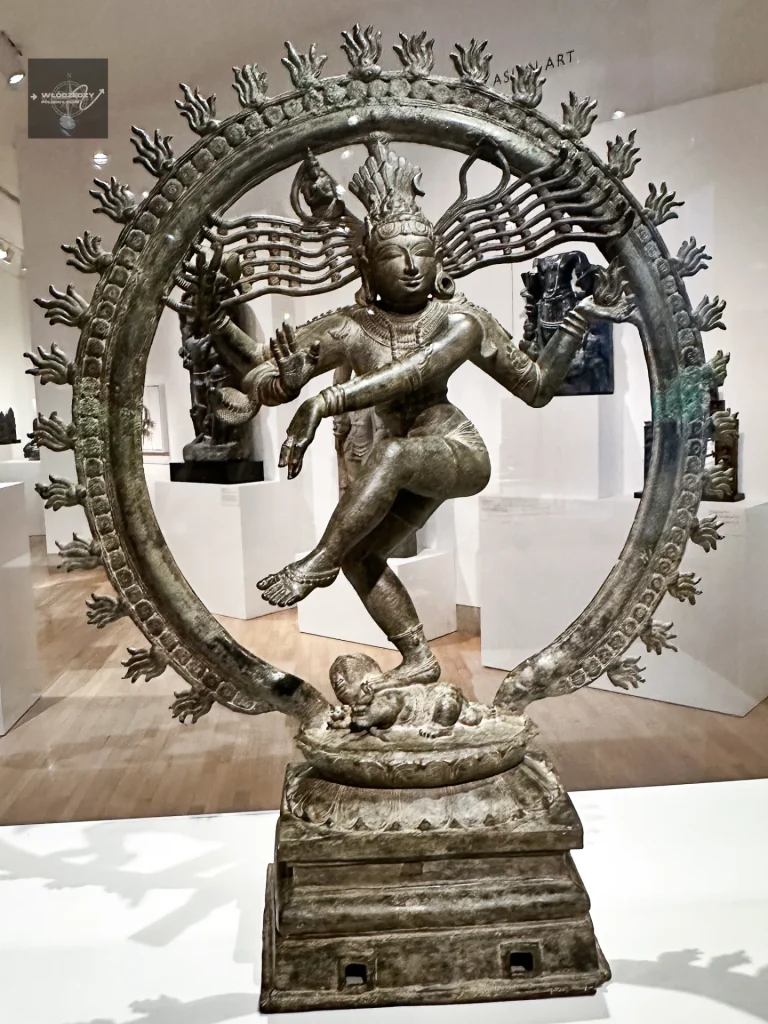
Finally, the journey culminates in a bronze of Shiva Nataraja from South India, likely created during the Chola dynasty.
Encircled by flames, Shiva dances the cosmos into being and out of existence.
One hand creates.
One hand destroys.
One hand reassures.
One foot crushes ignorance.
This is not a static deity. It is a philosophy cast in bronze.
The Dallas Museum of Art does something rare here: it allows visitors to move from burial masks to cosmic cycles within a single building.
Why Visit the Dallas Museum of Art?
Because DMA is not about isolated artifacts.
It is about recurring human questions:
- What happens after death?
- How do we survive nature?
- How do we remember?
- What is our place in the universe?
From the Andes to Mesoamerica, from China to India, the Dallas Museum of Art offers a global meditation in one afternoon.
If you are planning things to do in Dallas, DMA is not optional.
It is essential.