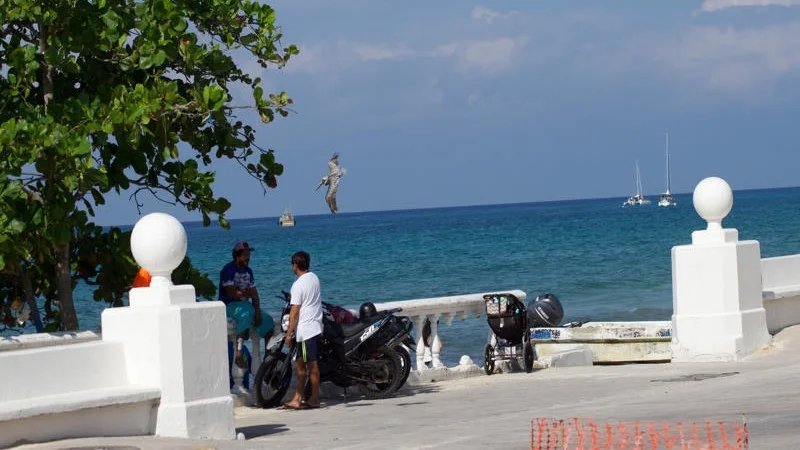
Cozumel Island Mexican Caribbean
Cozumel is an island that almost disappeared from the map twice – and now welcomes cruise ships the size of cities
Six Hours Between the Mayan Calendar and the Perfect Margarita
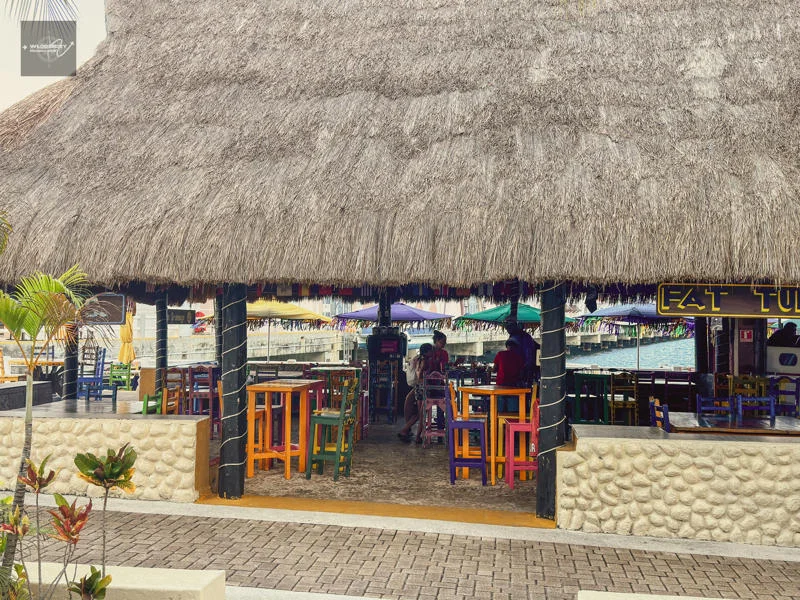
A bar in the harbor area on Cozumel Island
We docked around noon.
Six hours. That was all we had.
Not enough time for archaeological ruins.
Not enough time to dive the reef.
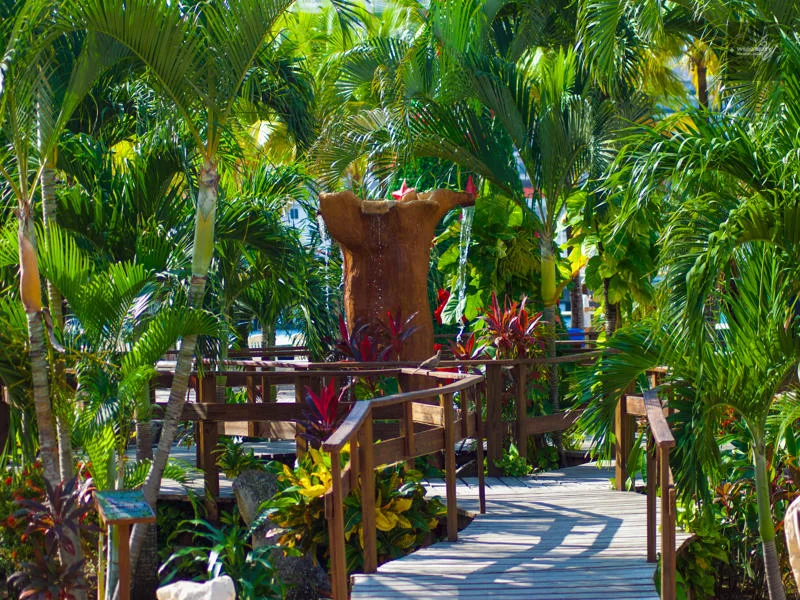
Duty-free recreation area
And that reef matters. Cozumel is part of the Mesoamerican Barrier Reef—the second largest reef system in the world. Divers come here from everywhere. If you plan a visit, give it a full day. At least.
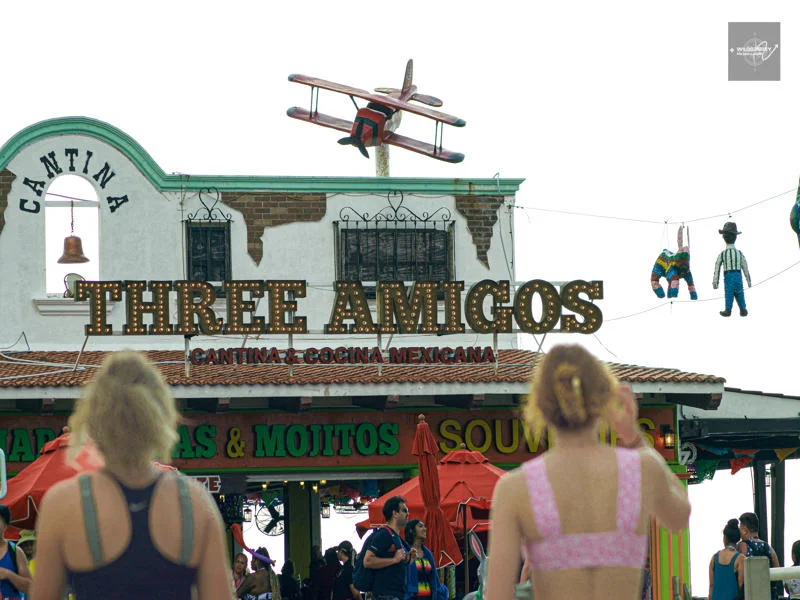
“Three Amigos” Bar in the commercial area of the port of San Miguel De Cozumel
It was December 26th.
30°C. Caribbean sun with no mercy.
The first impression? Jewelry. Endless jewelry stores in the duty-free port zone. Silver everywhere. Gold everywhere. Enough to make you think Mexico might secretly be the world capital of tourist jewelry.
But that’s only the surface.
San Miguel—White Walls and Slow Caribbean Rhythm
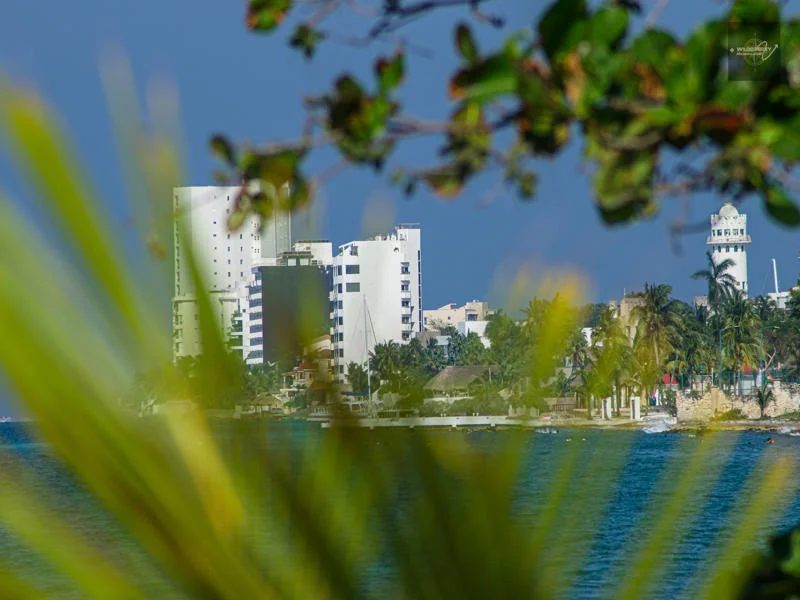
White, blue and yellow, the colors of Cozumel
San Miguel stretches along the Caribbean shoreline. Low buildings, palm trees, wide pedestrian promenades. White and soft yellow dominate the architecture, as if the town decided color was optional.
I heard about a “dispute” between islanders and mainland Mexico. Locals claim that only they have the right to call themselves the “Mexican Caribbean.” I smiled. A nation arguing over branding must be doing something right.
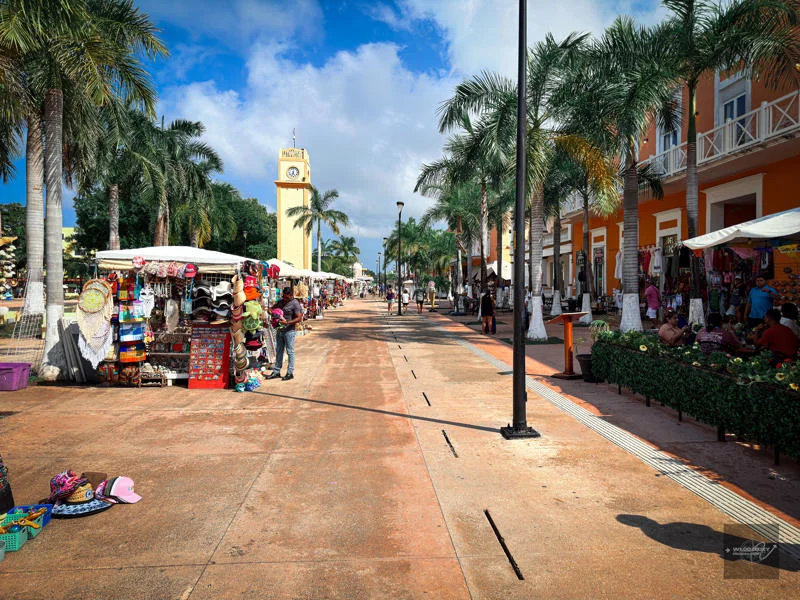
Benito Juarez Park
We wandered through the market stalls and bought a beautifully embroidered handmade bag. Everywhere you look: Mayan symbols, calendars, masks. History in souvenir format.
But real history waited inside the museum.
Museo de la Isla de Cozumel—The Quiet Moment
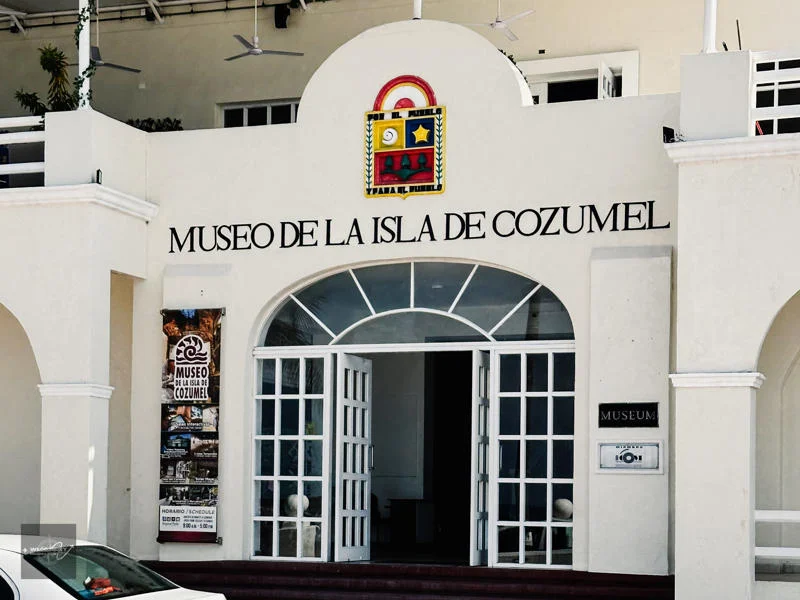
Entrance to the Museo del Cozumel
You step from blazing sunlight into dim exhibition halls.
The temperature drops. Your pulse slows.
A stone temple installation comes alive through projection. Glyphs move. Time becomes visible.
And suddenly you understand something differently.
The Maya were not a romantic myth. They were a sophisticated civilization.
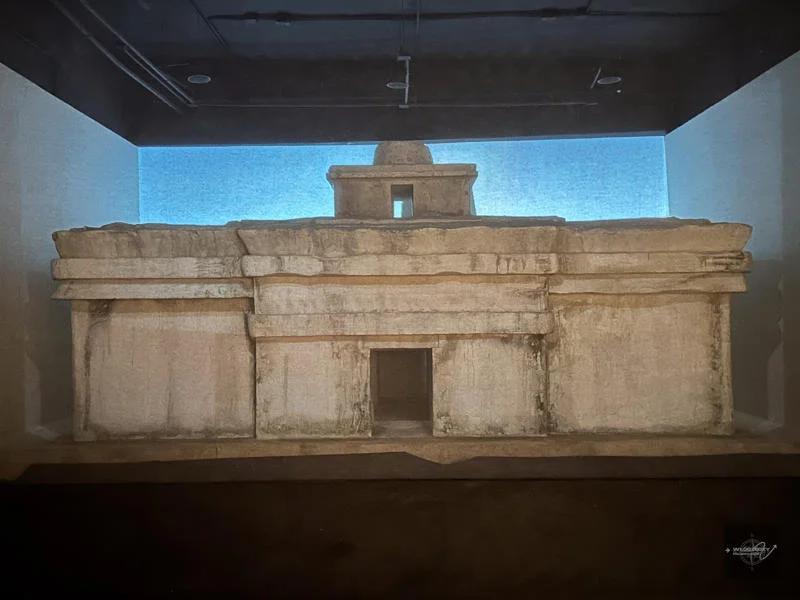
Scenography for a multimedia projection presenting the Mayan calendar
Between 60,000 and 100,000 people once lived on this island.
Pilgrims traveled here from the mainland.
Temples rose above the jungle.
Astronomy shaped religion. Mathematics shaped ritual.
Then the Spanish arrived.
1549—The Year of Silence
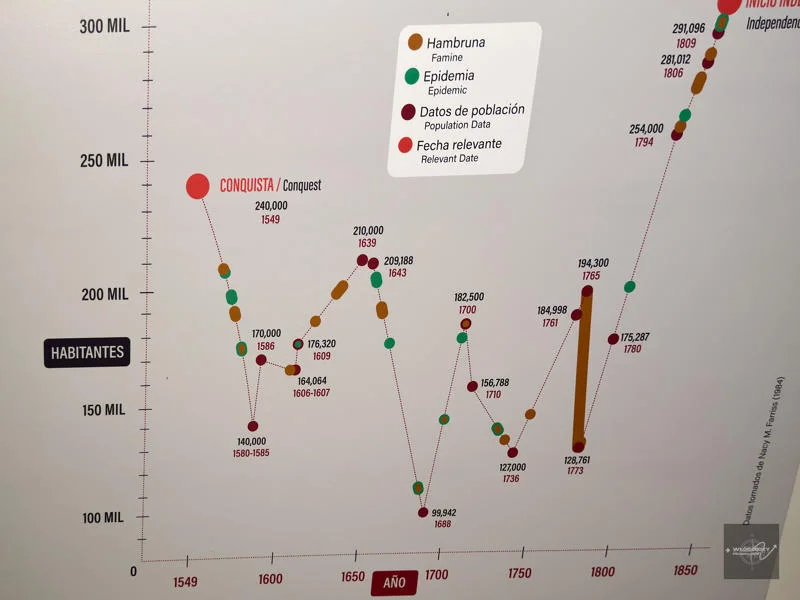
A graph showing the island’s population over the centuries
It wasn’t the sword.
It wasn’t the cannon.
It was smallpox.
The epidemic devastated the population. From tens of thousands, only a handful survived. The island was taken almost without resistance.
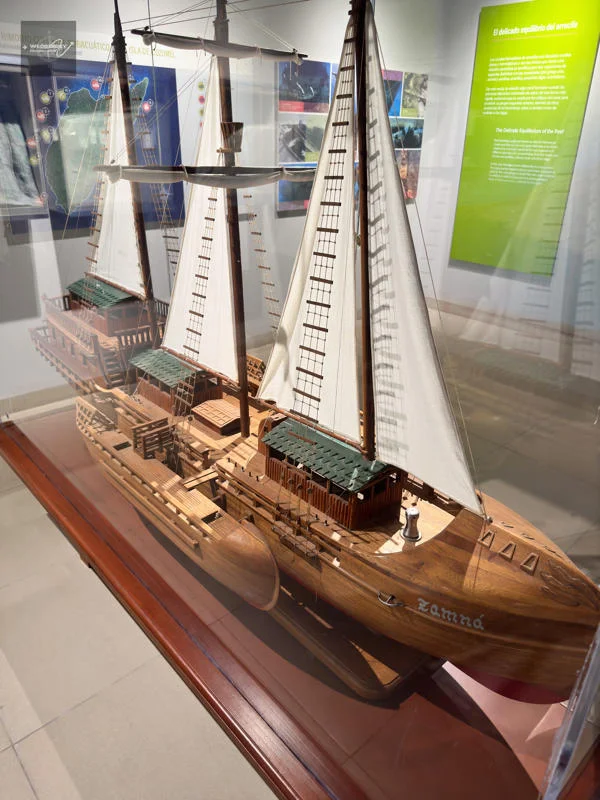
Model of a Spanish colonial vessel symbolizing trade routes and European expansion in the Caribbean.
Standing in front of the demographic chart in the museum, you don’t see numbers.
You see collapse.
Cozumel nearly emptied twice in its history.
Twice it had to begin again.
Limestone, Caves and the Underworld
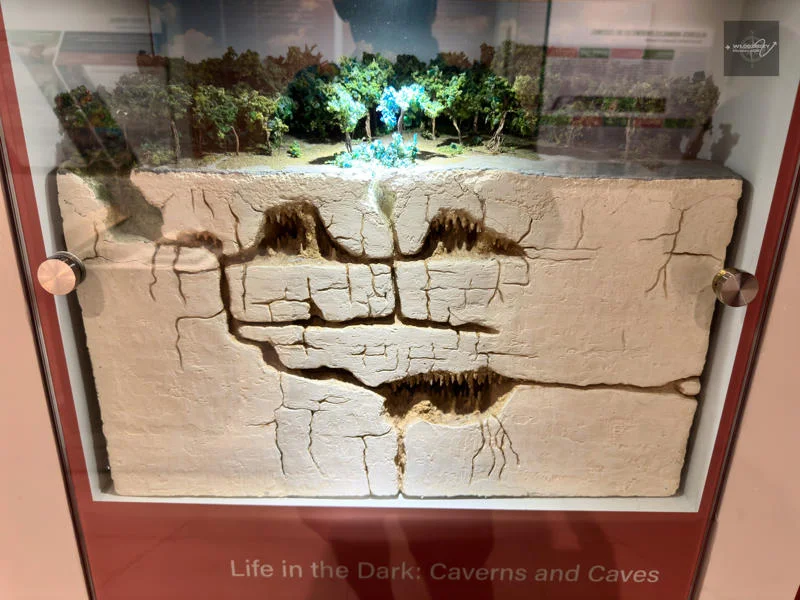
Geological cross-section of the island
Geologically, Cozumel is limestone.
Full of caves. Multi-level cavern systems. Underground corridors.
For the Maya, these were not geological curiosities.
They were portals to the underworld.
Landscape shaped belief.
Stone shaped cosmology.
Back to Reality
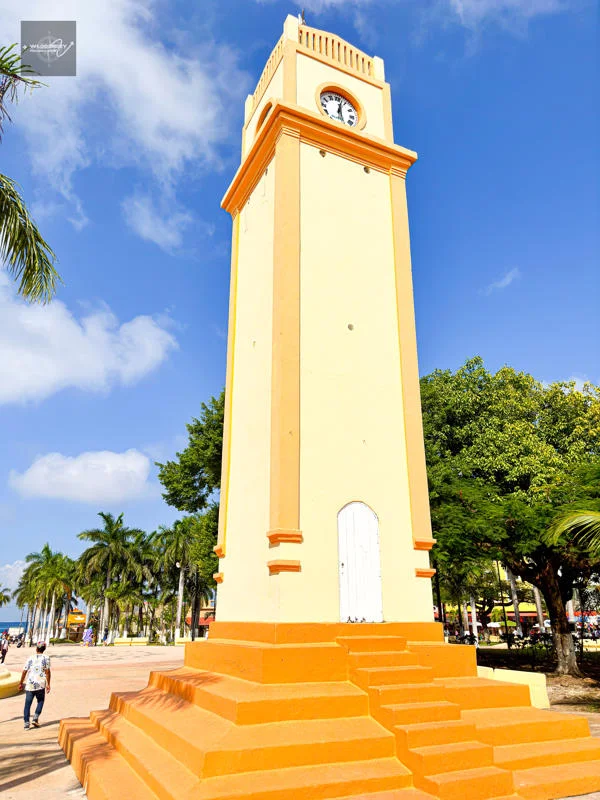
Clock tower Cozumel waterfront
Outside: cruise ships the size of small cities.
Markets. Tour groups. Modern tourism in full swing.
Cozumel thrives today because of it.
Before returning to the ship, we stopped at a small bar near the port. Not for food.
I wanted to try a real Mexican Margarita.
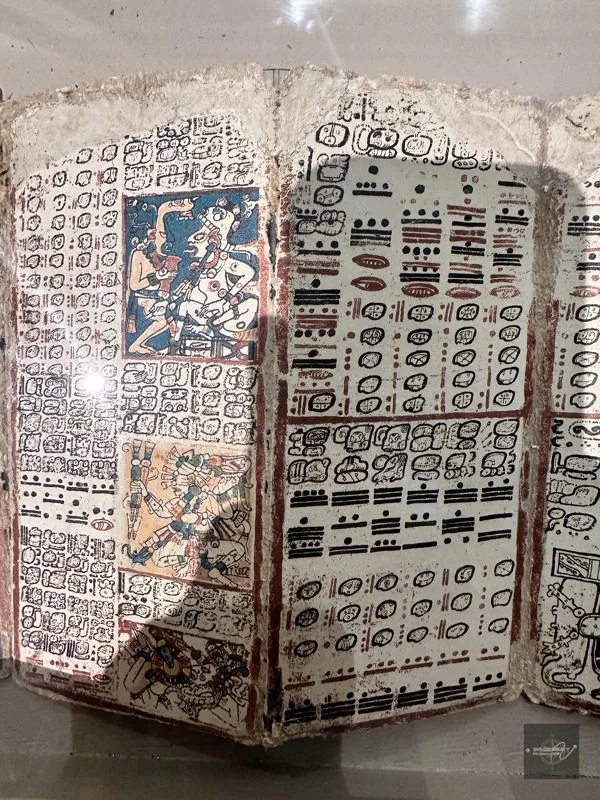
Written Mayan Law
I did.
And that was my mistake.
Because from that moment on, every Margarita on the cruise ship tasted like diluted nostalgia. The one in that little Mexican bar? Absolute perfection.
Maybe that’s Cozumel in a glass.
History is layered like limestone.
Tourism glittering on top.
And somewhere in between—something unexpectedly authentic.