Hidden Village of Galboly

Lorem ipsum dolor sit amet, consectetur adipiscing elit. Ut elit tellus, luctus nec ullamcorper mattis, pulvinar dapibus leo.Lorem ipsum dolor sit amet consectetur adipiscing elit dolor

Hidden Village of Galboly – the place that disappeared slowly

ou’re driving along the A2, one of the most scenic coastal roads in Northern Ireland. The sea is doing its thing, the wind is already judging your life choices… and suddenly – a gate.

You think: “Let’s just take a quick look.”

Yeah. Sure.

Thirty minutes later you’re standing in the ruins of an abandoned village, mentally planning how to live there without electricity.

Welcome to the Hidden Village of Galboly.

Welcome to the Hidden Village of Galboly.

📍 Where is Galboly?

Galboly sits above the famous Antrim Coast Road (A2), near Garron Point, between Carnlough and Glenariff.

Access is via a gate across private land, followed by a short but rocky uphill walk. Sometimes there’s a small honesty box – worth leaving a coin or two. You’re stepping into someone’s land, not a theme park.

Close
Get Directions
'; ';
Options hide options
Print Reset
Fetching directions...
Close
Find Nearby Share Location Get Directions
Hidden Village of Galboly, Antrim Coast

What will you find there?

Not just “a ruin”.

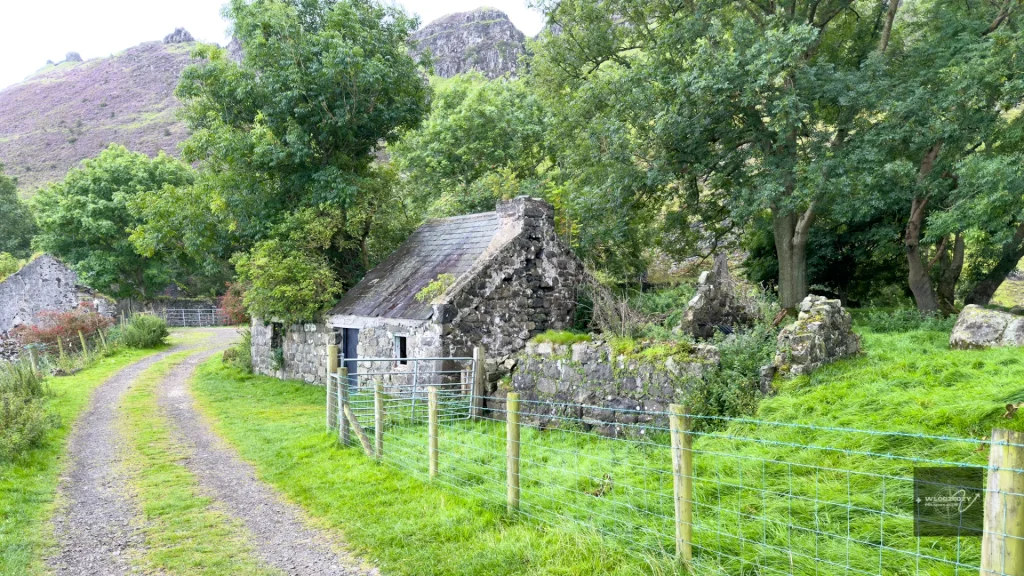
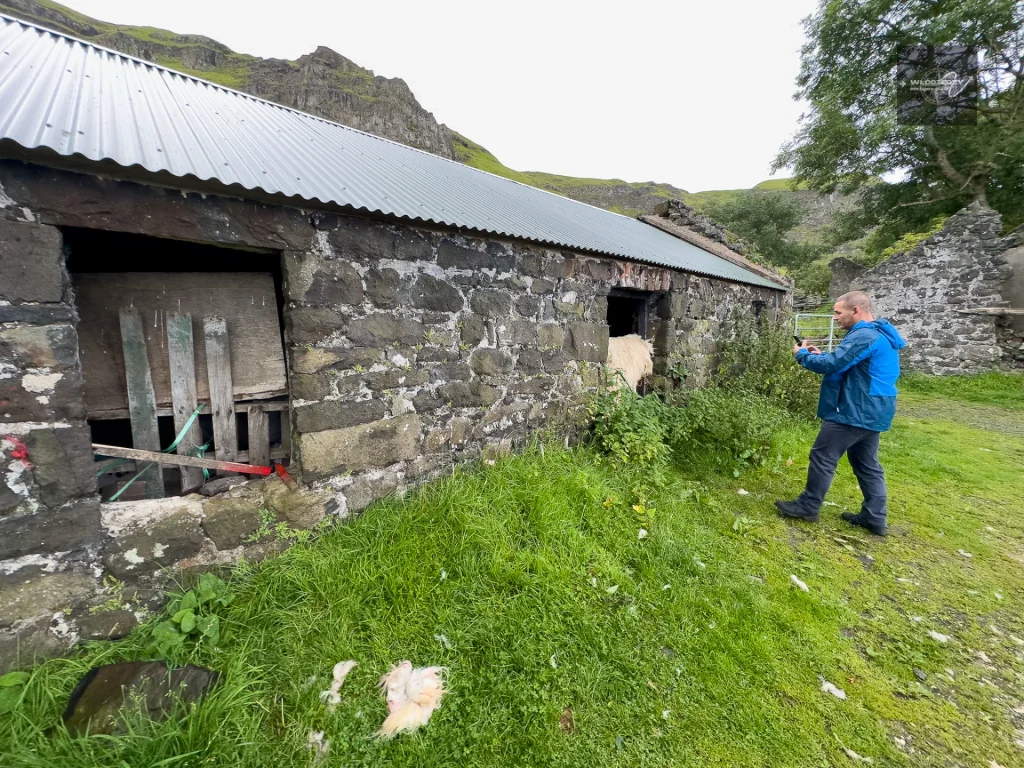
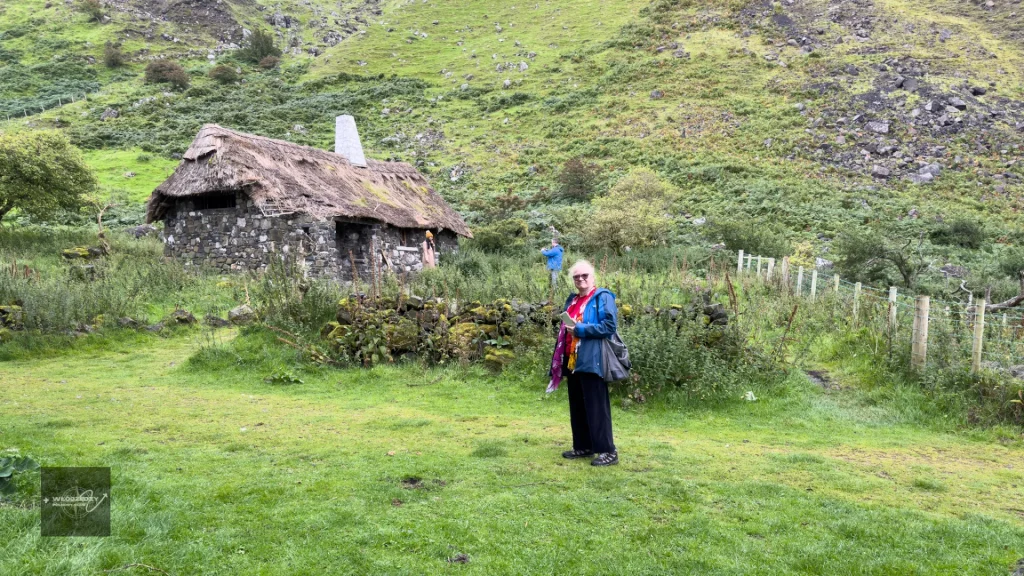
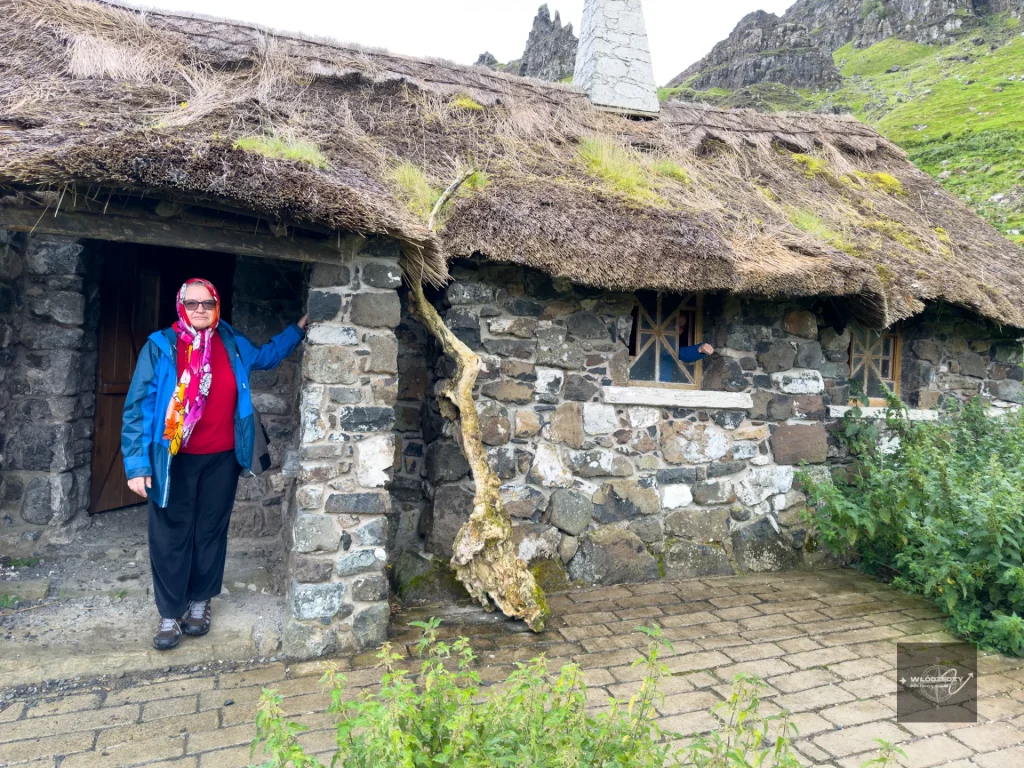
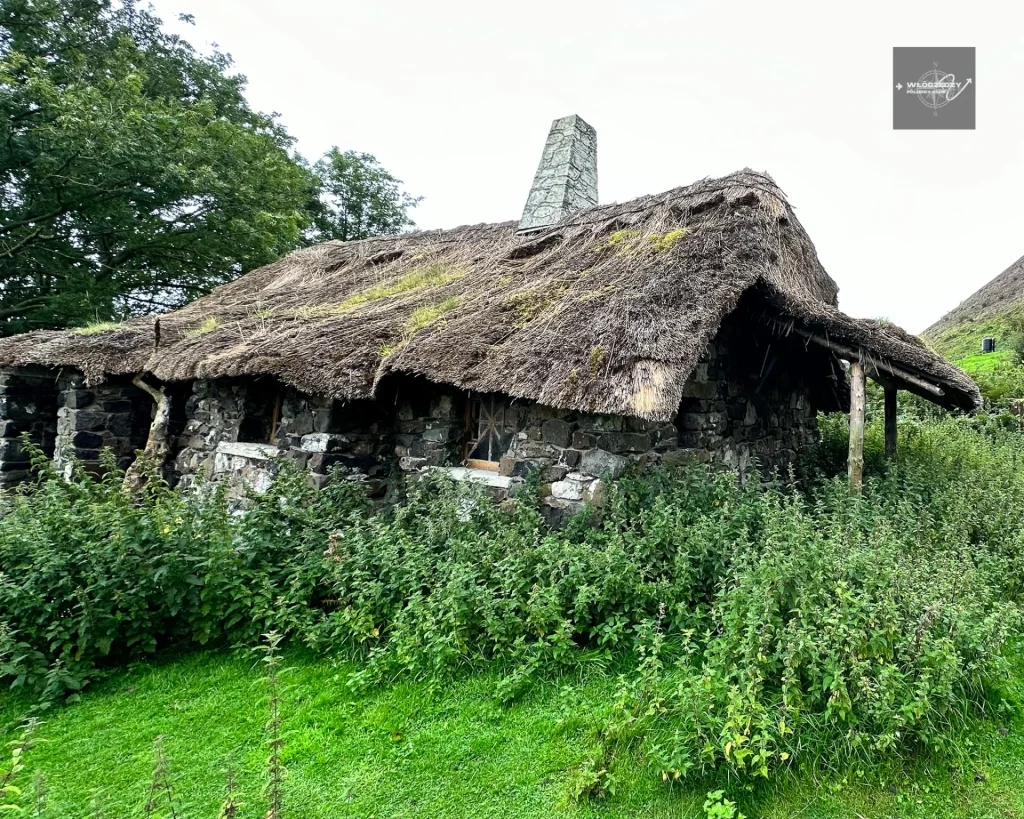
Galboly is a cluster of old stone cottages and farm buildings, spread across a natural amphitheatre carved into the hillside.

You’ll see:

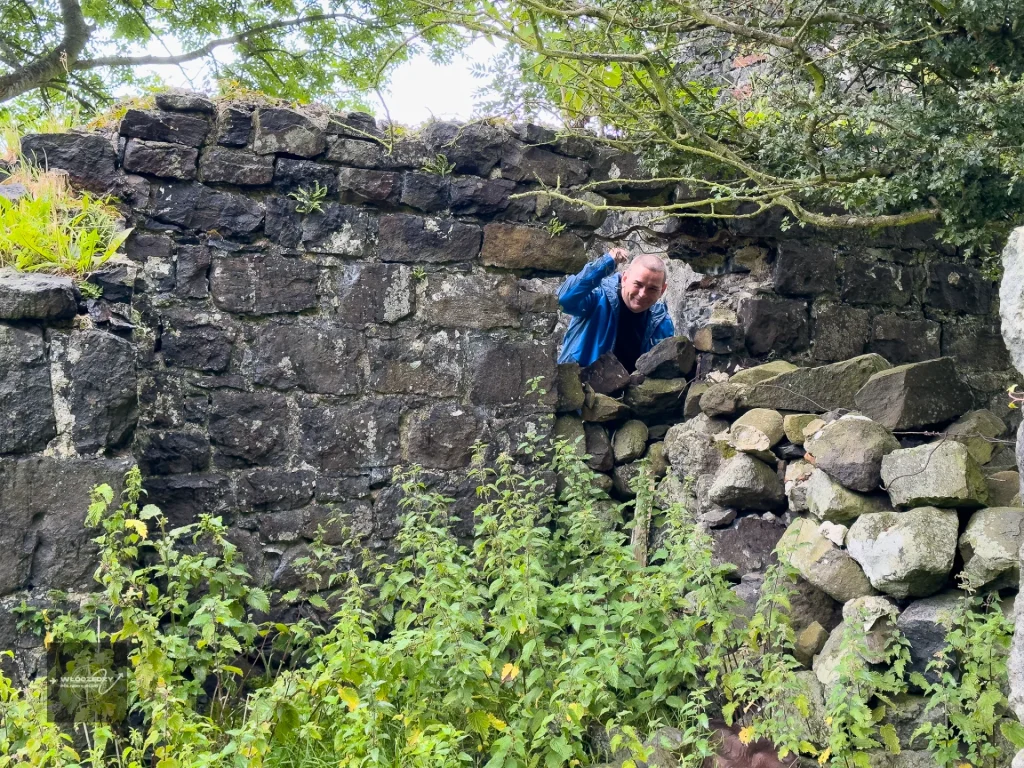
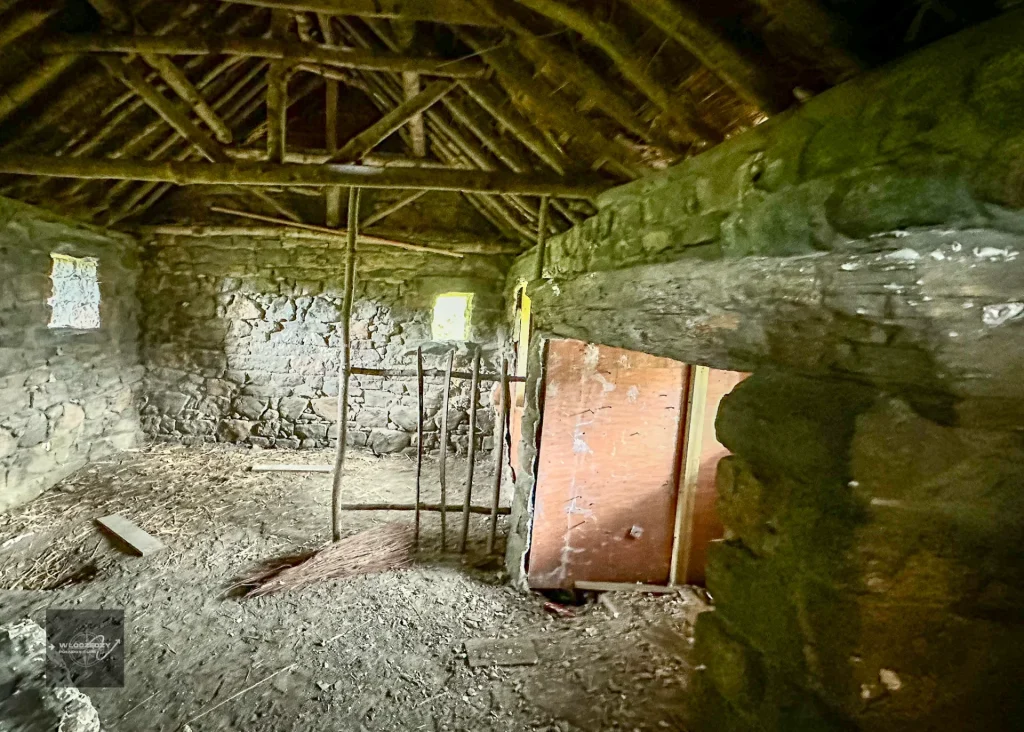
  • remains of homes and walls
  • outlines of farm structures
  • traces of a once-functioning rural community

It’s the kind of place where imagination fills in the missing pieces:
Who lived here?
Where did they cook?
What did a storm feel like up here?

Hidden Village of Galboly, Antrim Coast Road (A2)

A village that faded, not vanished

Galboly was a traditional Irish “clachan” – a small, rural settlement of scattered families living off the land.

At its peak, it had around 10 houses.

By the mid-20th century, the village began to decline. The reasons weren’t dramatic – just painfully human:

  • isolation
  • harsh living conditions
  • lack of modern infrastructure
  • economic changes pushing people elsewhere

By 1962, Robert Gibson is often cited as the last traditional resident farmer.

But here’s where it gets interesting.

Some accounts suggest that a hermit-like monk associated with a monastery in Portglenone lived here alone until 2013.

So Galboly didn’t “end” in one moment.

It simply… faded out.

Hidden Village of Galboly

The legend of the “robber’s village”

Local stories say Galboly was once known as a “robber’s village”.

Travellers passing along the old coastal routes allegedly lost more than just time – sometimes a few belongings too.

Is it true?
Hard to say.

But let’s be honest – every good place deserves a slightly suspicious backstory.

Hidden Village of Galboly

The trail above Galboly – yes, it’s real

And yes – you were right.

Behind the village, a path continues upward toward the ridge and formations known as The Pinnacles.

  • approx. 5–6 km loop
  • moderate difficulty
  • incredible coastal views

If the village is the starter, this trail is the main course.

Hidden Village of Galboly

Practical tips

  • wear proper footwear (loose stones, uneven terrain)
  • bring a windproof jacket
  • respect the site (no “souvenirs” from ruins)
  • remember: this is private land
A security guard at the exit to the trail above the village

💭 Why visit Galboly?

Because it feels real.

Because it shows how people lived before comfort became standard.

Because the views are worth every step.

And because for a moment, standing among those stone walls,
you realise that not every place needs to be loud to be unforgettable.

Discover with us:

Share
Vagabonds of the North
Privacy Overview

This website uses cookies so that we can provide you with the best user experience possible. Cookie information is stored in your browser and performs functions such as recognising you when you return to our website and helping our team to understand which sections of the website you find most interesting and useful.